Category: Work

  • How to Manage a Successful Career Pivot

    How to Manage a Successful Career Pivot

    I remember sitting in my old HR office, surrounded by the sterile hum of fluorescent lights, staring at a spreadsheet of “high-potential employees” who looked absolutely soul-crushed. The corporate playbook tells you that a career pivot should be a seamless, strategic realignment of your skill sets—a polished, LinkedIn-ready transition that sounds more like a software update than a life change. But let’s be honest: most of the advice out there treats career pivoting like a math problem to be solved rather than a messy, terrifying, and deeply human reorganization of your identity.

    I’m not here to sell you on a “growth mindset” seminar or a list of buzzwords that will make your resume look trendy but leave your spirit empty. Instead, I want to talk about how to move from one industry to another without losing your sense of self in the process. I’ll be sharing the unvarnished truth about what it actually takes to reinvent your professional life, focusing on how to leverage your existing wisdom while protecting the stability you’ve worked so hard to build. We’re going to look at this through the lens of human agency, not just market demand.

    Table of Contents

    Identifying Transferable Expertise Beyond Your Current Title

    Identifying Transferable Expertise Beyond Your Current Title

    When we get stuck in a specific role, we tend to view ourselves through the narrow lens of our job descriptions. If your title says “Account Manager,” you start to believe your only value is managing accounts. But that’s a trap. To move forward, you need to start identifying transferable expertise that exists beneath the surface of your daily tasks. I spent years in HR seeing people overlook their own brilliance because they couldn’t see past their current org chart. It’s not about what you are called; it’s about what you actually do to solve problems and navigate friction.

    Think about the invisible work: the way you mediate conflict between departments, the systems you built to streamline a messy workflow, or how you translate complex data for a non-technical audience. These aren’t just “tasks”—they are the core competencies that allow for changing industries mid-career without starting from zero. Instead of looking at a list of software you know, look at the logic behind how you use it. That is where your real leverage lies.

    The Truth About Changing Industries Mid Career

    The Truth About Changing Industries Mid Career.

    Let’s be honest: the romanticized version of changing industries mid-career usually involves a seamless transition and a sudden leap into passion. In reality, it’s often messy, intimidating, and involves a fair amount of imposter syndrome. When you’ve spent a decade or more building a reputation in one sector, the prospect of starting over feels less like an adventure and more like a risk to your stability. You aren’t just moving boxes on a spreadsheet; you are renegotiating your entire professional identity.

    The secret to surviving this shift isn’t about pretending you’re a novice; it’s about a strategic professional rebranding strategy. You have to stop viewing yourself through the narrow lens of your old job description and start seeing yourself as a collection of high-level capabilities. Instead of getting lost in the noise of what you don’t know, focus on a deliberate upskilling for new roles that bridges the gap between your past and your future. It’s not about erasing who you were, but about translating your value into a language a new industry can actually understand.

    Five Ways to Pivot Without Losing Your Mind (or Your Identity)

    • Audit your skills, not your job description. Stop thinking about what your boss called you and start thinking about what you actually did. If you managed a chaotic HR department, you weren’t just “administering policy”—you were navigating high-stakes conflict resolution and complex systems. That’s the real currency.
    • Build a bridge, don’t just jump. The most successful pivots aren’t blind leaps into the dark; they are calculated moves that leverage what you already know. Find the intersection where your old expertise meets your new interest. It’s much easier to explain a transition when there’s a logical thread connecting the two.
    • Treat your network like a human community, not a LinkedIn database. Don’t just spam people with “Can I pick your brain?” messages. Reach out to people in your target field for honest conversations about the friction points of their jobs. You want the reality of the work, not the polished version on their profile.
    • Prioritize “freedom ROI” over prestige. When you’re looking at a new path, don’t get blinded by a shiny new industry or a more impressive title. Ask yourself: Does this move actually give me more control over my time and my mental energy? If the new role just trades one kind of burnout for another, it’s not a pivot—it’s a lateral move in a different cage.
    • Accept the “beginner’s tax.” There is a certain ego hit that comes with being the person in the room who doesn’t know the latest jargon or the specific software everyone else uses. Lean into it. Being a student again is uncomfortable, but it’s the only way to ensure you’re actually growing instead of just repeating old patterns.

    Moving Beyond the Hype: What Actually Matters When You Pivot

    Stop looking for a “perfect” match and start looking for alignment; a successful pivot isn’t about finding a job that fits your old identity, but finding one that supports the life you actually want to lead.

    Your value isn’t tied to a specific industry jargon or a company name on your LinkedIn profile—it’s tied to the problems you know how to solve and the human systems you understand.

    Treat your career change like a slow restoration project, not a frantic tech upgrade; focus on building a stable foundation of new skills rather than rushing into the next shiny, high-noise industry.

    ## The Real Goal of the Pivot

    “A career pivot isn’t about chasing a more impressive title or a shinier industry; it’s about auditing your life to see which version of your work actually buys you the freedom to be human.”

    Yvette Marchetti

    The Bottom Line

    Strategic career pivoting: The Bottom Line.

    At the end of the day, pivoting isn’t about erasing who you’ve been to become someone new; it’s about a strategic reassembly. We’ve talked about looking past the rigid labels of your current job description and facing the reality that changing industries mid-career is often messy, unglamorous, and requires a thick skin. But if you can strip away the corporate jargon and identify the core competencies that actually drive value, you’ll find that your experience is far more versatile than a LinkedIn profile suggests. Don’t let the fear of starting over keep you anchored to a role that no longer serves your growth or your sanity.

    I know the anxiety that comes with this kind of shift—the feeling that you’re throwing away years of hard-won stability for a gamble. But I’ve learned through years of watching corporate structures shift and dissolve that true security doesn’t come from a specific company or title, it comes from your ability to adapt. Use this transition to reclaim your agency. Move toward a path that offers you more than just a paycheck, but more importantly, more freedom to live a life that actually feels like yours. The market will always change, but your sense of purpose is yours to protect.

    Frequently Asked Questions

    How do I explain a massive industry jump to a recruiter without looking like I’m just running away from my old job?

    Stop framing your move as an escape. When you tell a recruiter you’re “leaving” something, they hear burnout or instability. Instead, frame it as a pursuit. You aren’t running away from HR; you are running toward a specific challenge that your existing toolkit is uniquely built to solve. It’s about the “why” of the new industry, not the “why not” of the old one. Make it a strategic choice, not a flight response.

    Is it actually possible to maintain my current salary level when I'm essentially starting over in a new field?

    It’s the question that keeps most people up at night, isn’t it? The short answer is: yes, but rarely by following the traditional ladder. You aren’t actually starting from zero; you’re bringing a decade of institutional wisdom that a twenty-something lacks. The trick is to target “adjacent” roles where your high-level soft skills—strategy, crisis management, or people operations—are the premium. Don’t compete on technical entry-level tasks; compete on the value of your experience.

    How much of my identity am I supposed to let go of when my professional title has been my primary anchor for years?

    It’s a heavy question, and honestly, one I’ve wrestled with myself. When you’ve spent decades being “The Director” or “The Specialist,” losing that title feels like losing your North Star. But here’s the pragmatic truth: your title is just a label the market uses to categorize your labor. Don’t discard your identity; just decouple it from your payroll. You aren’t your job description—you are the skills, the grit, and the perspective that make the job possible.

  • Creating an Ergonomic Workspace for Long Term Health

    Creating an Ergonomic Workspace for Long Term Health

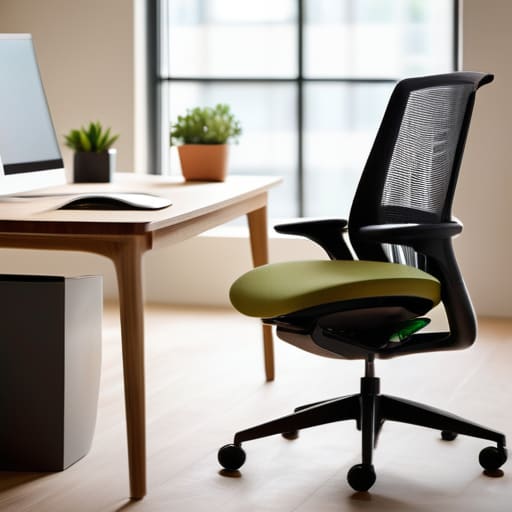
    I was sitting in my home office last Tuesday, nursing a dull ache in my lower back that felt far too much like a consequence of my old HR days, when I realized I was staring at a $1,200 “smart” chair that promised to fix everything. It’s the same old story: tech companies try to sell us our way out of a problem that is actually rooted in how we live. We’ve been conditioned to believe that a truly ergonomic workspace requires a suite of expensive, motorized gadgets that track our posture like a digital nanny. Honestly? Most of that high-tech gear is just expensive noise designed to make you feel like you’re failing if you aren’t sitting in a spaceship.

    I’m not here to sell you on the latest overpriced trend or a gadget that requires a software update just to tilt back. Instead, I want to talk about how we can actually reclaim our physical autonomy. I’m going to share some grounded, no-nonsense strategies to help you build a setup that respects your body’s natural rhythm. We’ll focus on the practical adjustments that actually matter, ensuring your environment serves your humanity rather than just feeding the productivity grind.

    Table of Contents

    Protecting Your Body the Truth About Preventing Repetitive Strain Injury

    Protecting Your Body the Truth About Preventing Repetitive Strain Injury

    We’ve been sold this idea that if we just buy the right gear, our bodies will magically stop aching. But after years in HR watching people burn out physically, I’ve realized that tools are useless if you don’t actually change your relationship with them. You can spend a fortune on high-end ergonomic chair features, but if you’re still hunched over like a question mark for eight hours straight, that chair is just an expensive piece of sculpture.

    True prevention isn’t about a single purchase; it’s about awareness. I often see people obsessing over the latest gadgets while completely ignoring the basics, like wrist positioning for typing. If your wrists are constantly cocked at an awkward angle, you’re inviting trouble, regardless of how much you paid for your keyboard.

    It’s also about the micro-adjustments. I’ve learned that paying attention to your monitor height for neck pain is far more effective than any quick-fix massage. We need to stop treating our bodies like machines that can be “optimized” with software and start treating them like the biological systems they are—systems that require movement, not just better padding.

    The Lumbar Support Importance Why Your Spine Deserves More Respect

    The Lumbar Support Importance Why Your Spine Deserves More Respect

    We’ve all been there: it’s 4:00 PM, you’ve been hunched over a laptop for six hours, and your lower back feels like it’s being compressed by a vice. Most people treat this as an inevitable tax for working a desk job, but it doesn’t have to be. The reality is that your spine has a natural, subtle curve that most modern office setups completely ignore. When we sit in chairs that lack proper structure, we inevitably slump, trading our posture for comfort until the damage is already done.

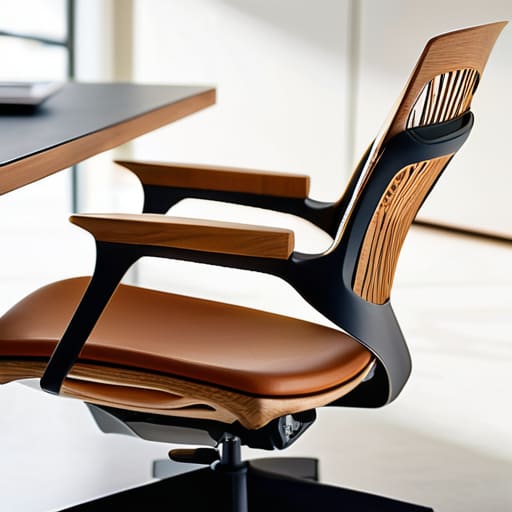
    Understanding lumbar support importance isn’t about buying the most expensive piece of furniture on the market; it’s about acknowledging that your body isn’t a flat surface. A good chair should act as an extension of your anatomy, filling that gap between your lower back and the seat. I’ve spent years watching people try to “fix” this with rolled-up towels or expensive lumbar pillows that slide around every ten minutes. You need actual ergonomic chair features—specifically adjustable depth and height—that allow you to maintain that natural curve without having to fight your furniture all day.

    Beyond the Gadgets: Five Ways to Actually Work Without Paying for It Later

    • Stop chasing the “perfect” setup and start listening to your body; if your neck aches after twenty minutes, no amount of expensive hardware is going to fix a fundamentally bad posture.
    • Treat your eyes like they’re your most valuable asset by following the 20-20-20 rule—every twenty minutes, look at something twenty feet away for twenty seconds—because staring at a backlit screen is a recipe for a headache you didn’t ask for.
    • Get your monitor at eye level so you aren’t perpetually hunched over like a gargoyle; if you’re using a laptop, grab a cheap riser and a separate keyboard instead of trying to make one device do two jobs.
    • Your feet belong on the floor, not dangling or tucked awkwardly under a chair; if your desk is too high and your feet can’t reach, get a footrest so your lower back isn’t doing all the heavy lifting.
    • Movement is the only real antidote to a sedentary life, so stop treating “sitting” as a permanent state of being and start building micro-breaks into your day to actually move your joints.

    Cutting Through the Ergonomic Noise

    Stop chasing the latest high-tech gadgetry; true ergonomics is about movement and listening to your body’s signals, not buying your way out of a bad habit.

    Prioritize the fundamentals—like proper spinal alignment and eye-level screen placement—before you invest in expensive, trend-driven office furniture that promises more than it delivers.

    Remember that no chair can fix a lifestyle of stillness; build movement into your workday to ensure your workspace supports your health rather than just masking your sedentary habits.

    ## Beyond the Gadgetry

    “We’ve become so obsessed with buying the ‘perfect’ ergonomic setup that we’ve forgotten the most important tool in the room: our own movement. A thousand-dollar chair isn’t a substitute for the simple, human necessity of actually getting up and stretching once in a while.”

    Yvette Marchetti

    Reclaiming Your Space

    Ergonomic workspace design for Reclaiming Your Space.

    At the end of the day, building an ergonomic workspace isn’t about buying every expensive gadget that hits the market or following the latest “biohacking” trend. It’s about the fundamentals we’ve discussed: understanding how to prevent repetitive strain, respecting your spine with proper lumbar support, and listening to the quiet signals your body sends before they turn into loud, painful problems. We have to move past the idea that productivity is a metric achieved through sheer endurance. Real efficiency comes when you stop fighting your own anatomy and start aligning your environment with your physical reality. Don’t let a high-tech setup become just another layer of friction; make sure it actually serves your biology.

    As we navigate this increasingly digital landscape, it is easy to forget that we are biological beings living in a high-speed, synthetic world. We shouldn’t let our workstations dictate our health, but rather, we should use our tools to protect our most valuable asset: ourselves. My hope is that you view your workspace not as a cockpit for the grind, but as a sanctuary that supports your longevity. Take a moment to step back, look at your setup, and ask if it’s helping you thrive or just helping you endure. True progress is when you can close your laptop at five o’clock and feel physically capable of enjoying the life you’ve worked so hard to build.

    Frequently Asked Questions

    Is it actually worth the investment to buy a high-end ergonomic chair, or can I just fix my current setup with a few cheap accessories?

    Look, I get the temptation to just buy a $30 lumbar pillow and call it a day. But here’s the reality: a high-end chair is an investment in your future self, not just a piece of furniture. Accessories are great band-aids for minor issues, but they can’t replicate the structural integrity of a well-engineered seat. If you spend eight hours a day at a desk, don’t cheap out on the one thing supporting your spine.

    How do I know if my discomfort is actually caused by my desk setup or if I'm just dealing with general age-related stiffness?

    It’s a fair question, and honestly, the line gets blurry as we get older. Here’s how I look at it: general stiffness usually feels like a dull, systemic ache that shows up when you wake up or after a long walk. Desk-related pain is more surgical. If that sharp twinge in your wrist or the ache in your neck flares up specifically after an hour of typing, it’s not just “getting old”—it’s your setup failing you.

    Can I really achieve a healthy workspace if I'm stuck working from a tiny kitchen table or a cramped corner of my bedroom?

    Look, I’ve been there. I once spent three months freelancing from a corner of my dining room, feeling like my spine was slowly turning into a question mark. You don’t need a dedicated home office to reclaim your health, but you do need intention. If you’re stuck with a kitchen chair, grab a firm pillow for lumbar support or a stack of books to raise your laptop. It’s about making small, tactical adjustments to fight the friction of a cramped space.

  • Supporting Mental Health Within a Professional Environment

    Supporting Mental Health Within a Professional Environment

    I was sitting in a glass-walled conference room during my final year in HR, watching a VP present a new “Mindfulness Suite” to a room full of exhausted, burnt-out middle managers. It was a glossy, expensive software rollout designed to track employee breathing patterns, as if a subscription to a meditation app could somehow fix a culture of chronic overwork and impossible deadlines. It felt insulting. We keep trying to solve the crisis of mental health at work by throwing digital Band-Aids at systemic wounds, pretending that individual resilience is the cure for a broken environment.

    I’m not here to sell you on another productivity hack or a fancy wellness platform that just adds more notifications to your day. Instead, I want to talk about the structural shifts that actually matter—the kind that give you back your agency and your time. We’re going to look past the corporate jargon to explore how we can reclaim our boundaries and build sustainable rhythms in an era of constant connectivity. This isn’t about optimizing your brain for more output; it’s about protecting your humanity in a world that’s constantly trying to automate it.

    Table of Contents

    Why Corporate Mental Health Initiatives Often Fail Us

    Why Corporate Mental Health Initiatives Often Fail Us

    Most corporate mental health initiatives feel less like actual support and more like a checkbox on an HR audit. We’ve all seen it: the company-wide email announcing a new meditation app subscription or a one-off webinar on “resilience” right after a round of layoffs. It’s performative. These programs often attempt to fix the individual’s reaction to a broken system rather than addressing the system itself. When we talk about improving employee well-being, we shouldn’t be asking people to breathe more deeply through their stress; we should be asking why the workload is making them breathless in the first place.

    The real issue is that these initiatives rarely touch the structural roots of the problem. You can offer all the yoga sessions you want, but they won’t serve as effective workplace burnout prevention if the underlying culture still rewards the “always-on” mentality. True change requires more than a digital toolkit; it requires a fundamental shift in how we value time and boundaries. Until leadership realizes that mental health isn’t a perk to be gifted, but a baseline requirement of a functional environment, these programs will continue to feel like nothing more than expensive band-aids on a gaping wound.

    Reducing Workplace Anxiety Through Human Connection

    Reducing Workplace Anxiety Through Human Connection.

    We’ve spent the last decade trying to solve psychological distress with software, but you can’t download empathy. I’ve seen it time and again in my consulting work: a company rolls out a meditation app subscription, yet the actual culture remains a pressure cooker of silent expectations and Slack notifications. If we are serious about reducing workplace anxiety, we have to stop looking at dashboards and start looking at each other. Real support doesn’t come from a push notification; it comes from a manager who notices your tone has shifted in a meeting and asks, “Are you okay?” without immediately pivoting back to a deadline.

    This is where the real work begins—moving beyond superficial perks and focusing on emotional intelligence in leadership. When leaders prioritize genuine, face-to-face (or even just voice-to-voice) check-ins, they build a foundation of psychological safety that no wellness seminar can replicate. It’s about creating space for the messy, unoptimized parts of being human. We don’t need more “resilience training”; we need a culture where people feel seen enough to admit when they’re struggling, before they hit a wall.

    Practical Boundaries for the Modern Professional

    • Stop treating your notification center like a high-priority inbox; if it isn’t an actual emergency, it can wait until you’ve finished your deep work or, better yet, until tomorrow morning.
    • Reclaim your lunch hour as a sacred space for something non-digital, whether that’s a walk around the block or just sitting in silence without a screen hovering six inches from your face.
    • Learn to say “not right now” without the immediate urge to apologize; protecting your bandwidth isn’t being difficult, it’s being sustainable.
    • Audit your digital tools to see which ones actually serve your workflow and which ones are just adding cognitive clutter that leaves you feeling frazzled by 3:00 PM.
    • Build “analog buffers” into your day, like using a physical notebook for quick thoughts, to give your brain a much-needed break from the constant blue light and rapid-fire switching of digital multitasking.

    Moving Beyond the Surface-Level Fix

    Stop looking for a “tech fix” for human problems; a meditation app won’t solve a toxic workload or a culture of constant availability.

    True mental wellness requires structural change, like respecting boundaries and actual downtime, rather than just offering more wellness seminars.

    We need to prioritize psychological safety over performative empathy, ensuring people can actually speak up without fear of it affecting their career trajectory.

    The Myth of the Productivity Band-Aid

    “We need to stop treating burnout like a personal failing that can be fixed with a meditation app or a single ‘wellness Wednesday’ seminar; real mental health at work isn’t about teaching people how to endure toxic systems, it’s about building systems that don’t require us to lose ourselves just to keep up.”

    Yvette Marchetti

    Moving Beyond the Band-Aid

    Moving Beyond the Band-Aid for mental health.

    At the end of the day, we have to stop treating mental health like a software patch that can be installed to fix a broken system. We’ve seen that surface-level perks—the meditation apps, the mandatory “wellness Wednesdays,” and the empty corporate platitudes—do nothing to address the underlying rot of burnout and isolation. Real change isn’t found in a subscription to a breathing app; it’s found in reclaiming our time and dismantling the culture of constant availability. If we want to actually support people, we have to prioritize meaningful structural shifts over performative gestures that only serve to polish a toxic status quo.

    As we navigate this increasingly digital and demanding landscape, I hope we choose to fight for a version of work that respects our boundaries rather than one that exploits our flexibility. Technology should be a tool that serves us, not a tether that keeps us perpetually “on.” Let’s stop asking how much more we can squeeze out of ourselves and start asking how we can build environments that allow us to actually thrive. True progress isn’t about how much we can optimize; it’s about preserving the humanity that makes the work worth doing in the first place.

    Frequently Asked Questions

    How can I push for real structural changes in my company without making myself a target for being "difficult"?

    The trick is to frame your concerns as business logic rather than personal grievances. If you walk into a meeting complaining about burnout, they see a “problem employee.” If you walk in discussing how current workflows are driving attrition and tanking productivity, they see a consultant. Don’t just point out the cracks; bring a blueprint for the fix. Use data, tie it to the bottom line, and always position yourself as someone trying to protect the company’s most valuable asset: its people.

    Is there a way to set boundaries with digital tools and constant connectivity without appearing uncommitted to my role?

    It’s the classic modern dilemma: how to unplug without looking like you’ve checked out. My advice? Stop treating “availability” as a synonym for “commitment.” Start by setting explicit expectations. Instead of just disappearing, tell your team, “I’m diving into deep work from 2 to 4, so I’ll be offline then.” It’s not about being less dedicated; it’s about being more intentional. Boundaries aren’t a lack of interest—they’re a strategy for staying effective.

    How do we distinguish between a toxic work culture and the natural stress that comes with a high-pressure career?

    It’s a fine line, but here’s how I see it: natural stress usually has a beginning, a middle, and an end—it’s tied to a deadline or a specific project. It’s exhausting, but it’s productive. Toxic culture, however, is a constant, low-grade fever. If the stress isn’t tied to the work itself, but rather to the fear of speaking up, the gaslighting, or the unpredictable moods of leadership, that’s not “high pressure.” That’s just a broken system.

  • The Role of Automation in Streamlining Workplace Processes

    The Role of Automation in Streamlining Workplace Processes

    I was sitting at my kitchen table last Tuesday, sanding down the legs of a 1962 teak sideboard, when a LinkedIn notification popped up about the “inevitable revolution” of workplace automation. It’s the same tired, shiny script I used to hear in HR boardrooms a decade ago: the idea that if we just layer enough software over our processes, we’ll suddenly find some magical state of perfection. But let’s be honest—most of the time, these expensive “solutions” just end up creating a new kind of busywork, forcing us to manage the tools rather than the actual tasks. We’re being sold a dream of efficiency that often feels more like being tethered to a faster, more demanding treadmill.

    I’m not here to sell you on the latest Silicon Valley fever dream or tell you to fear the robots. Instead, I want to look at this through a lens of actual utility. In this piece, I’m going to cut through the marketing noise and share what I’ve learned about implementing technology that actually serves us. We’ll explore how to use these tools to reclaim our time and focus on the human elements of our jobs, rather than letting the software dictate our worth.

    Table of Contents

    Beyond the Hype of Artificial Intelligence in the Office

    Beyond the Hype of Artificial Intelligence in the Office.

    We’ve all seen the glossy brochures promising a utopia where software does the heavy lifting while we sip lattes. But after years in HR, I know that the reality of artificial intelligence in the office is rarely that cinematic. Most of the time, it’s less about a sudden revolution and more about the messy, incremental process of digital transformation in business. It’s about figuring out which parts of our day actually require a human brain and which parts are just draining our mental battery.

    The real danger isn’t that robots will take our desks; it’s that we’ll use these tools to set a pace that no human can actually maintain. When we talk about automating repetitive tasks, the goal shouldn’t be to cram more work into every hour of the day. If we aren’t careful, we’ll just end up using our newfound efficiency to fuel a never-ending treadmill of “urgent” emails. We need to ensure these tools are actually designed for human-machine collaboration that prioritizes our well-being, rather than just turning us into high-speed processors for a system that never sleeps.

    Automating Repetitive Tasks Without Losing Our Creative Spark

    Automating Repetitive Tasks Without Losing Our Creative Spark

    I’ve spent enough time in HR to know that when we talk about automating repetitive tasks, the conversation usually drifts toward speed and volume. But there’s a hidden cost to that velocity. If we spend our entire day simply managing the tools meant to help us, we aren’t actually working; we’re just babysitting software. The real danger isn’t that a machine will take our jobs, but that we’ll spend our most productive hours performing tasks that require zero soul, effectively training ourselves to act like the very algorithms we’re implementing.

    The goal of any true workflow optimization strategies shouldn’t be to squeeze more output out of a person, but to clear the mental clutter that prevents deep thinking. I want my tools to handle the scheduling drudgery and the data entry so I can actually focus on the nuance of a project or the complexity of a human problem. We have to be intentional about this transition. If we aren’t careful, we’ll find ourselves in a cycle of constant digital upkeep, losing that essential creative friction that makes our work actually meaningful.

    How to Automate Without Losing Your Grip on Reality

    • Audit your tasks for “soul-sucking” repetition, not just volume. Don’t automate a process just because it’s fast; automate it because it’s draining the mental energy you need for actual, meaningful work.
    • Keep a human in the loop for the messy stuff. Automation is great for data entry, but it’s terrible at nuance, empathy, and reading between the lines—areas where your intuition is your greatest asset.
    • Prioritize tools that offer flexibility over rigid ecosystems. I’ve seen too many companies get locked into “all-in-one” software that actually limits how they work; look for tools that play well with others.
    • Test the friction before you commit. Before rolling out a new workflow to the whole team, try it yourself for a week. If the tool feels like it’s adding more “noise” and administrative overhead than it’s removing, it’s not a solution.
    • Measure success by reclaimed time, not just speed. If an automated process saves you ten minutes but requires twenty minutes of troubleshooting every time it glitches, you haven’t gained freedom—you’ve just traded one chore for a more frustrating one.

    The Human Bottom Line

    Automation should be judged by the time it returns to us, not just the speed at which it completes a task; if a tool saves an hour but creates two hours of “digital maintenance,” it’s a failure.

    We must guard the “messy” parts of our jobs—the intuition, the empathy, and the spontaneous problem-solving—because those are the very things that prevent us from becoming mere extensions of the software we use.

    Implementation is a cultural shift, not just a technical one, meaning leaders need to prioritize transparency and psychological safety so employees see tech as a partner rather than a replacement.

    The Efficiency Trap

    We have to stop measuring the success of automation by how many hours we shave off a task, and start measuring it by whether those reclaimed hours actually allow us to think, breathe, and do the work that a machine never could.

    Yvette Marchetti

    Finding the Balance in a Digital Age

    Finding the Balance in a Digital Age.

    At the end of the day, workplace automation shouldn’t be treated as an inevitable force of nature that we just have to endure. We’ve looked at how AI can be more than just a buzzword and how we can offload the soul-crushing, repetitive tasks without sacrificing the very thing that makes our work meaningful: our intuition. The goal isn’t to build a perfectly frictionless office where no human intervention is required; that sounds more like a factory floor than a place of innovation. Instead, we need to be intentional about choosing the tools that actually clear our schedules, rather than just adding more digital noise to an already crowded workday.

    As we move forward, I hope we stop asking how much we can automate and start asking how much more we can actually live once the busywork is gone. Technology is at its best when it acts as a quiet scaffolding for our ideas, not a replacement for our judgment. Let’s make sure we aren’t just optimizing ourselves into more efficient machines, but rather using these advancements to reclaim our time, our focus, and our humanity. Real progress isn’t about how fast the software runs; it’s about how much freedom we have to do the work that truly matters.

    Frequently Asked Questions

    How do we prevent automation from becoming a way for companies to just squeeze more output out of us instead of actually giving us more freedom?

    It comes down to how we define “productivity.” If a company uses automation to shave ten minutes off a task only to immediately fill that gap with two more tasks, they haven’t innovated; they’ve just tightened the leash. We have to push for “human-centric metrics.” We need to demand that efficiency gains are reinvested into our time—meaning more deep work, more breathing room, or more autonomy—rather than just being used to fuel an endless treadmill of output.

    What happens to the "human element" of mentorship and office culture when our most frequent interactions become mediated by automated systems?

    This is where the real friction starts. When we swap spontaneous coffee chats for automated scheduling and Slack bots, we lose the “connective tissue” of an office. Mentorship isn’t just about transferring data; it’s about reading the room, noticing a colleague’s hesitation, and offering quiet encouragement. If we let algorithms mediate every interaction, we risk turning professional growth into a series of transactional check-ins, stripping away the empathy that actually builds culture.

    For those of us who aren't tech-native, how do we realistically upskill without feeling like we're constantly racing against an algorithm?

    Look, I get it. When you didn’t grow up with a tablet in your hand, the pace of change feels less like progress and more like a treadmill set to a sprint. Don’t try to learn everything at once; you’ll just burn out. Instead, pick one tool that actually solves a friction point in your day. Focus on understanding the logic behind the tech rather than memorizing every update. Aim for competence, not mastery.

  • How to Overcome Meeting Fatigue in a Remote Environment

    How to Overcome Meeting Fatigue in a Remote Environment

    I was sitting at my kitchen table last Tuesday, staring at a half-restored Eames chair and a lukewarm cup of coffee, when I realized I couldn’t remember the last time I actually produced something meaningful. My digital calendar was a jagged landscape of back-to-back video calls, a relentless cycle of “quick syncs” that felt more like psychological warfare than collaboration. We’ve been sold this lie that constant connectivity equals productivity, but all I felt was the crushing weight of meeting fatigue draining my ability to actually think. It’s not just being tired; it’s the slow, systemic erosion of our capacity to do the work we were actually hired to do.

    I’m not here to pitch you some expensive “mindfulness app” or a complex new project management software that just adds more notifications to your life. Instead, I want to look at the human cost of our current digital habits. I’m going to share the pragmatic, no-nonsense strategies I’ve gathered from years in HR and my own freelance chaos to help you reclaim your focus. We’re going to talk about setting boundaries that actually stick and learning how to prioritize real work over the performative noise of the endless Zoom call.

    Table of Contents

    Recognizing the Quiet Signs of Remote Work Burnout Symptoms

    Recognizing the Quiet Signs of Remote Work Burnout Symptoms.

    Burnout doesn’t always arrive with a bang or a dramatic breakdown; more often, it creeps in through the subtle erosion of your focus. You might notice that your ability to process complex information is slipping, or that the mere sound of a Slack notification triggers a micro-dose of anxiety. This heightened cognitive load in digital communication is a quiet thief. It’s that heavy, foggy feeling at 3:00 PM where you’re staring at a spreadsheet but nothing is actually sinking in.

    I’ve seen this most clearly in my consulting work: people aren’t just tired; they are emotionally depleted by the constant performance of being “on.” You start finding excuses to keep your camera off, not because you’re unprofessional, but because the effort of maintaining a “composed” face on screen is becoming unsustainable. Recognizing these remote work burnout symptoms early—like the sudden urge to retreat into total silence or the feeling that your home no longer feels like a sanctuary—is the only way to prevent a total system crash. It’s about noticing when the tools meant to connect us start feeling like weights.

    The Heavy Weight of Cognitive Load in Digital Communication

    The Heavy Weight of Cognitive Load in Digital Communication.

    It isn’t just the hours spent staring at a lens; it’s the mental gymnastics required to process everything at once. When we sit in a physical room, our brains use subtle cues—a shift in posture, a slight nod, the ambient noise of the office—to navigate a conversation. In the digital realm, those cues are fractured. We are forced to decode facial expressions through pixelated lag while simultaneously monitoring our own video feed to ensure we look “engaged.” This constant self-monitoring creates a massive cognitive load in digital communication that our ancestors never had to contend with.

    We aren’t just communicating; we are performing. Every time a notification pings or a colleague interrupts a screen share, our focus is splintered. This mental fragmentation is a primary driver behind reducing screen time exhaustion, because our brains are working twice as hard to bridge the gap between the screen and the person on the other side. We are essentially running a high-intensity background program in our minds all day long, and eventually, the system is going to crash.

    Reclaiming Your Time: Five Ways to Break the Meeting Loop

    • Audit your calendar with a ruthless eye. Before you hit ‘accept’ on that invite, ask yourself if your physical presence is actually required or if a well-structured email would suffice. If there’s no clear agenda, treat it as a non-essential.
    • Implement “buffer zones” by default. I’ve started blocking fifteen minutes between calls to actually breathe, stretch, or grab a coffee. We weren’t built to transition from a high-stakes budget review to a creative brainstorm in zero seconds.
    • Demand a “camera-optional” culture. The performative aspect of staring at a grid of faces is exhausting. Sometimes, the best way to actually listen is to turn the video off and just focus on the voices.
    • Move toward asynchronous updates. Not every status check needs to be a live event. Use shared docs or short video clips so people can digest information on their own terms, rather than forcing everyone into the same digital room at the same time.
    • Set a “hard stop” ritual. When the meeting ends, close the laptop. Don’t let the digital momentum bleed into your lunch or your evening. You need a physical boundary to signal to your brain that the performance is over.

    Reclaiming Your Mental Space

    Stop treating your calendar like a game of Tetris; if a meeting doesn’t have a clear purpose and a hard end time, it’s just noise stealing your capacity to actually do the work you were hired for.

    Recognize that “presence” isn’t measured by how quickly you respond to a Slack notification, but by the quality of your focused, uninterrupted thought.

    Build intentional friction back into your day—use physical tools like my paper planner to create boundaries that digital notifications are constantly trying to tear down.

    The High Cost of Constant Connectivity

    “We’ve traded the focused depth of real work for a relentless stream of digital check-ins, forgetting that a calendar full of meetings isn’t a sign of productivity—it’s often just a sign that we’ve lost control of our own time.”

    Yvette Marchetti

    Reclaiming the Space Between the Pings

    Reclaiming the Space Between the Pings.

    At the end of the day, fighting meeting fatigue isn’t about finding a better scheduling app or mastering a new productivity hack; it’s about recognizing that our mental bandwidth is a finite resource. We’ve spent the last few years treating our digital presence as an endless extension of ourselves, ignoring the cognitive heavy lifting required to stay “on” through every video call and instant message. By acknowledging the signs of burnout and understanding the sheer weight of our digital communication, we can start to draw the lines that protect our focus. We have to move past the idea that being constantly accessible is the same thing as being productive, because true efficiency requires silence.

    I want us to stop measuring our value by the density of our calendars and start measuring it by the quality of our output and our peace of mind. Technology should be the tool that clears the path for deep, meaningful work, not the barrier that keeps us from ever finding it. Let’s commit to being more intentional with our time—choosing a quick, focused sync over a marathon meeting, and protecting the quiet hours that allow us to actually think. Real progress isn’t about how many notifications we can juggle; it’s about reclaiming the freedom to work with intention and live without the constant hum of digital noise.

    Frequently Asked Questions

    How do I tell the difference between just being a "bad communicator" and actually suffering from digital burnout?

    Look, I’ve seen this from both sides—the HR desk and the freelance grind. A “bad communicator” usually just lacks a specific skill or is being careless with brevity. But burnout? That feels different. It’s not just forgetting to reply; it’s a visceral, heavy dread when that notification pings. If you’re not just “forgetting” but actually feeling paralyzed or resentful toward your screen, you aren’t failing at communication. You’re running on empty.

    Is there a way to push back against a culture of constant video calls without looking like I'm not a team player?

    It’s a delicate balance, but you don’t have to be a martyr to be a team player. Start by proposing “audio-only” options for certain syncs—frame it as a way to reduce screen fatigue so everyone can actually focus. You can also suggest “asynchronous updates” via shared docs to replace status meetings. If you frame your pushback as a way to protect deep work and increase actual output, most reasonable managers will see it as a productivity win, not a lack of commitment.

    Can we actually fix our meeting cultures, or is the "always-on" expectation just the new permanent reality of remote work?

    We can fix it, but it requires a hard pivot from “availability” to “intentionality.” The “always-on” culture isn’t an inevitability; it’s a habit we’ve let go unchecked. To reclaim our time, we have to stop treating every Slack ping or calendar invite as an emergency. We need structural boundaries—like meeting-free Wednesdays or strict “no-video” blocks—that prioritize deep work over digital performativity. It won’t happen by accident; it happens by design.

  • Building Meaningful Diversity and Inclusion in the Workplace

    Building Meaningful Diversity and Inclusion in the Workplace

    I spent fifteen years in HR, and if there is one thing that makes my skin crawl, it’s watching companies treat workplace diversity like a software update you can just download and install. I’ve sat through countless board meetings where executives tossed around buzzwords and expensive, algorithmic metrics as if they were actually solving something. They treat inclusion like a checkbox exercise—a way to optimize a spreadsheet rather than a way to honor the messy, complicated humans sitting in the cubicles next to them. It’s performative, it’s hollow, and frankly, it’s a waste of everyone’s time.

    I’m not here to sell you on the latest corporate trend or give you a list of “synergistic” slogans to post on LinkedIn. Instead, I want to talk about what happens when we stop looking at data points and start looking at people. In this piece, I’m going to share what I’ve learned from the trenches about building environments where people actually feel seen, not just counted. We’re going to strip away the hype and focus on the practical, often unglamorous work of creating real equity in a world that is increasingly obsessed with the wrong kind of noise.

    Table of Contents

    The Fallacy of Automated Dei Initiatives in Business

    The Fallacy of Automated Dei Initiatives in Business.

    I’ve seen this play out too many times in my years in HR: a company realizes they’re lagging on representation, so they buy a shiny new software package promised to “solve” their culture problems. It’s a seductive shortcut. We see these automated DEI initiatives in business being marketed as a way to scrub away human error, but you can’t code your way into empathy. When we rely on algorithms to flag potential candidates or run standardized unconscious bias training modules, we aren’t actually fixing the problem; we’re just digitizing the status quo.

    The danger here is that automation provides a false sense of security. Leadership checks a box, looks at a dashboard, and assumes the work is done. But true systemic equity in employment isn’t a data point you can optimize with a patch update. It requires the messy, uncomfortable, and deeply human work of listening to people. If we let software dictate our culture, we risk trading genuine organizational belonging for a series of sanitized, metric-driven illusions that satisfy the board but leave the actual employees feeling more disconnected than ever.

    Unconscious Bias Training Reclaiming Our Shared Humanity

    Unconscious Bias Training Reclaiming Our Shared Humanity

    We’ve all sat through them: those mandatory, soul-crushing slide decks that promise to “fix” our biases in a ninety-minute window. Most unconscious bias training programs feel less like a path to growth and more like a corporate checkbox—a way for leadership to say they tried, without actually doing the heavy lifting. When these sessions are treated as a one-off event, they fail because they ignore the messy, complicated reality of how humans actually interact. You can’t download empathy, and you certainly can’t patch a culture with a single webinar.

    To make a real dent in the status quo, we have to move toward inclusive leadership strategies that prioritize consistent, daily habits over annual seminars. It’s about creating a space where people feel safe enough to be vulnerable and flawed. True organizational belonging doesn’t happen when we follow a script; it happens when we stop treating people like data points to be managed and start seeing them as individuals with unique, unquantifiable perspectives. We need to stop looking for the “quick fix” and start doing the slow, sometimes uncomfortable work of listening.

    Beyond the Checklist: Five Ways to Build Real Connection

    • Stop treating diversity like a quarterly KPI. If you’re only looking at the numbers during performance reviews, you’ve already missed the point. Real inclusion happens in the small, unscripted moments—like who gets invited to the informal coffee chats or whose voice is actually heard in a brainstorm.
    • Prioritize psychological safety over performative policy. You can have all the handbooks in the world, but if your employees are afraid to speak up or be their authentic selves because they fear being judged, those policies are just expensive paperweights.
    • Listen more than you lecture. We have a tendency to want to “solve” diversity with a seminar or a slide deck. Instead, try creating actual spaces—protected, quiet, and consistent—where people can share their lived experiences without being turned into a teaching moment.
    • Audit your “culture fit” obsession. “Culture fit” is often just corporate shorthand for “people who remind me of myself.” Start looking for “culture add” instead; seek out the people who challenge your existing norms and bring a perspective that makes the room feel a little more complete.
    • Focus on mentorship that actually moves the needle. It isn’t enough to just “welcome” diverse talent; you have to actively clear the path for them. This means intentional sponsorship—using your own social capital to ensure that talented people from underrepresented backgrounds aren’t just in the room, but are actually in the driver’s seat.

    Beyond the Metric: Three Lessons for a More Human Workplace

    Stop treating diversity like a data point to be optimized; real inclusion requires active, messy, and deeply human engagement that no software can replicate.

    Shift the focus from ticking boxes in a mandatory training module to fostering genuine empathy and understanding through consistent, real-world connection.

    Use technology as a tool to surface inequities, not as a shield to hide behind when the hard work of cultural change begins.

    Beyond the Dashboard

    We need to stop treating diversity like a data point to be optimized and start treating it like a room full of real people with real stories; you can’t solve a human connection problem with a software update.

    Yvette Marchetti

    Moving Beyond the Metric

    Moving Beyond the Metric through human connection.

    At the end of the day, we have to stop treating diversity like a software update that we can just download and install. We’ve seen what happens when companies try to outsource empathy to an algorithm or check a box on a spreadsheet to satisfy a quarterly report. Real progress isn’t found in a perfectly optimized dashboard; it’s found in the messy, often uncomfortable work of actually listening to one another. We cannot automate the nuance of human experience, and we certainly cannot program a culture of belonging through a series of automated emails. If we want genuine change, we have to move past the superficiality of digital metrics and return to the foundational work of human connection.

    As we navigate this increasingly automated landscape, I hope we don’t lose sight of the person sitting across the desk—or the one on the other side of the Zoom screen. Technology should be a tool that clears the path for better communication, not a barrier that replaces it. Let’s commit to building workplaces where people aren’t just data points in a talent acquisition model, but valued contributors with unique, unquantifiable perspectives. True inclusion is a living, breathing practice, not a finished project. Let’s choose to build systems that prioritize our humanity over our efficiency.

    Frequently Asked Questions

    How can we actually measure the success of diversity efforts without turning people into mere data points on a spreadsheet?

    Stop looking at the headcount and start looking at the hallways. If your diversity metrics look perfect on a spreadsheet but your turnover rates for marginalized groups are skyrocketing, you haven’t succeeded; you’ve just mastered the art of window dressing. We need to measure “belonging”—the qualitative stuff like whether people feel safe enough to disagree in meetings or if they actually see a path to leadership. Real progress is felt in the culture, not just tallied in a cell.

    What does a truly inclusive culture look like in a remote or hybrid work environment where we lose those spontaneous, face-to-face human connections?

    In a hybrid world, inclusivity isn’t about a scheduled “virtual happy hour”—those usually feel forced and performative. It’s about intentionality. It looks like moving away from the “proximity bias” that favors whoever happens to be in the office with the boss. We have to build systems where contribution is measured by impact, not by who is visible in the breakroom. It’s about creating digital spaces that actually allow for the quiet, human moments we’re losing.

    How do we move past the performative "check-the-box" mentality and make diversity a core part of how we actually function every day?

    We have to stop treating diversity like a software update we can just install and forget about. To move past the performative, we need to bake equity into the actual architecture of our workflows—from how we recruit to how we run meetings. It’s about moving from “compliance” to “culture.” That means rewarding leaders for real human outcomes, not just for hitting a metric on a quarterly dashboard. Real change is quiet, messy, and deeply personal.

  • Examining the Impact of a Four Day Work Week

    Examining the Impact of a Four Day Work Week

    I was sitting at my workbench last Tuesday, sanding down the legs of a 1960s teak sideboard, when I realized I hadn’t actually thought about a project for more than ten minutes straight in weeks. My brain felt like a browser with fifty tabs open, all of them playing different videos at once. This is the exhaustion I’m talking about—the kind that makes the idea of a four day work week sound less like a radical corporate experiment and more like a survival mechanism. We’ve been sold this lie that being “always on” is the same thing as being productive, but all it really does is turn us into highly efficient ghosts of ourselves.

    I’m not here to sell you on the utopian dream or the polished LinkedIn version of this transition. Instead, I want to look at the actual friction points: how we manage the workload without just cramming forty hours of stress into thirty-two, and whether this shift actually restores our agency or just creates a new kind of digital burnout. I promise to give you a straight-shooting look at what works, what’s just noise, and how we can actually use this change to reclaim our humanity from the grind.

    Table of Contents

    Reclaiming Humanity Through Work Life Balance Improvements

    Reclaiming Humanity Through Work Life Balance Improvements

    When I spent fifteen years in HR, I saw the same pattern repeat like a broken record: people weren’t just tired; they were spiritually depleted. We’ve been conditioned to believe that “busyness” is a badge of honor, but that’s a lie that serves the bottom line, not the person. Transitioning to compressed work schedules isn’t just about squeezing forty hours into four days—it’s about recognizing that human capacity is not infinite. When we give people back that extra day, we aren’t just offering a perk; we are creating space for them to actually exist outside of their job titles.

    I’ve noticed that the most successful shifts I’ve consulted on aren’t the ones that focus on mere operational efficiency in shorter weeks, but the ones that prioritize reduced burnout rates. There is a profound difference between a worker who is “managing” their stress and one who has the actual breathing room to pursue a hobby or sit in silence. By leaning into these flexible working arrangements, we stop treating employees like biological machines and start treating them like people. That shift is where true stability begins.

    Questioning the Hype of Compressed Work Schedules

    Questioning the Hype of Compressed Work Schedules.

    But let’s pause for a second and look past the glossy LinkedIn headlines. When I hear people pitching compressed work schedules, my internal skeptic immediately starts ticking. There is a massive difference between actually working less and simply cramming forty hours of high-intensity stress into four grueling days. If we aren’t careful, we aren’t gaining freedom; we’re just trading a slow burn for a high-voltage shock. I’ve seen it happen in corporate environments where “flexibility” is just a euphemism for increased intensity during the hours you’re actually on the clock.

    We also need to talk about the potential for a hollowed-out company culture. If we move to these tighter windows without rethinking how we actually collaborate, we risk creating a culture of constant urgency. True work-life balance improvements shouldn’t come at the cost of feeling like you have to sprint just to keep your head above water from Monday to Thursday. We have to ask: are we redesigning the way we work to be more human, or are we just trying to squeeze more operational efficiency out of a tired workforce?

    Making it Work Without Losing Your Mind

    • Focus on outcomes, not hours. If we’re moving to a four-day model, we have to stop the performative “desk time” and start measuring whether the actual work is getting done.
    • Audit your meetings before you commit. A compressed schedule won’t save you if you’re still spending thirty hours a week in useless Zoom calls; you have to cut the fat first.
    • Protect your “off” day like it’s sacred. The biggest risk is the “shadow workday”—checking Slack or emails on your Friday just because you feel guilty. If you don’t fully disconnect, you haven’t actually gained anything.
    • Communicate the new boundaries clearly. Everyone—from your boss to your clients—needs to know exactly when you are reachable and, more importantly, when you aren’t.
    • Don’t let “efficiency” become a trap. There’s a danger in squeezing forty hours of stress into thirty-two; ensure the goal is a better life, not just a more frantic pace of work.

    The Bottom Line: Making the Four-Day Week Work for Real People

    A shorter week isn’t a magic wand for productivity; it only works if we actually stop the “always-on” digital culture from bleeding into those extra three days of rest.

    We have to be wary of “compressed” schedules that just pack forty hours of stress into four days, because that isn’t freedom—it’s just a more intense version of the same grind.

    True progress isn’t found in a new HR policy, but in whether that policy actually gives us the mental bandwidth to be present in our real, analog lives.

    ## Beyond the Productivity Metric

    “We need to stop treating the four-day work week like a productivity hack to be optimized and start seeing it for what it actually is: a necessary boundary that protects our right to exist outside of a screen.”

    Yvette Marchetti

    The Bottom Line

    Prioritizing people over the bottom line.

    At the end of the day, the four-day work week isn’t a magic wand that will solve every systemic issue in our corporate culture. We’ve looked at how it can theoretically restore our sense of agency, but we’ve also seen how it can backfire if we simply try to cram forty hours of stress into thirty-two. If we aren’t careful, we’re just trading one form of burnout for another, more condensed version. The goal shouldn’t be to merely optimize our output for the sake of the bottom line; it should be about restructuring our lives so that work serves us, rather than the other way around. We have to ensure this shift is about intentionality, not just a new way to stay tethered to our screens.

    As I sit here at my desk, looking at my paper planner and thinking about the way we’ve allowed “productivity” to become our primary identity, I find myself hoping we choose the path of actual freedom. We are more than our task lists and our ability to hit quarterly KPIs. Let’s use this momentum to build a future where technology and scheduling actually respect our human limits. True progress isn’t found in how much more we can squeeze out of a Monday through Thursday; it’s found in the quality of the lives we lead when the laptop is finally closed.

    Frequently Asked Questions

    How do we prevent the four-day week from just becoming "four days of intense burnout" to make up for the lost time?

    If we aren’t careful, we’re just cramming forty hours of stress into thirty-two. To prevent that, we have to stop treating the four-day week as a productivity hack and start treating it as a structural redesign. That means ruthlessly cutting the “work about work”—the endless, soul-sucking meetings and the performative Slack availability. If we don’t prune the digital noise, we aren’t gaining freedom; we’re just accelerating the burnout.

    Can this actually work for service-based industries or small businesses, or is it just a luxury for white-collar tech workers?

    That’s the million-dollar question, isn’t it? It’s easy to talk about four-day weeks when your “office” is a laptop and a Slack channel. For a local cafe or a plumbing business, you can’t just turn off the world on a Friday. But it shouldn’t be a white-collar luxury. It requires rethinking coverage—staggered shifts or rotating days off—rather than just shutting the doors. It’s harder, sure, but the burnout prevention is worth the logistical headache.

    If we compress our hours, are we just trading a steady work-life balance for a cycle of extreme exhaustion followed by extreme recovery?

    That’s the million-dollar question, isn’t it? If we’re just cramming forty hours of intensity into four days, we aren’t gaining freedom; we’re just oscillating between burnout and recovery. I’ve seen this play out in HR too many times. A true four-day week shouldn’t be about working harder and faster to “earn” a Friday off. It should be about rethinking the workload itself. If the intensity doesn’t drop, we’re just trading one type of exhaustion for another.

  • The Rise of the Digital Nomad Lifestyle

    The Rise of the Digital Nomad Lifestyle

    I was sitting in a sun-drenched cafe in Lisbon last month, watching a twenty-something struggle to find a stable Wi-Fi signal while simultaneously trying to film a “day in the life” reel. The sheer performance of it all felt exhausting. We’ve been sold this glossy, filtered version of digital nomadism that promises endless sunsets and spontaneous adventures, but most of the time, it’s just repackaging the same old burnout in a prettier location. If you think swapping your cubicle for a beach bungalow means you’ve escaped the grind, you aren’t just mistaken—you’re setting yourself up for a very expensive kind of loneliness.

    I’m not here to sell you on a lifestyle aesthetic or tell you to quit your job tomorrow. Instead, I want to pull back the curtain on what actually happens when the laptop lid closes and the novelty wears off. I’m going to share the practical, unvarnished reality of managing a career across time zones and the essential boundaries you need to set to ensure your mobility doesn’t become a portable leash. Let’s talk about how to actually reclaim your freedom without losing your mind in the process.

    Table of Contents

    Beyond the Aesthetic Navigating Digital Nomad Visa Requirements

    Beyond the Aesthetic Navigating Digital Nomad Visa Requirements

    If you’ve spent any time scrolling through Instagram, you’ve seen the dream: a sun-drenched villa in Bali and a laptop perched precariously on a wooden table. But before you pack your bags, let’s talk about the paperwork that actually dictates your reality. Navigating digital nomad visa requirements is rarely as seamless as a filtered photo suggests. Most countries are finally opening their doors, but they aren’t doing it out of pure hospitality; they want proof of stable income and a clear understanding of your legal status. It’s easy to get swept up in the romance of new scenery, but failing to account for the fine print can turn a dream trip into a bureaucratic nightmare.

    Then, there is the heavy hitter that no one likes to discuss: the digital nomad tax implications. Just because you aren’t sitting in a cubicle in Michigan doesn’t mean the taxman has forgotten you exist. You could easily find yourself caught in a web of dual taxation if you aren’t careful about how long you stay in a single jurisdiction. True mobility requires rigorous planning, not just a sense of adventure. If you want this lifestyle to be sustainable rather than a chaotic sprint, you have to treat the logistics with as much respect as your actual job.

    Traveling While Working Full Time Without Losing Your Soul

    Traveling While Working Full Time Without Losing Your Soul.

    The real danger isn’t the logistics; it’s the slow, creeping erosion of your boundaries. When your office is a café in Lisbon or a beachfront bungalow in Bali, the lines between “on” and “off” don’t just blur—they vanish. I’ve seen too many people fall into the trap of thinking that traveling while working full time is a continuous vacation, only to realize they’ve just become highly mobile, highly stressed employees. If you don’t intentionally build walls around your deep-work hours, you’ll find yourself answering Slack notifications at sunset, effectively turning your dream life into a perpetual, uncompensated overtime session.

    To survive this without burning out, you have to treat your schedule with more respect than your itinerary. This means scouting out reliable coworking spaces worldwide before you even book your flight, rather than hoping the hotel Wi-Fi holds up during a client call. You need a ritual—a physical cue that work has started and ended. For me, it’s closing my laptop and putting it in a specific drawer. It’s about reclaiming your agency so that the destination serves your life, rather than your job simply consuming your view.

    The Survival Kit: How to Not Lose Your Mind While Chasing the Horizon

    • Prioritize “Boring” Infrastructure over “Beautiful” Views. A sunset over the Amalfi Coast is great, but it won’t help you hit a deadline if the local Wi-Fi is a joke. Before you book that Airbnb, demand a speed test screenshot. I’ve learned the hard way that a “charming” stone cottage is often just a signal graveyard.
    • Build a “Portable Office” Ritual. When your workspace changes every two weeks, your brain loses its cues for focus. Whether it’s a specific pair of noise-canceling headphones or a particular scent of candle, create a sensory trigger that tells your mind, “The work starts now,” regardless of whether you’re in a cafe in Lisbon or a library in Chiang Mai.
    • Protect Your Social Baseline. The biggest lie about nomad life is that you’ll make instant best friends at every hostel. You won’t. Constant novelty is exhausting. Schedule “non-negotiable” time to call people who actually know your history—the ones who don’t care about your Instagram feed—to keep yourself grounded in reality.
    • Audit Your “Always-On” Settings. The danger of working from anywhere is that you end up working from everywhere, all the time. Set hard boundaries for your digital availability. If you don’t define your working hours, your clients and colleagues will slowly colonize your entire itinerary.
    • Keep a “Physical Anchor” in Your Luggage. In a life lived through screens and transit hubs, something tactile matters. For me, it’s my paper planner and a small set of woodworking tools. Having something that requires your hands and doesn’t require a battery is the quickest way to remind yourself that you are a person, not just a node in a network.

    The Bottom Line: Reclaiming Your Agency

    Don’t mistake a change in scenery for a change in lifestyle; if your work habits are chaotic at home, a beach in Bali will only make them more expensive and more exhausting.

    Prioritize legal and logistical stability over the “vibe”—the freedom you’re chasing vanishes the moment you’re dealing with a visa crisis or a broken contract.

    True digital mobility is measured by your ability to disconnect, not by how many different time zones you can manage to attend a Zoom call in.

    The Mirage of the Infinite Office

    We’ve been sold this glossy vision of working from a beach in Bali, but let’s be honest: a sunset is a terrible substitute for a stable routine, and a Wi-Fi signal isn’t a substitute for a sense of belonging. If your “freedom” just means you’re answering Slack notifications in a different time zone, you haven’t escaped the grind—you’ve just brought the office with you.

    Yvette Marchetti

    The Reality Check

    The Reality Check of digital nomadism.

    At the end of the day, escaping the cubicle isn’t as simple as downloading a VPN and booking a one-way flight to Bali. We’ve talked about the logistical hurdles of visas, the necessity of a disciplined routine, and the mental toll of constant movement. If you ignore the paperwork or fail to set boundaries with your employer, you aren’t a nomad; you’re just an employee with a worse ergonomic setup and a higher chance of burnout. True digital nomadism requires more than just a laptop and a dream; it requires a rigorous commitment to structure so that the scenery changes without your professional life collapsing into chaos.

    I don’t want to discourage the wanderlust—far from it. There is something deeply restorative about seeing the world through a lens that isn’t filtered by a commute. But as you pack your bags, I challenge you to remember that the goal is to gain autonomy, not just a new backdrop for your Zoom calls. Don’t let the pursuit of the “perfect lifestyle” become another treadmill of consumption and comparison. Seek out a way of living that actually deepens your connection to the world around you, ensuring that your technology remains a tool for exploration rather than a portable leash that keeps you tethered to the very grind you’re trying to escape.

    Frequently Asked Questions

    How do I actually manage my tax obligations and legal residency without getting into a mess with the IRS?

    Look, this is where the romanticism of the beachside office meets the cold, hard reality of bureaucracy. Don’t wing it. The IRS doesn’t care about your “freedom seeker” aesthetic; they care about residency and tax nexus. My advice? Hire a cross-border tax specialist before you book that flight. You need to understand the Foreign Earned Income Exclusion and how your physical presence affects your status. Get a paper trail, keep your records organized, and don’t let a math error turn your dream life into a legal nightmare.

    What are the most realistic ways to build a sense of community and prevent the isolation that comes with constant moving?

    The hardest part isn’t the logistics; it’s the quiet moments when you realize you haven’t had a real conversation in three days. To fight that, stop looking for “digital nomad hubs”—they’re often just shallow networking loops. Instead, look for “third places”: local pottery studios, run clubs, or even a consistent corner in a neighborhood cafe. Find a rhythm. Consistency, even in a transient life, is the only way to turn strangers into a temporary village.

    How can I maintain a consistent routine and professional discipline when my "office" changes every few weeks?

    The secret isn’t finding the perfect café; it’s building “portable anchors.” I’ve learned that if I don’t carry my own rituals, the scenery will swallow my productivity. Pick three non-negotiables—maybe it’s a specific playlist, a certain type of tea, or a twenty-minute morning walk—and do them regardless of your zip code. These small, repeatable acts signal to your brain that it’s time to work, no matter how much the view changes.

  • Effective Ways to Prevent Burnout in High Pressure Roles

    Effective Ways to Prevent Burnout in High Pressure Roles

    I was sitting at my desk last Tuesday, staring at a half-finished sanding job on an old teak sideboard, when I realized my brain had simply stalled. It wasn’t just tiredness; it was that hollow, buzzing exhaustion that comes when your internal battery isn’t just low, but fundamentally broken. We’ve been sold this lie that burnout prevention is about downloading a meditation app or taking a “wellness weekend” once a quarter. Let’s be real: a lavender-scented candle isn’t going to fix a systemic culture of constant connectivity and the expectation that we should be “on” twenty-four hours a day.

    I’m not here to sell you on more digital noise or expensive productivity hacks that only add to your mental load. Instead, I want to talk about the uncomfortable work of setting boundaries in a world that thrives on your availability. I’m going to share what I learned during my fifteen years in HR and what I practice now as a freelancer to protect my sanity. We are going to look at how to reclaim your agency and build a life where technology serves you, rather than the other way around.

    Table of Contents

    Recognizing the Signs of Occupational Burnout Before They Consume You

    Recognizing the Signs of Occupational Burnout Before They Consume You

    It usually doesn’t start with a dramatic collapse. For me, during my HR days, I saw it happen a thousand times: it begins as a subtle, creeping cynicism. You start viewing your inbox not as a tool, but as an adversary. You might notice you’re becoming uncharacteristically snappy in meetings or finding that your usual problem-solving skills have been replaced by a heavy, mental fog. These signs of occupational burnout aren’t just “bad days”; they are your nervous system screaming that the current pace is unsustainable.

    If you find yourself staring at a screen for twenty minutes without processing a single sentence, pay attention. That cognitive paralysis is a massive red flag. We often mistake this lack of drive for laziness, but it’s actually a physiological response to prolonged strain. Recognizing these patterns early is the only way to pivot toward meaningful emotional exhaustion recovery before the damage becomes structural. You can’t fix a system that is fundamentally broken by simply working harder; you have to acknowledge that the friction you’re feeling is real, and it’s telling you something important.

    Reclaiming Agency Through Intentional Workplace Wellness Strategies

    Reclaiming Agency Through Intentional Workplace Wellness Strategies.

    The problem with most corporate advice on this topic is that it treats wellness like a software update—something you just download and suddenly everything runs smoothly. But you can’t patch your way out of a systemic problem. Real change starts with setting professional boundaries that actually stick. I’m talking about the uncomfortable kind: turning off Slack notifications at 6:00 PM and refusing to apologize for not being “on” during your personal time. It feels counterintuitive, especially if you’ve spent years building a reputation for being hyper-responsive, but constant availability is a fast track to depletion.

    If you’re already feeling the weight, focus on small, tactical workplace wellness strategies that reclaim your autonomy. This isn’t about adding a meditation app to your toolkit; it’s about auditing your calendar to find pockets of deep work where you aren’t being interrupted by the digital noise. We need to stop treating our attention as an infinite resource. By choosing when and how we engage with our tools, we move from being reactive participants in a chaotic system to being the intentional architects of our own workday.

    Five Ways to Stop the Bleeding Before You Hit Zero

    • Set hard boundaries with your hardware. If your work laptop stays open on the dining table after 6:00 PM, your brain never actually leaves the office. Close the lid, put it in a drawer, and physically signal to your nervous system that the shift is over.
    • Audit your notification settings with a vengeance. Every “ping” is a tiny tax on your cognitive energy. If it isn’t an actual human emergency, it doesn’t deserve to interrupt your focus or your dinner.
    • Reclaim the “analog” gaps in your day. We’ve lost the ability to just sit for five minutes without reaching for a screen. Try taking a walk without a podcast or sitting with your coffee without scrolling; let your mind wander without a digital leash.
    • Learn the art of the “strategic no.” In my HR days, I saw so many high-performers burn out because they thought saying yes to every minor request was the only way to prove their worth. Real professional maturity is knowing which fires are actually yours to fight.
    • Prioritize movement that isn’t “optimized.” Forget the high-intensity interval training if it feels like another chore on your to-do list. Just move—stretch, garden, or walk the dog. The goal is to inhabit your body, not to crush another fitness metric.

    The Bottom Line: Reclaiming Your Life from the Grind

    Stop treating burnout like a badge of honor; exhaustion isn’t a metric of productivity, it’s a signal that your current system is broken.

    Set hard digital boundaries that actually stick, because if you don’t decide when you’re “off,” your notifications will decide for you.

    Focus on small, sustainable shifts in how you work rather than waiting for a massive cultural overhaul that may never come.

    The High Cost of Constant Connectivity

    “Burnout isn’t just about working too many hours; it’s the slow erosion of your sense of self that happens when you let digital urgency replace your human rhythm. True prevention isn’t a meditation app—it’s the radical act of setting a boundary that technology can’t cross.”

    Yvette Marchetti

    Finding Your Way Back to Center

    Finding Your Way Back to Center.

    At the end of the day, preventing burnout isn’t about downloading a new meditation app or adding “wellness” to your already overflowing to-do list. It’s about the harder, more unglamorous work of setting boundaries and learning to recognize when the machine is asking more of you than you have to give. We’ve talked about spotting the early warning signs and the necessity of reclaiming your agency, but the real challenge lies in the consistency of your commitment to yourself. It requires a constant, conscious effort to ensure that your tools—whether they are digital calendars or project management software—remain tools, rather than becoming the masters of your time and mental energy.

    As I sit here at my desk, looking at the stack of mid-century teak I need to sand down this weekend, I’m reminded that the most meaningful progress happens when we step away from the screen. We weren’t built to be “on” twenty-four hours a day, fueled by the dopamine hits of notifications and the relentless pressure of instant responsiveness. Real growth, and real sustainability, comes when we decide that our humanity is not a resource to be mined until it’s depleted. Protect your peace, reclaim your space, and remember that you are far more than your productivity.

    Frequently Asked Questions

    How do I tell the difference between a temporary period of high stress and actual, long-term burnout?

    Think of it this way: stress is a sprint, but burnout is a marathon you never signed up for. Stress usually feels like “too much”—too many emails, too many deadlines, a frantic sense of urgency. You can often sleep or take a weekend off to reset. Burnout, however, feels like “not enough.” You feel empty, cynical, and fundamentally disconnected. If a long weekend doesn’t touch the exhaustion, you aren’t just stressed; you’re depleted.

    Is it even possible to set real boundaries with a remote team that expects me to be "always on"?

    It’s possible, but let’s be honest: it’s an uphill battle. When your office is also your living room, the lines don’t just blur; they disappear. You can’t wait for a permission slip from a manager who views “availability” as a metric of loyalty. You have to build the fences yourself. Set hard stop times, turn off those Slack notifications, and communicate your availability clearly. If you don’t define your boundaries, your team will define them for you.

    What are some practical ways to recover when my job feels like it’s fundamentally designed to exhaust me?

    When the system itself is the problem, “self-care” like bubble baths feels like a joke. You can’t meditate your way out of a broken workflow. Instead, start reclaiming your boundaries with aggressive intentionality. Treat your energy like a finite resource—because it is. Audit your tasks, ruthlessly deprioritize the “performative” busywork, and build hard stops into your day. If the architecture of your job is designed to drain you, your only defense is radical preservation.

  • How Artificial Intelligence Is Changing Daily Work Tasks

    How Artificial Intelligence Is Changing Daily Work Tasks

    I was sitting in my home office last Tuesday, sanding down the legs of a 1962 teak sideboard, when I caught myself thinking about the sheer amount of noise surrounding artificial intelligence in workplace settings. Every tech blog and LinkedIn “thought leader” is screaming that we’re on the cusp of a revolution, but most of it feels like a sales pitch for tools that don’t actually solve human problems. We’re being told that algorithms will handle the heavy lifting, yet I see more people than ever feeling buried under a mountain of digital clutter and the pressure to keep up with a machine that never sleeps.

    I’m not here to sell you on the magic of a black box, and I’m certainly not going to pretend that every new software update is a gift to productivity. Instead, I want to look at this through a lens of practicality and human agency. Over the next few sections, I’ll be sharing what I’ve observed from the intersection of HR and tech: how to tell which tools actually offer us more breathing room and which ones are just designed to turn our jobs into a high-speed race we can’t win.

    Table of Contents

    Ai Driven Workflow Optimization Reclaiming Our Time

    Ai Driven Workflow Optimization Reclaiming Our Time

    We’ve all been there: staring at a mountain of administrative busywork that feels like it’s designed specifically to drain our creative energy. The promise of AI driven workflow optimization isn’t just about speed; it’s about whether these tools can actually act as a buffer between us and the mindless grind. When I look at how companies are approaching this, I see a massive divide. Some are using it to squeeze more output out of every hour, while others are actually looking at human-AI collaboration models to see where a machine can take the heavy lifting so a person can actually think.

    The real win here isn’t just automating a spreadsheet; it’s about reclaiming the mental bandwidth we lose to “digital clutter.” If we approach the future of work and automation with a skeptical eye, we can steer these tools toward handling the repetitive, soul-crushing tasks that keep us from doing our best work. But we have to be intentional. If we don’t design these systems to serve us, we’ll just find ourselves running faster on a treadmill that never stops.

    Human Ai Collaboration Models Designing a Symbiotic Future

    Human Ai Collaboration Models Designing a Symbiotic Future

    The real danger isn’t that machines will take our seats at the table, but that we’ll stop bringing our own perspectives to it. When we talk about human-AI collaboration models, we shouldn’t be looking for ways to let the software run the show. Instead, we need to design systems where the AI handles the heavy lifting of data processing while we retain the final say on nuance, ethics, and empathy. It’s about creating a partnership where the tech acts as a high-powered lens, not a replacement for the eye behind it.

    This shift requires a massive commitment to upskilling for the digital age. It isn’t enough to just teach people how to prompt a chatbot; we have to teach them how to critically audit what that chatbot produces. If we don’t, we risk falling into a trap of passive acceptance. We need to ensure that as we integrate these tools, we are actually sharpening our own professional judgment rather than letting it atrophy. True progress means using these tools to amplify our unique human capabilities, not just to speed up the rate at which we click “approve.”

    Keeping the Human in the Loop: 5 Ways to Stay Sane in an Automated Office

    • Treat AI as a junior assistant, not a replacement boss. Use it to handle the grunt work—like summarizing those endless meeting transcripts—but never let it have the final say on anything that requires empathy, nuance, or a sense of ethics.
    • Guard your “deep work” hours fiercely. The danger of AI-driven efficiency is that it often just creates a vacuum that gets filled with even more digital noise. Use the time you save to actually think, not just to clear more tickets.
    • Audit your tools for bias before you bake them into your workflow. I’ve seen too many “optimized” systems inadvertently bake old-school prejudices into new-school processes. If you can’t explain why an algorithm made a decision, don’t trust it with your team.
    • Prioritize “soft” skills that silicon can’t replicate. As the technical heavy lifting gets automated, your ability to navigate conflict, build rapport, and read a room becomes your most valuable professional currency.
    • Maintain a “manual override” mindset. Always have a way to step back from the automated flow. Whether it’s a physical planner or a simple offline brainstorming session, you need a way to disconnect from the algorithm to ensure you’re still the one steering the ship.

    The Bottom Line: Keeping Our Humanity in the Loop

    We have to stop viewing AI as a replacement for human judgment and start treating it as a tool to clear the administrative clutter that keeps us from doing meaningful work.

    True productivity isn’t about how many tasks an algorithm can churn through in a minute; it’s about whether these tools actually give us the breathing room to think, create, and connect.

    As we integrate these systems, our focus must remain on agency—ensuring technology serves our professional growth rather than just turning us into glorified monitors for automated processes.

    The Efficiency Trap

    “We have to be careful that in our rush to automate the ‘busy work,’ we don’t accidentally automate away the very nuance and empathy that make our work worth doing in the first place.”

    Yvette Marchetti

    The Human Bottom Line

    Prioritizing empathy in The Human Bottom Line.

    At the end of the day, we’ve looked at how AI can either be a tool for liberation or just another layer of digital noise. We’ve discussed how optimizing workflows shouldn’t just mean squeezing more output from every hour, and how collaboration with machines requires us to be more intentional about what we actually bring to the table. If we aren’t careful, we risk building a workplace that is incredibly efficient but completely devoid of soul. We have to ensure that as we integrate these systems, we are using them to clear the administrative clutter so we can get back to the work that actually requires our empathy, our intuition, and our uniquely human perspective.

    As I sit here looking at my paper planner, planning my next project, I’m reminded that the best tools are the ones that let us step away from the screen and actually live. Technology should be the wind at our backs, not a cage that keeps us tethered to a constant state of “optimization.” Let’s stop asking how much more we can do with AI, and start asking how much more we can be once the machine handles the busywork. Real progress isn’t about how fast the algorithm runs; it’s about how much freedom we reclaim for ourselves and each other.

    Frequently Asked Questions

    How do we prevent AI from becoming a tool for constant surveillance and micro-management under the guise of "efficiency"?

    We have to draw a hard line between productivity and policing. Efficiency should be about outcomes, not tracking every mouse movement or keystroke. If we allow “optimization” to turn into digital shadow-watching, we aren’t building better workplaces; we’re building high-tech panopticons. To prevent this, we need radical transparency. Companies must be explicit about what data is being collected and why, ensuring the tech serves the worker’s flow, not the manager’s anxiety.

    What happens to the entry-level roles and mentorship culture if the "grunt work" traditionally used for training is handed over to an algorithm?

    This is where my skepticism kicks in. We’ve always used those “grunt work” tasks—the data entry, the basic drafting, the tedious research—as a rite of passage. It’s how you learn the plumbing of an industry. If we outsource all that to an algorithm, we risk creating a generation of professionals who know how to steer the ship but have no idea how the engine actually works. We can’t automate mentorship; you can’t learn intuition from a prompt.

    How can we ensure that the productivity gains from AI actually benefit the employees, rather than just being used to squeeze more output out of an already exhausted workforce?

    If we aren’t careful, “productivity gains” will just become a euphemism for “increased quotas.” To keep this from becoming a race to the bottom, companies need to bake human well-being into the metrics. Instead of using AI to track every micro-movement, we should use it to identify where people are drowning and then—this is the crucial part—actually give them that time back for deep work or rest. Efficiency shouldn’t be a leash.