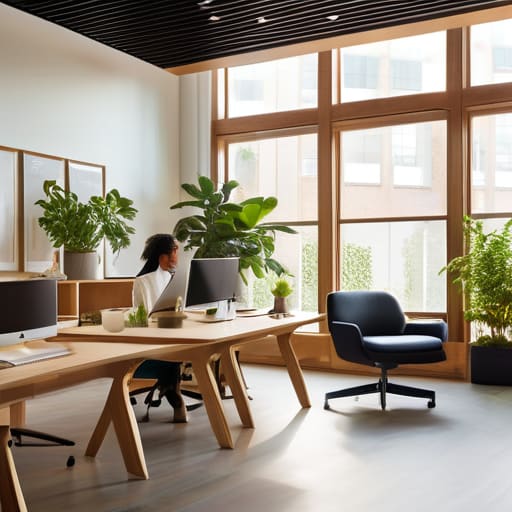
I spent fifteen years in corporate HR, and if there is one thing I’ve learned, it’s that most modern office design is nothing more than expensive theater. I’ve sat through countless “innovation summits” where companies spent millions on open-plan layouts and neon-colored beanbags, all under the guise of fostering “collaboration.” In reality, they just traded quiet focus for a constant, draining stream of unsolicited noise. We’ve been sold this idea that a flashy, tech-heavy environment automatically equals productivity, but I’ve seen more brilliance happen in a cramped, dimly lit cubicle than in a thousand glass-walled “collaboration hubs” that offer zero privacy.
I’m not here to sell you on the latest architectural gimmick or tell you that you need a smart-desk to be successful. Instead, I want to talk about how we can build spaces that actually respect your autonomy. Over the next few sections, I’ll be sharing my pragmatic, no-nonsense approach to creating environments that prioritize human focus over high-tech distraction. We’re going to look at how to design for real-world presence, ensuring your workspace serves your brain rather than just looking good in a recruitment brochure.
Table of Contents
- Beyond Modern Workspace Aesthetics Designing for Real Human Presence
- Choosing Ergonomic Office Furniture That Respects the Bodys Limits
- Five Ways to Design a Space That Actually Works for You
- The Bottom Line: Designing for Life, Not Just Work
- The Trap of the "Smart" Office
- Designing for the Human at the Desk
- Frequently Asked Questions
Beyond Modern Workspace Aesthetics Designing for Real Human Presence
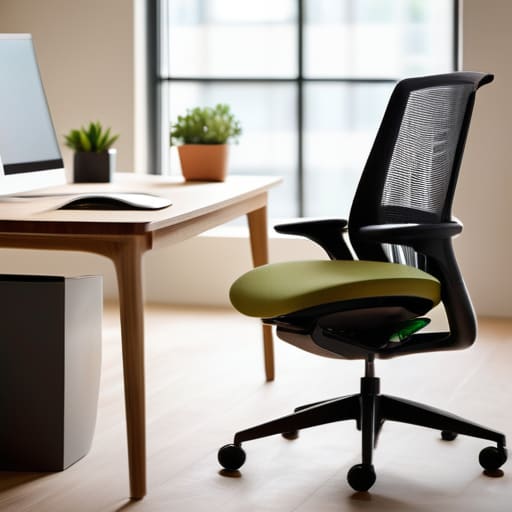
We’ve become so obsessed with the “look” of a workspace—the sleek lines, the polished concrete, the curated minimalism—that we often forget the people who actually have to sit in it for eight hours a day. It’s easy to fall in love with modern workspace aesthetics, but a beautiful office that leaves you with a nagging tension in your neck or a headache from the fluorescent glare isn’t a triumph; it’s a failure. We need to stop treating our desks like museum exhibits and start treating them like tools. This means prioritizing ergonomic office furniture that actually supports the human spine, rather than just looking good in a LinkedIn headshot.
Beyond the physical comfort, there is the invisible element: the psychological need for sanctuary. We talk endlessly about collaborative work zones to foster “synergy,” yet we rarely discuss the cost of losing our ability to focus. If your layout doesn’t offer a way to retreat from the constant hum of activity, you aren’t designing for productivity; you’re designing for exhaustion. True presence requires a balance between the social energy of the team and the quiet dignity of solitude.
Choosing Ergonomic Office Furniture That Respects the Bodys Limits
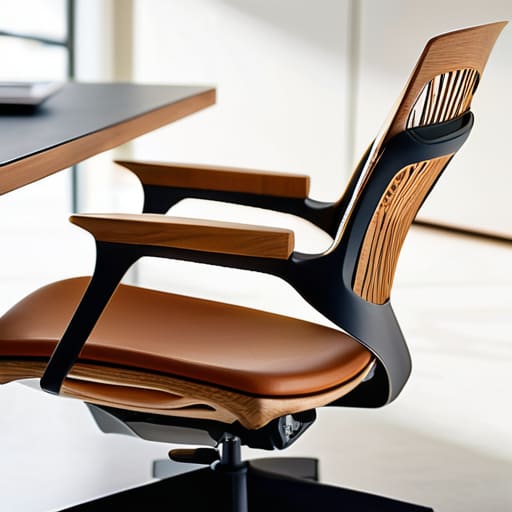
We’ve all seen the catalogs: sleek, ultra-minimalist chairs that look like pieces of sculpture but leave you feeling like you’ve been folded into a pretzel by 3:00 PM. There is a growing temptation to prioritize modern workspace aesthetics over actual physical longevity, but a chair that looks good on Instagram won’t help you when your lower back starts screaming during a deadline. When I’m restoring an old teak sideboard, I look for structural integrity; I think we need to apply that same scrutiny to our desks and seating.
Investing in high-quality ergonomic office furniture isn’t about following a trend; it’s about acknowledging that our bodies weren’t built to be static components in a digital machine. Look for adjustable lumbar support and armrests that actually move, rather than those fixed plastic bits that claim to be “one size fits all.” We need tools that adapt to our shifting posture throughout the day, not furniture that forces us to conform to its rigid geometry. Real comfort is found in flexibility and support, not in how much a piece of furniture costs.
Five Ways to Design a Space That Actually Works for You
- Prioritize “Analog Zones” where technology is intentionally left at the door. Even in a digital-first world, your brain needs a dedicated corner—a simple desk or a comfortable chair—where the only thing allowed is a notebook, a pen, and your own thoughts.
- Master the art of lighting layers. Relying solely on harsh overhead LEDs is a recipe for a midday headache; instead, mix natural light with warm, adjustable task lamps to signal to your body when it’s time to focus and when it’s time to wind down.
- Audit your “visual noise” before buying more gear. We often think a cluttered desk is a sign of productivity, but a chaotic environment usually leads to a chaotic mind. Keep your immediate field of vision clear of anything that doesn’t serve a functional or deeply restorative purpose.
- Invest in acoustic privacy, not just open floor plans. The trend of “collaborative” open offices often just results in constant distraction. Whether it’s a high-quality noise-canceling headset or a strategically placed rug to dampen sound, protect your ability to enter a state of deep work.
- Bring the outside in, but keep it intentional. A few well-placed plants aren’t just decor; they provide a subtle, grounding connection to the natural world that helps mitigate the sterile feeling of a tech-heavy environment. Just don’t turn your office into a jungle if you’re the one who has to maintain it.
The Bottom Line: Designing for Life, Not Just Work
Prioritize sensory control over high-tech gimmicks; a workspace that allows you to manage light, sound, and temperature will always serve your focus better than a “smart” gadget that just adds another notification to your day.
Invest in furniture that supports movement rather than just stillness; true ergonomics isn’t about finding one perfect, rigid position, but about creating a setup that lets your body shift and breathe throughout the afternoon slump.
Build spaces for intentionality, not just occupancy; whether it’s a quiet corner for deep thought or a tactile surface for a physical planner, your office should facilitate the kind of presence that digital tools often strip away.
The Trap of the "Smart" Office
We’ve become so obsessed with making offices “smart” with sensors and automated connectivity that we’ve forgotten the most basic requirement of a workspace: it needs to feel like a place where a person can actually exist, not just a node in a network.
Yvette Marchetti
Designing for the Human at the Desk
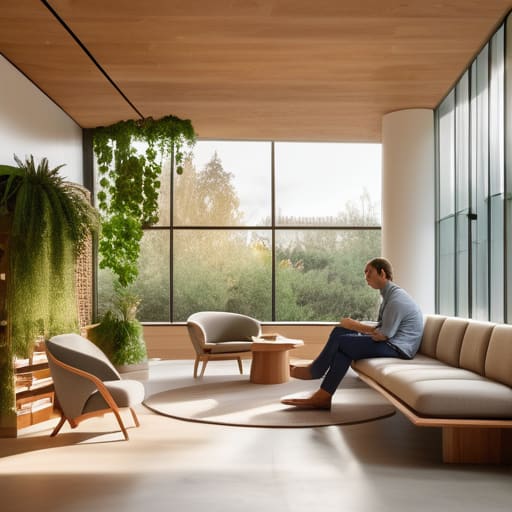
At the end of the day, designing an office isn’t about curating a Pinterest-perfect showroom or chasing the latest smart-tech gadgets that promise to automate your productivity. It’s about the quiet, practical realities we face between nine and five: the need for a chair that doesn’t leave your back aching by noon, a layout that respects your need for deep focus, and a space that actually allows for genuine human connection rather than just forced proximity. We’ve spent far too long letting technology dictate our environments, forgetting that a workspace is ultimately a tool meant to serve us, not the other way around. If your office setup feels more like a high-tech obstacle course than a sanctuary for thought, it’s time to rethink the blueprint.
As we move further into this era of digital saturation, I encourage you to be intentional about the physical boundaries you set. Don’t just buy what’s trending; build a space that honors your physical limits and your mental clarity. Real progress in the workplace isn’t found in a faster processor or a more seamless cloud integration, but in how much freedom and agency your environment grants you to do your best work. Let’s stop building offices that just look efficient on a screen and start designing spaces that actually feel human.
Frequently Asked Questions
How do I balance the need for high-tech tools with a layout that doesn't feel like a sterile, distracting data center?
Think of your office like my mid-century sideboard: the tech is the hardware, but the soul comes from the texture. Don’t hide your tools, but don’t let them dominate the visual field either. Use “analog anchors”—a real wooden desk, a soft lamp, or even a physical planner—to break up the glass and steel. If a gadget doesn’t actively serve your focus, it’s just noise. Design for the person, not the processor.
Is it actually possible to create a collaborative office space that doesn't sacrifice the quiet, deep-focus time we all need?
It is, but only if you stop treating “collaboration” and “focus” like they’re mutually exclusive. The mistake most companies make is building a giant, open-concept playground and wondering why no one gets anything done. You need a hybrid rhythm: high-energy zones for the brainstorming noise, and strictly protected “quiet pods” or library-style areas for deep work. Real productivity isn’t about being constantly available; it’s about having the agency to choose your environment.
When investing in a home office, should I prioritize expensive ergonomic gear or the psychological comfort of my physical environment?
It’s a false dichotomy, though I get why it feels that way. If your back is screaming because of a cheap chair, you won’t find “zen” in a beautiful room. But if you’re sitting in a $1,500 ergonomic throne surrounded by sterile, soul-sucking white walls, you’ll burn out by noon. My advice? Buy the decent chair first—your spine is non-negotiable—then layer in the psychological comfort. A few plants and good lighting go much further than high-end gadgets.
