Category: Work

  • How Modern Office Design Affects Employee Productivity

    How Modern Office Design Affects Employee Productivity

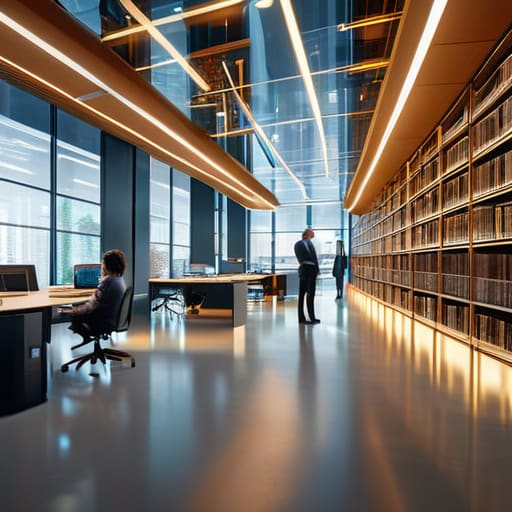
    I spent fifteen years in corporate HR, and if there is one thing I’ve learned, it’s that most modern office design is nothing more than expensive theater. I’ve sat through countless “innovation summits” where companies spent millions on open-plan layouts and neon-colored beanbags, all under the guise of fostering “collaboration.” In reality, they just traded quiet focus for a constant, draining stream of unsolicited noise. We’ve been sold this idea that a flashy, tech-heavy environment automatically equals productivity, but I’ve seen more brilliance happen in a cramped, dimly lit cubicle than in a thousand glass-walled “collaboration hubs” that offer zero privacy.

    I’m not here to sell you on the latest architectural gimmick or tell you that you need a smart-desk to be successful. Instead, I want to talk about how we can build spaces that actually respect your autonomy. Over the next few sections, I’ll be sharing my pragmatic, no-nonsense approach to creating environments that prioritize human focus over high-tech distraction. We’re going to look at how to design for real-world presence, ensuring your workspace serves your brain rather than just looking good in a recruitment brochure.

    Table of Contents

    Beyond Modern Workspace Aesthetics Designing for Real Human Presence

    Beyond Modern Workspace Aesthetics Designing for Real Human Presence

    We’ve become so obsessed with the “look” of a workspace—the sleek lines, the polished concrete, the curated minimalism—that we often forget the people who actually have to sit in it for eight hours a day. It’s easy to fall in love with modern workspace aesthetics, but a beautiful office that leaves you with a nagging tension in your neck or a headache from the fluorescent glare isn’t a triumph; it’s a failure. We need to stop treating our desks like museum exhibits and start treating them like tools. This means prioritizing ergonomic office furniture that actually supports the human spine, rather than just looking good in a LinkedIn headshot.

    Beyond the physical comfort, there is the invisible element: the psychological need for sanctuary. We talk endlessly about collaborative work zones to foster “synergy,” yet we rarely discuss the cost of losing our ability to focus. If your layout doesn’t offer a way to retreat from the constant hum of activity, you aren’t designing for productivity; you’re designing for exhaustion. True presence requires a balance between the social energy of the team and the quiet dignity of solitude.

    Choosing Ergonomic Office Furniture That Respects the Bodys Limits

    Choosing Ergonomic Office Furniture That Respects the Bodys Limits.

    We’ve all seen the catalogs: sleek, ultra-minimalist chairs that look like pieces of sculpture but leave you feeling like you’ve been folded into a pretzel by 3:00 PM. There is a growing temptation to prioritize modern workspace aesthetics over actual physical longevity, but a chair that looks good on Instagram won’t help you when your lower back starts screaming during a deadline. When I’m restoring an old teak sideboard, I look for structural integrity; I think we need to apply that same scrutiny to our desks and seating.

    Investing in high-quality ergonomic office furniture isn’t about following a trend; it’s about acknowledging that our bodies weren’t built to be static components in a digital machine. Look for adjustable lumbar support and armrests that actually move, rather than those fixed plastic bits that claim to be “one size fits all.” We need tools that adapt to our shifting posture throughout the day, not furniture that forces us to conform to its rigid geometry. Real comfort is found in flexibility and support, not in how much a piece of furniture costs.

    Five Ways to Design a Space That Actually Works for You

    • Prioritize “Analog Zones” where technology is intentionally left at the door. Even in a digital-first world, your brain needs a dedicated corner—a simple desk or a comfortable chair—where the only thing allowed is a notebook, a pen, and your own thoughts.
    • Master the art of lighting layers. Relying solely on harsh overhead LEDs is a recipe for a midday headache; instead, mix natural light with warm, adjustable task lamps to signal to your body when it’s time to focus and when it’s time to wind down.
    • Audit your “visual noise” before buying more gear. We often think a cluttered desk is a sign of productivity, but a chaotic environment usually leads to a chaotic mind. Keep your immediate field of vision clear of anything that doesn’t serve a functional or deeply restorative purpose.
    • Invest in acoustic privacy, not just open floor plans. The trend of “collaborative” open offices often just results in constant distraction. Whether it’s a high-quality noise-canceling headset or a strategically placed rug to dampen sound, protect your ability to enter a state of deep work.
    • Bring the outside in, but keep it intentional. A few well-placed plants aren’t just decor; they provide a subtle, grounding connection to the natural world that helps mitigate the sterile feeling of a tech-heavy environment. Just don’t turn your office into a jungle if you’re the one who has to maintain it.

    The Bottom Line: Designing for Life, Not Just Work

    Prioritize sensory control over high-tech gimmicks; a workspace that allows you to manage light, sound, and temperature will always serve your focus better than a “smart” gadget that just adds another notification to your day.

    Invest in furniture that supports movement rather than just stillness; true ergonomics isn’t about finding one perfect, rigid position, but about creating a setup that lets your body shift and breathe throughout the afternoon slump.

    Build spaces for intentionality, not just occupancy; whether it’s a quiet corner for deep thought or a tactile surface for a physical planner, your office should facilitate the kind of presence that digital tools often strip away.

    The Trap of the "Smart" Office

    We’ve become so obsessed with making offices “smart” with sensors and automated connectivity that we’ve forgotten the most basic requirement of a workspace: it needs to feel like a place where a person can actually exist, not just a node in a network.

    Yvette Marchetti

    Designing for the Human at the Desk

    Designing for the Human at the Desk.

    At the end of the day, designing an office isn’t about curating a Pinterest-perfect showroom or chasing the latest smart-tech gadgets that promise to automate your productivity. It’s about the quiet, practical realities we face between nine and five: the need for a chair that doesn’t leave your back aching by noon, a layout that respects your need for deep focus, and a space that actually allows for genuine human connection rather than just forced proximity. We’ve spent far too long letting technology dictate our environments, forgetting that a workspace is ultimately a tool meant to serve us, not the other way around. If your office setup feels more like a high-tech obstacle course than a sanctuary for thought, it’s time to rethink the blueprint.

    As we move further into this era of digital saturation, I encourage you to be intentional about the physical boundaries you set. Don’t just buy what’s trending; build a space that honors your physical limits and your mental clarity. Real progress in the workplace isn’t found in a faster processor or a more seamless cloud integration, but in how much freedom and agency your environment grants you to do your best work. Let’s stop building offices that just look efficient on a screen and start designing spaces that actually feel human.

    Frequently Asked Questions

    How do I balance the need for high-tech tools with a layout that doesn't feel like a sterile, distracting data center?

    Think of your office like my mid-century sideboard: the tech is the hardware, but the soul comes from the texture. Don’t hide your tools, but don’t let them dominate the visual field either. Use “analog anchors”—a real wooden desk, a soft lamp, or even a physical planner—to break up the glass and steel. If a gadget doesn’t actively serve your focus, it’s just noise. Design for the person, not the processor.

    Is it actually possible to create a collaborative office space that doesn't sacrifice the quiet, deep-focus time we all need?

    It is, but only if you stop treating “collaboration” and “focus” like they’re mutually exclusive. The mistake most companies make is building a giant, open-concept playground and wondering why no one gets anything done. You need a hybrid rhythm: high-energy zones for the brainstorming noise, and strictly protected “quiet pods” or library-style areas for deep work. Real productivity isn’t about being constantly available; it’s about having the agency to choose your environment.

    When investing in a home office, should I prioritize expensive ergonomic gear or the psychological comfort of my physical environment?

    It’s a false dichotomy, though I get why it feels that way. If your back is screaming because of a cheap chair, you won’t find “zen” in a beautiful room. But if you’re sitting in a $1,500 ergonomic throne surrounded by sterile, soul-sucking white walls, you’ll burn out by noon. My advice? Buy the decent chair first—your spine is non-negotiable—then layer in the psychological comfort. A few plants and good lighting go much further than high-end gadgets.

  • Managing the Challenges of Distributed Teams

    Managing the Challenges of Distributed Teams

    I spent fifteen years in HR watching companies throw money at “solutions” that only created more problems. Lately, I’ve been seeing the same tired script being played out with distributed teams: the idea that if we just layer enough Slack channels, Notion boards, and “asynchronous workflow” buzzwords onto our workday, we’ll somehow achieve some digital utopia. It’s nonsense. We’re being sold the dream of ultimate flexibility, but for most people, it’s just turning their living rooms into unpaid satellite offices where the boundary between “on” and “off” has completely evaporated.

    I’m not here to sell you on a new productivity stack or a subscription to a virtual watercooler app. My goal is to look past the shiny tech veneer and talk about the actual mechanics of how people work together when they aren’t in the same room. I want to share what I’ve learned about building systems that prioritize human agency over constant connectivity. We’re going to explore how to manage distributed teams without losing our sanity—or our sense of self—in the process.

    Table of Contents

    Mastering Asynchronous Communication Workflows for True Freedom

    Mastering Asynchronous Communication Workflows for True Freedom

    The problem with most remote setups is that we’ve simply traded the physical office for a digital leash. We jump from Slack notification to Zoom call, thinking we’re being productive, when we’re actually just performing “availability.” To reclaim our sanity, we have to move toward intentional asynchronous communication workflows. This isn’t about being slow; it’s about being deliberate. It means moving away from the expectation of an instant reply and instead creating a system where information is documented, searchable, and accessible whenever a person is actually ready to process it.

    When we stop treating every message like a fire drill, we finally start managing time zone differences with grace rather than resentment. I’ve seen too many people burn out because they felt they had to be “online” at 9 PM just to catch a colleague halfway across the world. True freedom comes when we stop using tools to mimic a traditional office and start using them to build a culture of trust. If the work is getting done and the documentation is clear, it shouldn’t matter if you answered that email at noon or midnight.

    Building Remote Team Culture Beyond the Screen

    Building Remote Team Culture Beyond the Screen

    We’ve become so obsessed with the mechanics of digital workspace management that we’ve forgotten that a “team” is actually a group of people, not a collection of avatars. It is easy to mistake a high Slack response rate for genuine engagement, but that is a dangerous fallacy. Real remote team culture building isn’t about forced “virtual happy hours” that everyone dreads; it’s about creating a sense of psychological safety where people feel seen without being surveilled.

    I’ve seen too many managers try to manufacture connection through endless video calls, which only leads to burnout. Instead, we should be looking at how we can foster intentional spontaneity. This means creating spaces for the “watercooler talk” that naturally happens in an office, but doing it through low-pressure channels that don’t demand immediate attention. If we want to sustain a healthy distributed workforce, we have to stop treating culture like a software update we can just install. It requires a deliberate, human-centric approach that prioritizes trust over constant visibility.

    Five Ways to Keep the Human Element in a Digital Workspace

    • Stop the meeting madness. If an update can be a well-written memo or a quick voice note, don’t force everyone into a Zoom square. We need to protect our focus time, not sacrifice it to performative “presence.”
    • Over-communicate, but do it intentionally. In a physical office, you catch the nuances in the hallway. Online, those nuances vanish. Be explicit about your availability and your boundaries so nobody is left guessing.
    • Prioritize documentation over “tribal knowledge.” If the only way to learn a process is to tap someone on the shoulder, your distributed system is broken. Build a living library that allows people to find answers without needing a permission slip.
    • Create “low-stakes” digital spaces. Not every interaction needs to be a deliverable. We need digital watercoolers that aren’t forced or cringey—places where we can actually be people, not just task-completing machines.
    • Trust is the only real currency. If you’re using surveillance software to see if someone is moving their mouse, you haven’t built a distributed team; you’ve built a digital panopticon. Focus on output and impact, not hours logged.

    Cutting Through the Digital Noise

    Stop treating every notification like an emergency; true asynchronous work only functions when we respect the boundaries of deep focus and real life.

    Culture isn’t something you can manufacture with a mandatory Zoom happy hour; it’s built in the small, intentional moments of trust and clarity that happen between the tasks.

    Tools should serve your workflow, not the other way around—if a new piece of software is adding more friction than freedom, it’s time to ditch it.

    The High Cost of Constant Connectivity

    “We’ve been sold this dream that being ‘distributed’ means being everywhere at once, but if your remote setup just turns your living room into a 24/7 notification center, you haven’t gained freedom—you’ve just lost your boundaries.”

    Yvette Marchetti

    The Human Element in a Borderless World

    The Human Element in a Borderless World.

    At the end of the day, managing a distributed team isn’t about mastering a complex stack of Slack integrations or perfecting your asynchronous documentation. It’s about recognizing that behind every notification is a person trying to balance a career with a life that exists outside of a glowing screen. We’ve talked about the workflows and the culture-building, but the core lesson remains: technology should be the scaffolding, not the entire building. If your digital tools are creating more friction than they are solving, you aren’t scaling a business—you’re just automating burnout.

    As we move further into this era of borderless work, I urge you to resist the urge to let the software dictate your rhythm. Don’t mistake constant connectivity for actual productivity, and don’t let a lack of physical proximity erode the empathy that makes a team actually function. Real progress isn’t found in how many time zones you can overlap; it’s found in the autonomy we grant one another to do our best work on our own terms. Let’s use these tools to build something that feels less like a digital grind and more like a sustainable way to live.

    Frequently Asked Questions

    How do we prevent the "always-on" culture from creeping into asynchronous work, where people feel they have to respond instantly just to prove they're working?

    The trap is thinking that “asynchronous” means “available 24/7.” We have to stop equating instant replies with productivity. I’ve seen it happen: people hovering over Slack just to prove they haven’t checked out. To fight this, we need explicit “response windows” and a culture that celebrates deep work over rapid-fire pings. If your team feels they must respond immediately to justify their existence, you haven’t built a remote workflow—you’ve just built a digital leash.

    What are the actual, practical ways to mentor junior employees when you can't just lean over a desk to explain a concept?

    The “drive-by” mentorship—that quick lean-over-the-desk moment—is gone, and honestly, it’s a loss. To fill that gap, you have to be intentional. I recommend scheduling “office hours” that aren’t about status updates, but about curiosity. Use recorded Loom videos to walk through complex processes; it lets them rewatch your logic at their own pace. Most importantly, move from “answering questions” to “narrating your thinking.” Explain the why behind your decisions in shared docs.

    Is the loss of spontaneous "watercooler" moments a fair price to pay for the flexibility of remote work, or are we losing something essential to professional growth?

    It’s a heavy trade-off. We’ve gained the ability to schedule our lives around our families, but we’ve lost those unplanned, messy collisions of ideas that happen by the coffee machine. Those “watercooler” moments aren’t just social fluff; they’re where mentorship happens organically and where the real pulse of a company is felt. We can’t just pretend a scheduled Zoom happy hour replaces them. We have to be much more intentional about creating space for genuine, unscripted connection.

  • Strategies for Improving Employee Retention in Competitive Markets

    Strategies for Improving Employee Retention in Competitive Markets

    I was sitting in a high-level strategy meeting last year, watching a consultant present a sleek, $50,000 dashboard that promised to “predict churn” using predictive AI. The room was filled with executives nodding at the colorful heat maps, but all I could think about was the quiet, heavy silence in the breakroom every time a seasoned team member handed in their notice. We’ve become obsessed with treating employee retention like a math problem to be solved with more software and better data points, when in reality, it’s a deeply human issue. You can’t optimize your way out of a culture that lacks actual trust, no matter how much you spend on the latest engagement app.

    I’m not here to sell you on another shiny tool or a complex algorithm that treats your staff like variables in an equation. Instead, I want to pull back the curtain on what actually keeps people in their seats—and it usually has nothing to do with a gamified wellness platform. I’m going to share some straight-talk strategies rooted in my years in HR and my observations of how we’re losing our connection to the work. We’re going to talk about reclaiming stability and dignity in the workplace, because real progress isn’t found in a dashboard; it’s found in the people you choose to keep.

    Table of Contents

    Cultivating Real Workplace Satisfaction Drivers Over Digital Noise

    Cultivating Real Workplace Satisfaction Drivers Over Digital Noise

    We’ve reached a point where “engagement” has become a metric to be gamed by software rather than a feeling to be nurtured by leaders. I’ve sat in enough HR meetings to know that no amount of gamified badges or automated “pulse surveys” can fix a culture that feels hollow. If we want to focus on true workplace satisfaction drivers, we have to stop looking at dashboards and start looking at the people sitting in the chairs. Real connection doesn’t happen through a notification; it happens when a manager actually listens during a one-on-one.

    Instead of chasing the latest shiny app, let’s invest in the fundamentals that actually move the needle. This means prioritizing meaningful professional development opportunities that show an employee you see a future for them, not just a seat for today. It also means looking at the structural stuff—like work-life balance initiatives that aren’t just slogans on a breakroom poster, but actual policies that respect a person’s time. When we trade superficial digital pings for genuine stability and growth, we aren’t just managing a workforce; we’re building a community.

    The Quiet Power of Intentional Onboarding and Integration

    The Quiet Power of Intentional Onboarding and Integration

    We often treat the first week of a new job like a checklist to be cleared—a series of logins, handbooks, and software tutorials. But after years in HR, I’ve learned that if you treat people like hardware being installed into a system, they’ll start feeling like components rather than contributors. True onboarding and integration isn’t about how fast someone can navigate your Slack channels; it’s about how quickly they feel they belong. When we rush this phase, we aren’t just being efficient; we are actively sabotaging our efforts at reducing staff turnover rates before the employee has even finished their first month.

    The secret lies in the slow build. Instead of overwhelming a new hire with a deluge of digital documentation, focus on the human architecture. This means intentional mentorship, clear expectations, and—most importantly—space to breathe. If the first impression of a company is a frantic, disorganized scramble, that person will spend their first ninety days looking for the exit. Real stability comes when a newcomer feels seen and supported, not just “onboarded.” It’s the difference between being a cog in a machine and being a vital part of a community.

    Small Shifts That Actually Move the Needle

    • Stop measuring engagement through surveys and start measuring it through presence. If your team is too burned out to participate in your “culture building” activities, your metrics are lying to you.
    • Prioritize autonomy over oversight. I’ve seen more talent walk out the door because of micromanagement than because of salary gaps; people stay where they feel trusted to own their outcomes.
    • Build in “buffer time” for the human element. We’ve become so obsessed with optimizing every minute of the workday that we’ve eliminated the spontaneous, unscripted conversations that actually form the glue of a team.
    • Invest in professional growth that isn’t just a digital course. Real mentorship—the kind where a senior leader actually sits down and listens to a junior’s career anxieties—is worth more than any subscription-based learning platform.
    • Respect the boundary between life and the screen. If your company culture implicitly expects a response to a Slack message at 8:00 PM, you aren’t building a team; you’re building a countdown to their resignation.

    The Bottom Line: People Over Platforms

    Stop looking for a software fix for a cultural problem; real retention happens through trust and autonomy, not better engagement metrics.

    Focus on the quality of the human connection during the first ninety days, because a smooth integration beats a flashy digital orientation every time.

    Measure success by how much breathing room you give your team, rather than how many new tools you’ve forced into their daily workflow.

    ## The Retention Fallacy

    “We need to stop treating employee retention like a data problem to be solved by a new dashboard, and start treating it like a relationship problem that requires actual presence, trust, and the space to breathe.”

    Yvette Marchetti

    Moving Beyond the Dashboard

    Moving Beyond the Dashboard for human connection.

    At the end of the day, retention isn’t a metric you can solve with a new software subscription or a more sophisticated sentiment analysis tool. We’ve talked about why chasing digital noise is a losing game and why the real work happens during those quiet, intentional moments of onboarding and genuine connection. If you want people to stay, you have to stop looking at them as data points on a retention dashboard and start seeing them as whole human beings navigating a complex world. It’s about building a culture where trust is the default setting, not a reward for meeting a quota. When we prioritize meaningful stability over flashy, automated engagement, we create an environment where people actually want to show up.

    As we move further into this era of rapid technological shifts, it is easy to get swept up in the hype of “optimization.” But I’ve learned through years of HR and observing the friction of the modern workplace that the most resilient organizations aren’t the ones with the most advanced tech stacks; they are the ones that protect their humanity. Let’s stop asking how we can use technology to monitor our people and start asking how we can use it to give them back their time and agency. Real progress isn’t found in a more efficient algorithm, but in the freedom to do great work without losing ourselves in the process.
    Frequently Asked Questions

    How can we tell the difference between a genuine cultural shift and just another HR trend designed to look good on a slide deck?

    Look at the plumbing, not the paint. A trend is a polished slide deck or a new Slack integration meant to signal “culture” to stakeholders. A genuine shift is found in the unglamorous stuff: how managers actually behave when things go wrong, or whether people feel safe enough to turn off their notifications at 5:00 PM. If the change doesn’t survive a bad quarter or a stressful deadline, it’s just window dressing.

    In a world of remote work and digital tools, what does "presence" actually look like when it comes to building real loyalty?

    Presence isn’t about being “green” on Slack or logging on at 7:00 AM just to be seen. In a remote setup, real presence is about psychological availability. It’s the manager who actually listens during a Zoom call without glancing at their phone, or the teammate who follows through on a small promise. Loyalty isn’t built through constant digital pings; it’s built when people feel truly heard and respected, even through a screen.

    How do we balance the need for data-driven insights with the necessity of actually talking to our people face-to-face?

    Data is a useful compass, but it’s a terrible conversation partner. I’ve seen too many managers stare at engagement scores like they’re holy scripture while missing the palpable tension in the room. Use the data to spot the patterns—the sudden dip in productivity or the spike in turnover—but use your ears to find the cause. Numbers tell you what is happening; only a real, unfiltered conversation will tell you why.

  • Using Learning Management Systems for Workforce Growth

    Using Learning Management Systems for Workforce Growth

    I remember sitting in a windowless HR conference room back in 2012, watching a consultant drone on about how a shiny new software suite was going to “revolutionize our human capital development.” He was selling a dream, but all I saw was a group of exhausted employees staring blankly at a screen, wondering why their actual jobs were being sidelined by a digital gatekeeper. We’ve been told for years that learning management systems are the silver bullet for professional growth, but more often than not, they feel like just another layer of digital bureaucracy designed to turn people into measurable data points.

    I’m not here to sell you on the latest high-priced platform or the buzzwords that tech vendors use to justify their subscription fees. Instead, I want to look at how we can actually use these tools to serve the human being behind the screen. Over the next few sections, I’ll be sharing my unfiltered take on how to vet these systems so they actually clear your schedule rather than cluttering it. We’re going to focus on finding the balance between efficient automation and the kind of meaningful, real-world skill building that actually moves the needle for your career.

    Table of Contents

    Beyond Employee Training Automation Preserving the Joy of Discovery

    Beyond Employee Training Automation Preserving the Joy of Discovery

    We’ve been conditioned to view employee training automation as the ultimate efficiency win, but there’s a hidden cost to making professional growth feel like a series of checkboxes. When we lean too heavily on digital learning platforms to do the heavy lifting, we risk turning the pursuit of knowledge into a mechanical chore. If every module is just a way to tick a box for compliance, we lose the spontaneous curiosity that actually drives innovation. Learning shouldn’t feel like a conveyor belt; it should feel like an opening door.

    The real danger lies in how we use learning analytics and reporting. It’s easy to get obsessed with the metrics—completion rates, time-on-page, quiz scores—and start treating our colleagues like data sets to be optimized. But a high completion rate doesn’t necessarily mean someone has actually mastered a skill or, more importantly, found inspiration in the material. We need to ensure these tools serve as a foundation for exploration rather than a cage of rigid parameters. We should be using technology to clear the path for genuine insight, not just to monitor how fast we can process information.

    Digital Learning Platforms Tools for Growth or Just More Noise

    Digital Learning Platforms Tools for Growth or Just More Noise

    We’ve all been there: you log in to a new platform, and instead of feeling empowered, you feel buried. The marketing pitch for most digital learning platforms promises a seamless, intuitive experience, but the reality often feels like navigating a cluttered basement. We get sold on the idea of endless scalability of e-learning solutions, as if adding more modules and more content is the same thing as adding more value. But there is a massive difference between providing a library of knowledge and providing a path toward actual mastery.

    The danger lies in getting lost in the dashboard. It’s easy to become obsessed with learning analytics and reporting, tracking completion rates and time-on-page as if those metrics are the ultimate truth. But a high completion rate doesn’t mean your team is actually evolving; it might just mean they’ve mastered the art of clicking “next” as fast as possible to clear their to-do lists. We have to stop treating these tools like digital checklists and start treating them as intentional spaces for evolution. If the technology doesn’t clear the mental fog, it’s just more noise.

    How to Keep the "Learning" in Your Learning Management System

    • Audit the friction before you add the features. If a new module takes twenty minutes of clicking just to reach a three-minute video, you haven’t built a tool; you’ve built a hurdle.
    • Prioritize curiosity over compliance. Use your LMS to suggest paths based on genuine interests, not just to check a box that says someone watched a mandatory video on corporate policy.
    • Protect your team’s deep work. Don’t let automated notifications turn learning into another “urgent” ping that disrupts a flow state; let people engage with the material on their own terms.
    • Look for qualitative wins, not just completion rates. A 100% completion rate doesn’t mean your team is smarter; it might just mean they’ve learned how to click “next” without actually reading.
    • Keep the human element in the loop. Use the data from your system to spark real conversations in your 1-on-1s, rather than letting a dashboard replace the actual mentorship your employees need.

    The Bottom Line: Keeping the Human in the Loop

    Stop treating your LMS like a digital checklist; if it isn’t actually freeing up mental space for your team to innovate, it’s just more expensive busywork.

    Prioritize meaningful skill acquisition over completion metrics—a certificate doesn’t mean a thing if the knowledge doesn’t translate to real-world confidence.

    Use technology to bridge gaps, not to build walls; the best learning systems are the ones that encourage human connection rather than replacing it with a progress bar.

    The Human Cost of Efficiency

    “We have to stop treating professional development like a checkbox on a digital dashboard. If your learning management system is only designed to track completion rates rather than spark actual curiosity, you aren’t building a smarter workforce—you’re just perfecting the art of automated compliance.”

    Yvette Marchetti

    The Human Element in the Digital Classroom

    The Human Element in the Digital Classroom.

    At the end of the day, a Learning Management System is just software—it’s a collection of code, databases, and progress bars. We’ve spent a lot of time discussing whether these platforms are expanding our horizons or simply adding another layer of digital clutter to an already crowded workday. If we use them solely to track completion rates and tick boxes, we aren’t actually teaching; we are just automating compliance. To make these tools work, we have to move past the idea of “content delivery” and start thinking about intentional engagement. We need to ensure that the technology serves the learner, rather than forcing the learner to serve the algorithm.

    As I sit here at my desk, looking at my messy paper planner and my sleek laptop, I’m reminded that progress isn’t about how much data we can capture about a person’s growth. Real progress is about the quality of the spark that happens when someone finally understands a complex new concept. Don’t let the pursuit of a seamless, automated workflow strip the soul out of your professional development. Use these systems to clear away the administrative friction, but never forget that true learning is a deeply human act that requires space, curiosity, and a little bit of room to fail.

    Frequently Asked Questions

    How can we stop these platforms from feeling like a digital chore that just eats up more of our already shrinking workdays?

    We have to stop treating LMS modules like mandatory chores and start treating them like actual resources. If a platform feels like a tax on your time, it’s failing. The fix? Demand bite-sized, high-value content that respects the clock. Don’t let companies push “completion rates” as a metric for success. We should be measuring how much a tool actually helps us solve a problem, not just how many checkboxes we ticked before lunch.

    Is there a way to use LMS data to actually support people, rather than just using it as a way to track compliance and micromanage progress?

    Stop looking at the dashboard as a way to catch people failing compliance. If you want to actually support your team, use that data to spot the gaps where they’re struggling and offer resources before they burn out. Treat the analytics as a compass for mentorship, not a whip for micromanagement. When we use data to identify where someone needs a hand—rather than just where they missed a deadline—we turn a tracking tool into a genuine lifeline.

    At what point does a structured learning platform start to kill the spontaneous, organic way we actually learn from one another in a real office?

    It happens the moment we start treating “learning” as a checkbox rather than a conversation. When we swap the quick, over-the-shoulder mentorship or the spontaneous “hey, watch how I do this” for a mandatory module, we lose the nuance. If your team is so buried in structured LMS tracks that they don’t have time to actually talk to each other about their work, you haven’t built a learning culture—you’ve just automated a chore.

  • The Impact of Collaborative Software on Team Dynamics

    The Impact of Collaborative Software on Team Dynamics

    I remember sitting in a glass-walled conference room during my final years in HR, watching a team of brilliant people lose an entire afternoon to a “seamless” digital interface. They weren’t actually working; they were just fighting with notifications, tagging each other in endless threads, and trying to figure out which version of a document was the actual final one. We’ve been sold this idea that collaborative software is the magic cure for a disconnected workforce, but more often than not, it just feels like we’ve traded meaningful conversation for a mountain of digital clutter.

    I’m not here to give you a glossy sales pitch or a list of every shiny new app hitting the market this month. Instead, I want to talk about how we can actually use these tools to reclaim our time rather than letting them dictate our schedules. I’m going to share what I’ve learned from years of watching tech trends collide with human reality, helping you cut through the noise to find the tools that actually foster connection. My goal is to help you find software that serves your team, not the other way around.

    Table of Contents

    Beyond Noise Finding Real Remote Team Productivity Tools

    Beyond Noise Finding Real Remote Team Productivity Tools

    The problem with most modern tech rollouts is that they mistake activity for achievement. We’ve all been there: a notification pings every thirty seconds, a thread spirals into a dozen unnecessary side-chats, and suddenly, you haven’t actually done any work. We’re drowning in updates. To fix this, we need to look past the flashy interfaces and focus on asynchronous communication methods that actually respect our focus. The goal shouldn’t be to stay “online” all day; it should be to give us the space to think deeply without the constant pressure of an instant reply.

    When I consult with teams, I tell them to stop looking for the most complex tool and start looking for the most seamless one. Truly effective remote team productivity tools shouldn’t feel like a second job. They should act as a quiet scaffolding for your day, offering things like real-time document editing that feels intuitive rather than clunky, or project tracking that doesn’t require a PhD to navigate. If a piece of software makes you feel more frantic instead of more capable, it isn’t a solution—it’s just more noise.

    Mastering Asynchronous Communication Methods Without Losing Connection

    Mastering Asynchronous Communication Methods Without Losing Connection

    The biggest trap of the modern digital office is the assumption that “available” equals “productive.” We’ve all been there—trapped in a cycle of instant pings and endless Slack threads that feel more like a digital leash than a way to get things done. To actually reclaim our focus, we have to get comfortable with asynchronous communication methods. This isn’t just about delaying a response; it’s about moving away from the frantic expectation of immediate gratification and toward a culture where deep work is respected.

    When we lean into tools that support this rhythm, we stop treating every notification like a five-alarm fire. Using cloud-based collaboration platforms to leave thoughtful, documented updates allows teammates to digest information on their own terms rather than being interrupted mid-thought. It’s a shift in mindset from “I need an answer now” to “I’m providing the context you need when you’re ready.” If we can master this balance, we stop performing “busyness” and start actually delivering results, without the constant, draining hum of digital urgency.

    Cutting Through the Digital Clutter: 5 Rules for Choosing Your Tech Stack

    • Audit your current tools before adding new ones. We often mistake a new subscription for a solution, but if your team is already drowning in notifications, adding another “all-in-one” platform is just adding more weight to the backpack.
    • Prioritize “low-friction” over “feature-rich.” I’ve seen countless teams abandon sophisticated software because it takes ten clicks just to log a simple thought. If the tool feels like a chore, it won’t be used—no matter how much it cost.
    • Define your “source of truth” early. Collaborative software fails when half the team is in a Slack thread, a quarter is in an email, and the rest are buried in a Notion doc. Pick one place for final decisions and stick to it.
    • Respect the “notification boundary.” A tool shouldn’t demand your attention every thirty seconds. Look for software that allows for deep work by offering meaningful, curated updates rather than a constant stream of digital dopamine hits.
    • Test the human element, not just the UI. Ask yourself: Does this tool make it easier to understand my colleague’s intent, or does it strip away the nuance of our communication? If it feels like you’re talking to a machine, it’s the wrong tool.

    Cutting Through the Digital Static

    Stop chasing every new feature; a tool is only useful if it actually solves a friction point in your day rather than just adding another notification to your screen.

    Prioritize clarity over speed by choosing platforms that support thoughtful, asynchronous updates, which prevents the burnout of constant “real-time” availability.

    Always keep the human element at the center of your tech stack—if a piece of software makes your team feel more like cogs in a machine and less like people, it’s the wrong tool.

    The Tool vs. The Connection

    “We need to stop treating collaborative software like a magic fix for culture. A new dashboard won’t build trust or fix a broken workflow; it’ll just give you a high-definition view of the chaos if you aren’t careful.”

    Yvette Marchetti

    The Human Bottom Line

    Prioritizing meaningful collaboration: The Human Bottom Line.

    At the end of the day, we have to stop treating every new software rollout like it’s a mandatory evolution. We’ve looked at how to cut through the digital noise, how to leverage asynchronous tools without losing our sense of belonging, and how to pick platforms that actually serve us rather than the other way around. It’s easy to get seduced by a sleek interface or a promise of “total optimization,” but if a tool doesn’t actually clear your mental plate or make your workday feel more manageable, it’s just another distraction. The goal isn’t to be more “connected” in a technical sense; it’s to ensure our software facilitates meaningful collaboration instead of just creating more notifications to ignore.

    As you look toward your next team implementation or tool migration, I want you to pause and ask one simple question: Does this give me more freedom, or does it just demand more of my attention? We shouldn’t be working for our tools; our tools should be working for us. Technology is a wonderful lever, but we have to be the ones holding it with intention. Let’s commit to building workflows that respect our time and protect our humanity, ensuring that as our digital landscapes shift, our ability to connect deeply with one another remains entirely intact.

    Frequently Asked Questions

    How do we stop these tools from becoming just another endless stream of notifications that kill our deep work?

    It starts with setting boundaries that aren’t just “do not disturb” modes. We need to treat our focus like a physical workspace—you wouldn’t let someone walk into your office and scream every five minutes, so why let a notification do it? I’ve found that batching check-ins and strictly defining which channels are for emergencies versus “whenever” helps. If the tool is dictating your rhythm instead of serving it, it’s time to mute the noise.

    Is there a way to implement this software without making my team feel like they're being micromanaged by an algorithm?

    The short answer is yes, but it requires a shift in how you frame the tool. If you pitch it as a way to “track output,” your team will smell the surveillance coming a mile away. Instead, frame it as a way to protect their time—a way to reduce status meetings and clarify expectations so they can actually focus. Use the data to identify bottlenecks in the system, not to police the people.

    At what point does "seamless collaboration" actually start to erode the boundaries between our professional and personal lives?

    It happens the moment “available” becomes a permanent state of being. When we design tools that promise seamlessness, we often accidentally build digital leashes. If you feel a phantom vibration in your pocket during dinner, or if a “quick ping” on Slack feels like an intrusion into your living room, the boundary has already dissolved. Seamlessness shouldn’t mean constant access; it should mean the ability to work effectively when it’s actually time to work.

  • Mastering Task Management for Better Daily Productivity

    Mastering Task Management for Better Daily Productivity

    I was sitting at my desk last Tuesday, staring at a screen split between three different “productivity” dashboards, feeling less like a professional and more like a digital janitor. I had spent forty minutes color-coding tags and setting up automated reminders, yet my actual work hadn’t moved an inch. We’ve been sold this lie that better task management is synonymous with more features, more integrations, and more shiny notifications. In reality, most of these high-tech systems are just expensive ways to procrastinate, turning our focus into a fragmented mess of pings and red dots that serve the software, not the person using it.

    I’m not here to sell you on a new subscription or a complex workflow that requires a PhD to maintain. Instead, I want to talk about how we can strip away the digital noise and get back to what actually matters. I’m going to share a few grounded, practical strategies—some born from my years in HR and others from my own messy attempts to balance a freelance life—to help you build a system that actually grants you freedom. Let’s stop managing the tools and start reclaiming our time.

    Table of Contents

    Silencing the Noise of Digital Task Trackers

    Silencing the Noise of Digital Task Trackers

    I’ve spent enough time in HR to know that when a company rolls out a new suite of digital task trackers, they usually call it “empowerment.” In reality, it often feels like a digital leash. We’ve been conditioned to believe that if a task isn’t logged, pinged, or color-coded in a cloud-based dashboard, it doesn’t exist. But this constant stream of updates creates a massive amount of unnecessary cognitive load, forcing us to spend more time managing the tool than actually doing the work.

    The trick isn’t to find a more complex way to organize your chaos; it’s to learn how to ignore the bells and whistles. I’ve found that true productivity workflows shouldn’t feel like a frantic race to clear a dashboard. Instead, try implementing a few strict prioritization techniques that exist outside of your screen. For me, that means picking three non-negotiables on my paper planner before I even touch my laptop. If you let the software dictate your pace, you aren’t working; you’re just reacting to an algorithm designed to keep you clicking.

    Prioritization Techniques That Honor Your Human Focus

    Prioritization Techniques That Honor Your Human Focus

    The problem with most modern productivity workflows is that they treat us like machines with infinite processing power. We pile tasks into a list, hit “sync,” and then wonder why we feel paralyzed by noon. True efficiency isn’t about how many boxes you check; it’s about cognitive load reduction. When we try to juggle twenty “high priority” items simultaneously, we aren’t actually working—we’re just vibrating with anxiety.

    Instead of leaning harder on your digital task trackers, try a more analog approach to daily goal setting. I’ve found that picking just three “non-negotiables” each morning—and actually writing them down in my paper planner—changes the entire chemistry of the day. It forces a level of intentionality that a scrolling app simply can’t replicate. By narrowing your scope, you move away from the frantic feeling of being “busy” and toward the quiet satisfaction of being genuinely effective. We need to stop optimizing for volume and start optimizing for meaningful progress.

    Five Ways to Keep Your To-Do List From Owning You

    • Audit your tools before you adopt them. Before you sign up for another subscription, ask yourself if this software actually solves a problem or if it just adds another layer of administrative clutter to your morning.
    • Embrace the power of the analog fallback. There is a specific kind of clarity that comes from physically crossing an item off a paper list; use your digital tools for the heavy lifting, but keep a notebook for your most vital daily intentions.
    • Set strict boundaries for “notification hygiene.” A task manager shouldn’t be allowed to tap you on the shoulder every twenty minutes; turn off non-essential alerts so you can actually enter a flow state without being jerked back to reality.
    • Build in “buffer zones” for the unexpected. We often plan our days with mathematical precision, forgetting that humans are messy and life is unpredictable. Leave gaps in your schedule to account for the inevitable fires that need putting out.
    • Practice the art of the “No.” The most effective task management technique isn’t a new app—it’s the ability to look at a request and decide it doesn’t align with your current capacity or your long-term goals.

    The Bottom Line: Reclaiming Your Workflow

    Stop treating your task list like a scoreboard; the goal isn’t to clear every notification, but to ensure your most meaningful work actually gets done.

    Choose tools that serve your existing rhythm rather than forcing you to adopt a complex new digital architecture that requires constant maintenance.

    Build “buffer zones” into your schedule to account for the messy, unpredictable nature of human life that no algorithm can accurately predict.

    The Productivity Trap

    We’ve spent the last decade trying to solve the problem of being human by downloading more software, forgetting that a perfectly optimized to-do list is useless if it leaves you too exhausted to actually live the life you’ve planned.

    Yvette Marchetti

    Finding Your Own Rhythm

    Finding Your Own Rhythm with task management.

    At the end of the day, managing your tasks shouldn’t feel like a second job. We’ve looked at how to silence the constant digital chatter and how to prioritize work in a way that actually respects your brain’s natural limits. The goal isn’t to become a more efficient machine, but to build a system that serves your life rather than consuming it. Whether you prefer a complex digital dashboard or the tactile satisfaction of my trusty paper planner, the tool is secondary to the intention. Remember, the most effective task management strategy is the one that allows you to close your laptop and truly be present when the workday is done.

    As we move further into this era of hyper-connectivity, I urge you to be a skeptic of any system that promises “total optimization” at the cost of your peace of mind. Real productivity isn’t measured by the length of your completed checklist, but by the quality of the time you reclaim for yourself and the people you love. Don’t let the pursuit of perfect efficiency rob you of your humanity. Use these tools to carve out space for what matters, and never forget that you are the architect of your time, not its prisoner.

    Frequently Asked Questions

    How do I stop feeling guilty when I can't keep up with a digital to-do list that keeps growing?

    That guilt? It’s a design flaw, not a personal failure. These apps are built on the logic of infinite scalability, but humans aren’t servers; we have limits. When your list grows faster than your hands can move, stop treating it as a moral compass. A long list isn’t a measure of your worth; it’s just data. Close the app, pick one thing that actually matters, and give yourself permission to let the rest stay digital noise.

    At what point does tracking my tasks become a form of procrastination itself?

    It happens the moment you feel more “productive” organizing your color-coded tags than actually doing the work. If you’re spending your morning tweaking a Notion board or rearranging your digital kanban columns instead of opening that difficult spreadsheet, you’ve crossed the line. That’s not management; it’s productive procrastination. You’re using the tool to create an illusion of progress to soothe the anxiety of the real task. Stop polishing the system and just start.

    How can I integrate these more human-centric methods into a workplace that still demands constant digital updates?

    It’s the million-dollar question, isn’t it? You can’t just opt out of the company Slack or Jira without looking like you’ve checked out. Instead, treat the digital tools as the “reporting layer” and your human methods as the “thinking layer.” Feed the system the bare minimum it needs to stay calm, but keep your actual deep work and prioritization in your analog planner. Use the software to signal status, not to dictate your focus.

  • Moving From Work Life Balance to Work Life Integration

    Moving From Work Life Balance to Work Life Integration

    I was sitting at my dining table last Tuesday, halfway through sanding down a vintage teak sideboard, when my phone buzzed with a “high priority” email. In that moment, the smell of lemon oil and the quiet satisfaction of manual labor were instantly hijacked by a digital demand that had nothing to do with my actual life. This is the dirty little secret of the modern era: we were promised that work life integration would give us more freedom, but more often than not, it just means our jobs have successfully moved into our bedrooms, our kitchens, and our hobbies. We aren’t “integrating” our lives; we are just letting the boundary lines dissolve until there’s nothing left of our private time.

    I’m not here to sell you on a new productivity app or some Silicon Valley fantasy about “fluid schedules.” Instead, I want to offer a reality check based on my years in HR and my current life as a freelancer. We are going to look at how to actually reclaim your space and set boundaries that stick. My goal is to help you navigate this mess so that technology serves your life, rather than becoming a constant, invisible tether to your desk.

    Table of Contents

    Beyond Work Life Balance vs Integration Myths

    Beyond Work Life Balance vs Integration Myths.

    For years, we’ve been sold this binary choice: you either have “balance”—that mythical, perfectly leveled scale—or you dive into “integration.” But let’s be honest, the debate over work life balance vs integration often feels like a semantic trap. We treat them like two different lifestyles, but in reality, they are both just attempts to solve the same problem: the blurring lines of a digital existence. The “balance” camp wants a hard wall between the office and the home, while the “integration” crowd suggests we should just let them bleed together.

    The problem is that neither side accounts for the mental friction we feel when we can’t find a stopping point. If you’re constantly managing professional and personal roles on the same device, you aren’t actually integrating; you’re just multitasking your way toward exhaustion. True success isn’t about choosing one philosophy over the other. It’s about recognizing that a flexible schedule is useless if it doesn’t include intentional boundaries. We need to stop asking which model is better and start asking which one actually lets us put the phone down at dinner.

    Managing Professional and Personal Roles Without Losing Yourself

    Managing Professional and Personal Roles Without Losing Yourself

    The real danger of the “always-on” culture isn’t just the extra hours; it’s the slow erosion of who you are when you aren’t producing something. When we talk about managing professional and personal roles, we often mistake “multitasking” for “integration.” I’ve seen it a thousand times in my consulting work: people sitting at their kitchen tables, half-listening to their kids while half-replying to an urgent Slack thread. That isn’t integration; it’s just being distracted in two different worlds at once.

    To actually make this work, you have to build intentional boundaries that aren’t dictated by a clock, but by your own mental state. It might mean setting a hard “analog hour” where your phone lives in a drawer, or using flexible working arrangements to ensure your most creative deep work happens when you’re actually sharp, not just when you’re sitting in a chair. We need to stop trying to blend everything into one seamless, gray sludge of productivity. Instead, aim for a life where your professional output supports your personal identity, rather than consuming it.

    Practical Boundaries for the Digital Age

    • Define your “hard stops” in a physical way. Since I still swear by my paper planner, I use it to mark the exact moment my workday ends. When that pen hits the page for the last time, the laptop stays shut. If it isn’t written down, it isn’t a boundary.
    • Curate your notification ecosystem. Integration shouldn’t mean being accessible to your boss while you’re making dinner. Use “Focus Modes” to silence everything except the essentials during your personal hours. If it’s truly an emergency, they’ll call; if it’s just a Slack ping, it can wait until 9:00 AM.
    • Stop treating your home like a satellite office. I’ve seen too many people “working from the couch,” which eventually turns the couch into a place of stress rather than relaxation. Designate a specific spot for work, and when you leave that chair, you are officially “home.”
    • Audit your “always-on” habits. Ask yourself if you’re checking emails because you have to, or because you’ve developed a nervous twitch for productivity. Real integration requires the mental space to be bored or still without feeling like you’re falling behind.
    • Schedule your “human” tasks with the same rigor as your meetings. If you have a doctor’s appointment, a woodworking project, or even just a walk, put it on the calendar. When you treat your personal life as a non-negotiable appointment, you stop letting work bleed into the spaces meant for living.

    The Bottom Line: Guarding Your Space in a Digital World

    Stop treating “integration” as a synonym for “availability.” Just because your tools allow you to work from anywhere doesn’t mean you should be working from everywhere.

    Define your own boundaries before the technology defines them for you. If you don’t set hard stops for your digital presence, the noise of your inbox will eventually drown out your actual life.

    Prioritize meaningful presence over constant connectivity. Real productivity isn’t about how many notifications you clear, but about having the mental clarity to do deep work and the freedom to actually unplug when the day is done.

    ## The Integration Trap

    “We’ve been sold this idea that ‘integration’ means we can weave our careers into every spare second of our lives, but true integration isn’t about making work a permanent guest at your dinner table; it’s about having the agency to decide when the laptop closes and the human being takes over.”

    Yvette Marchetti

    The Bottom Line

    Reclaiming agency: The Bottom Line.

    At the end of the day, work-life integration isn’t some magical productivity hack or a way to squeeze more billable hours out of your Sunday brunch. It’s about setting boundaries that actually respect your humanity. We’ve spent years debating whether “balance” is a myth, but the real question is whether we are the ones driving the technology or if we’ve become slaves to the notification chime. We’ve talked about moving past the myths and maintaining your identity amidst the chaos, but none of that matters if you don’t reclaim your agency over your own schedule. Integration should be a tool for flexibility, not a loophole for your employer to occupy your mental space indefinitely.

    As we move further into this era of constant digital tethering, I urge you to be intentional. Don’t just let the latest workflow app dictate your rhythm; build a life that accommodates your work, rather than a work schedule that consumes your life. Real progress isn’t found in a perfectly optimized calendar, but in those quiet moments where you can truly be present without the phantom itch to check your email. Use the tools, set the boundaries, and remember that you are more than your output. Keep your humanity intact, and let the rest of the noise fade into the background.

    Frequently Asked Questions

    How do I set boundaries with my boss when my "integrated" workspace is also my living room?

    It starts with physical cues. If your laptop stays open on the dining table, your brain never truly leaves the office. I’ve learned that you have to create “zones”—even if it’s just a specific lamp you turn on during work hours and off at five. When it comes to the boss, be direct: “I’m offline from 6:00 PM to 8:00 AM to recharge.” You aren’t being difficult; you’re protecting the headspace required to actually do your job well.

    Is it actually possible to integrate work and life without feeling like I'm perpetually "on call"?

    It’s possible, but only if you stop treating your availability like a public utility. The “always-on” trap usually happens when we let digital tools dictate our boundaries instead of the other way around. I’ve found that setting hard, non-negotiable “analog hours”—where the phone stays in another room—is the only way to stay sane. Integration should mean having the flexibility to fold a midday errand into your schedule, not being a slave to a Slack notification at 8 PM.

    How can I tell if I'm truly achieving integration or if I'm just letting my job bleed into every quiet moment of my day?

    The litmus test is simple: presence. If you’re sitting at dinner with your family but your brain is busy drafting a Slack response, that isn’t integration—it’s intrusion. True integration feels intentional, like choosing to answer an email during a coffee break so you can be fully offline later. If you feel a constant, low-grade sense of guilt whenever you aren’t “on,” your job isn’t blending into your life; it’s colonizing it.

  • Analyzing Current Shifts in the Global Job Market

    Analyzing Current Shifts in the Global Job Market

    I was sitting at my workbench last Sunday, sanding down the rough edges of a 1960s teak sideboard, when I realized my mind wasn’t on the wood—it was on a frantic LinkedIn thread I’d read earlier. Everyone was shouting about the latest job market trends as if they were some sort of unstoppable tidal wave that would either drown us or carry us to glory. It’s the same old story: some tech evangelist announces a “paradigm shift,” and suddenly, we’re all expected to scrap our humanity and rewire our brains to fit a new algorithm. Honestly, it’s exhausting.

    I’m not here to sell you on the next shiny productivity tool or tell you that you need to learn a coding language just to stay relevant. My goal is to cut through the digital noise and look at what these shifts actually mean for your Tuesday mornings and your mental health. I promise to offer you a grounded perspective—one built on years in HR and a healthy dose of skepticism—so you can navigate these changes without losing your sense of self in the process.

    Table of Contents

    Future of Work Technologies Tools for Freedom or Digital Shackles

    Future of Work Technologies Tools for Freedom or Digital Shackles.

    We’re being told that the latest suite of future of work technologies is designed to liberate us—to automate the drudgery so we can focus on the “high-value” creative tasks. On paper, it sounds like a dream. But after years in HR, I’ve seen how easily “efficiency” becomes a euphemism for constant surveillance. When your productivity is measured by every click and every minute of active status on a dashboard, that software isn’t a tool; it’s a digital leash. We have to ask whether these platforms are actually expanding our capabilities or just tightening the grip on our time.

    The tension lies in the gap between the promise of flexibility and the reality of being “always on.” While high remote work adoption rates have certainly given many of us back the hours once lost to a soul-crushing commute, they’ve also blurred the lines between the office and the living room. If we don’t set intentional boundaries, we aren’t working from home; we’re simply living at work. Real progress isn’t found in a new app that tracks your output, but in technology that actually allows us to unplug.

    Decoding Industry Growth Projections Without Losing Our Soul

    Decoding Industry Growth Projections Without Losing Our Soul

    Every time I open a fresh spreadsheet or a quarterly report, I see those glossy charts showing upward trajectories and massive industry growth projections. On paper, they look like a roadmap to prosperity, but as someone who spent years in HR, I’ve learned that numbers rarely tell the whole story. These projections often treat the labor force like a collection of interchangeable parts rather than a group of living, breathing people with families, burnout, and changing priorities.

    When we obsess over these macro-level data points, we tend to overlook the human friction underneath. We get so caught up in predicting where the money will move that we neglect a proper skills gap analysis—the kind that actually considers whether our people have the mental bandwidth to pivot, not just the technical ability. We shouldn’t just be asking how much a sector will grow, but at what cost to the individual? If we only chase the numbers, we risk building a future that is mathematically perfect but emotionally hollow.

    Five Ways to Stay Human in a High-Tech Job Market

    • Prioritize “un-automatable” skills. AI can draft a memo or crunch a spreadsheet in seconds, but it can’t navigate the subtle politics of a boardroom or sense when a colleague is burning out. Lean into empathy, negotiation, and complex problem-solving—the stuff that requires a pulse.
    • Audit your digital tools for actual utility. Don’t just adopt every new productivity app because your boss tells you to. Ask yourself: Is this tool actually saving me time, or is it just another notification fighting for my attention? If it doesn’t grant you more breathing room, it’s just noise.
    • Build a “human-first” professional network. LinkedIn is fine for keeping tabs, but real career stability comes from the coffee chats and the genuine relationships that exist outside of an algorithm. Trends shift, but a person who trusts your judgment is a permanent asset.
    • Practice intentional upskilling. The constant pressure to learn every new software can feel like a treadmill that never stops. Instead of trying to master everything, pick the tools that align with your specific craft and learn them deeply. Mastery beats superficial familiarity every time.
    • Set hard boundaries between your digital and physical life. As work becomes more integrated into our devices, the “office” follows us into our living rooms. Protect your downtime fiercely; you can’t navigate a changing career if you’re too exhausted to think clearly.

    Finding Your Footing in the Shift

    Prioritize tools that reclaim your time rather than those that simply demand more of it; if a new piece of software feels like it’s managing you instead of the other way around, it’s probably just more noise.

    Don’t mistake rapid industry growth for actual progress; true stability comes from building skills that remain relevant even when the underlying technology inevitably shifts.

    Guard your boundaries fiercely as the line between “office” and “home” continues to blur, ensuring that digital convenience doesn’t become a permanent excuse for constant availability.

    The Metric That Matters

    We keep obsessing over productivity metrics and growth projections, but if these new job market trends only serve to make us more efficient at being exhausted, then we aren’t actually progressing—we’re just optimizing our own burnout.

    Yvette Marchetti

    Finding Our Footing in the Shift

    Finding Our Footing in the Shift.

    At the end of the day, we’ve looked at how the landscape is shifting—from the rise of AI-driven automation to the dizzying pace of industry growth projections. It is easy to get lost in the data and the hype, but we can’t let the numbers obscure the actual people behind the spreadsheets. Whether we are talking about new tools that promise efficiency or the massive structural changes in how companies scale, the core question remains the same: is this change serving us, or are we merely serving the change? We have to remain intentionally skeptical of any trend that promises to solve human problems with a purely digital bandage, ensuring that we don’t trade our autonomy for a false sense of productivity.

    As I sit here at my desk, looking at my paper planner and thinking about the messy, beautiful reality of human labor, I’m reminded that progress isn’t a straight line on a graph. The job market will continue to fluctuate, and technology will undoubtedly keep moving the goalposts, but our value isn’t defined by how quickly we can adapt to a new software update. True resilience comes from protecting our human agency amidst the chaos. Let’s use these trends to build better lives, not just faster workflows. We are the architects of our own careers; let’s make sure we’re building something that actually feels like home.

    Frequently Asked Questions

    How do we actually distinguish between a tool that streamlines our workday and one that just sets a new, exhausting baseline for constant availability?

    It comes down to intentionality. A tool streamlines your work if it buys you back time—like automating a repetitive spreadsheet so you can actually finish at 5:00 PM. But if a new app just serves as a digital leash, pinging you at dinner to ensure you’re “engaged,” it isn’t a tool; it’s a leash. If the technology doesn’t create a boundary, it’s just raising the floor of our exhaustion.

    As these growth projections shift toward automation, what specific human skills should we be doubling down on to stay indispensable?

    When the projections lean heavily toward automation, don’t try to out-calculate the machine. You won’t win that race. Instead, double down on the things code can’t replicate: nuanced empathy, ethical judgment, and complex conflict resolution. I’ve seen it a thousand times in HR—tech can process data, but it can’t navigate a tense boardroom or understand the subtext of a team’s burnout. Focus on the high-touch, high-context skills that require a heartbeat.

    Is there a way to embrace these technological shifts without losing the stability and boundaries we've worked so hard to build in our personal lives?

    It comes down to intentionality. We have to stop treating every new notification or “productivity hack” as an obligation. I’ve found that setting hard digital boundaries—like a physical “off” switch for work apps after 6 PM—is non-negotiable. Use the tech to automate the grunt work, but don’t let it colonize your downtime. If a tool doesn’t actually buy you back some time or mental space, it’s just more noise you don’t need.

  • The Growing Popularity of Co-working Spaces

    The Growing Popularity of Co-working Spaces

    I was sitting in a glass-walled “innovation hub” last Tuesday, trying to hammer out a freelance contract, when the sheer absurdity of it hit me. The air smelled of overpriced espresso and forced synergy, and the background noise was a relentless cacophony of unmuted Zoom calls and aggressive typing. We’ve been sold this glossy vision that co-working spaces are the ultimate cure for the isolation of remote work, but more often than not, they feel like high-priced cafeterias designed for performative productivity. I didn’t come here to network with strangers who treat every hallway encounter like a pitch meeting; I came here to get my work done.

    I’m not interested in giving you a curated tour of the trendiest lofts in the city. Instead, I want to talk about how you can actually navigate these environments without losing your sanity or your focus. I’ll be sharing my honest, no-nonsense take on how to vet a space, when it’s actually worth the membership fee, and how to reclaim your autonomy when the “community” feels more like a distraction. Let’s figure out how to use these spaces to enhance our workflow, rather than letting the hype dictate our rhythm.

    Table of Contents

    The Hot Desking vs Dedicated Desk Dilemma

    The Hot Desking vs Dedicated Desk Dilemma.

    The core of the friction usually boils down to one question: do you need a permanent home base or just a place to land? When we talk about hot desking vs dedicated desk setups, we aren’t just discussing furniture; we are discussing the psychological cost of “settling in.” Hot desking offers a certain level of agility that appeals to the digital nomad office trends I see popping up every week. It’s great for the occasional visitor, but there is a subtle, draining exhaustion that comes from packing up your life every single afternoon. You lose that sense of territorial stability that actually helps our brains switch into deep-work mode.

    On the flip side, securing a dedicated desk feels more like a commitment to a professional ritual. It gives you a consistent anchor, which can be a massive boost for remote work productivity when your home environment is too chaotic. You get to leave your monitors exactly where they are and, more importantly, you build a sense of belonging. While the flexibility of a hot desk is tempting for the budget-conscious startup, I’ve found that true focus often requires a space that feels less like a transit lounge and more like a real office.

    Evaluating True Coworking Membership Benefits

    Evaluating True Coworking Membership Benefits.

    When you start looking at the fine print of various coworking membership benefits, it’s easy to get distracted by the glossy brochures promising “synergy” and “innovation hubs.” But as someone who spent years in HR, I’ve learned that the real value isn’t in the aesthetic; it’s in the infrastructure. You need to look past the free kombucha and ask if the professional workspace amenities actually support your workflow. Does the Wi-Fi hold up during a heavy video call, or are you going to be hunting for a signal like a digital nomad in a cafe?

    I also suggest looking at the community through a lens of utility rather than just social buzz. A space might boast about networking events, but if they don’t offer quiet zones or private call booths, your remote work productivity will likely suffer. True value lies in the balance between social access and the ability to actually get things done without being interrupted by someone else’s “spontaneous collaboration.” Don’t pay a premium for a social club when what you actually need is a reliable place to focus.

    How to Audit a Space Before You Sign Your Life Away

    • Test the acoustic reality. Don’t just take their word for it that it’s “vibrant”—sit in a corner for an hour during peak time to see if you can actually hear your own thoughts over the espresso machine and the midday chatter.
    • Check the “unseen” connectivity. A flashy lounge is useless if the Wi-Fi drops every time someone starts a video call in the next room; ask for a speed test or, better yet, bring your own device and see how it handles a heavy load.
    • Look for ergonomic honesty. If every seat is a trendy, hard-shell designer chair meant for aesthetics rather than an eight-hour workday, your lower back will eventually become your biggest critic.
    • Evaluate the community’s “vibe” without the marketing fluff. Is it a place where people actually interact, or is it just a collection of strangers wearing noise-canceling headphones? You want connection, not just proximity.
    • Scrutinize the flexibility of the fine print. Avoid any contract that ties you to a rigid long-term commitment if the space doesn’t offer a clear, easy way to scale up or down as your project needs evolve.

    Finding Your Footing in the Shared Workspace

    Stop chasing the “vibe” and start auditing the utility; a space is only as good as its ability to support your specific workflow without causing burnout.

    Protect your autonomy by setting clear boundaries between “community time” and “deep work time” so the social aspect doesn’t become a productivity tax.

    Prioritize long-term stability over short-term novelty by choosing a membership that offers predictable infrastructure rather than just a trendy aesthetic.

    ## The Illusion of Connection

    “We’ve been sold this idea that being surrounded by people automatically equals being part of a community, but there’s a massive difference between sharing a high-speed Wi-Fi connection and actually sharing a meaningful professional rhythm. Don’t mistake the buzz of a crowded room for the substance of a real workspace.”

    Yvette Marchetti

    Finding Your Own Rhythm

    Finding Your Own Rhythm in coworking spaces.

    At the end of the day, choosing a coworking space isn’t about picking the trendiest zip code or the office with the most expensive espresso machine. It’s about a calculated decision between the flexibility of hot desking and the stability of a dedicated desk, and ensuring that your membership actually delivers on the promises of community and utility. We have to look past the sleek, minimalist aesthetics often used in marketing and ask if the environment truly supports our specific workflow. Don’t get distracted by the high-tech bells and whistles; focus instead on whether the space provides the functional infrastructure you need to actually get your work done without constant interruption.

    We are currently living through a massive, unscripted experiment in how humans interact outside the traditional office walls. As we navigate this shift, my advice is to remain the architect of your own professional life. Use these shared spaces as tools to expand your reach and your network, but never let them dictate your sense of autonomy. Real success isn’t found in how well you blend into a curated “community,” but in how effectively you use your surroundings to protect your focus and your freedom. Technology and shared spaces should serve us, not the other way around.

    Frequently Asked Questions

    How do I figure out if the "community" they're selling is actually real or just a marketing tactic to charge me more?

    Look, “community” is the most overused buzzword in the industry right now. To see if it’s real, ignore the glossy brochures and watch how people actually interact during a Tuesday afternoon. Is there a natural flow of conversation, or is it just forced networking events that feel like high school mixers? If the only “connection” happens when someone’s pitching a service, you aren’t joining a community—you’re just paying for a glorified, expensive lobby.

    Is the cost of a membership actually going to save me money compared to a home office, or am I just paying for a fancy aesthetic?

    Let’s be blunt: if you’re just looking for a high-end espresso machine and a mid-century modern lounge chair, you’re paying for an aesthetic, not an asset. To see a real ROI, you have to audit your actual overhead. Factor in the rising costs of high-speed internet, electricity, and the mental tax of working in your kitchen. If the membership buys back your focus and separates “living” from “laboring,” it’s an investment. If not, it’s just expensive wallpaper.

    How do I maintain my own deep-work boundaries when I'm sharing a room with a dozen other people's digital noise?

    It’s the ultimate test of willpower, isn’t it? When you’re surrounded by the rhythmic tapping of mechanical keyboards and the low hum of “quick syncs,” your focus is under siege. I’ve learned that you can’t just hope for silence; you have to engineer it. Invest in high-quality, noise-canceling headphones—think of them as your digital fortress. More importantly, signal your unavailability. A physical cue, like a specific desk lamp or a “deep work” sign, tells others your brain is currently offline.

  • Developing Leadership Skills for the Digital Age

    Developing Leadership Skills for the Digital Age

    I was sitting in a glass-walled conference room last Tuesday, watching a mid-level manager try to “disrupt” a simple team meeting by introducing a new AI-driven project management tool. He was so obsessed with the dashboard’s real-time metrics that he completely missed the fact that his lead designer was visibly burnt out and staring blankly at the wall. It’s a classic symptom of the era: we’ve become so enamored with the shiny new toys that we’ve forgotten how to actually see our people. Everyone is talking about leadership in digital age as if it’s a software update you can just download, but let me tell you, no algorithm can replace the gut instinct required to manage human emotions.

    I’m not here to sell you on the latest productivity hack or tell you that more data equals better decisions. Instead, I want to offer a different perspective—one built from fifteen years in HR and a healthy dose of skepticism toward the hype cycle. I’m going to share what it actually looks like to lead when the noise of technology threatens to drown out your team’s humanity. We’ll explore how to use these tools to reclaim your time, rather than letting them dictate your entire existence.

    Table of Contents

    Beyond the Hype Cultivating a Real Digital Mindset for Managers

    Beyond the Hype Cultivating a Real Digital Mindset for Managers

    We need to stop treating a “digital mindset for managers” like it’s some software update you can just download and install. In my years in HR, I saw plenty of executives think that buying a suite of expensive collaboration tools was the same thing as evolving their leadership. It isn’t. Real digital fluency isn’t about knowing every shortcut in Slack; it’s about understanding how these tools alter the psychological contract between a manager and their staff. When we move away from the physical office, we lose those organic, “watercooler” moments of connection, which means we have to be much more intentional about how we foster trust.

    This requires moving past the shiny object syndrome and focusing on managing hybrid teams effectively through empathy and clarity. If you’re relying on surveillance software to track productivity, you’ve already lost the plot. Instead, look toward agile leadership methodologies that prioritize outcomes over hours spent staring at a screen. We should be using technology to strip away the administrative busywork, giving our teams the breathing room to actually think, create, and connect. That is how you lead through change without losing your soul—or your people—in the process.

    Leading Through Technological Change Without Losing Our Soul

    Leading Through Technological Change Without Losing Our Soul

    I’ve sat in enough HR meetings to know that when a company announces a massive “digital overhaul,” the employees aren’t thinking about ROI or cloud integration. They’re thinking about whether they’ll still have a seat at the table—or even a desk—once the new software arrives. True leading through technological change isn’t about mastering the latest dashboard; it’s about managing the anxiety that comes with it. If we focus solely on the tools, we miss the people using them. We end up with a highly efficient machine that lacks any sense of purpose or connection.

    To prevent this, we have to prioritize human-centric communication over technical proficiency. This means moving beyond just managing hybrid teams effectively by checking a box on a Zoom call, and instead focusing on building genuine trust across digital divides. It’s about recognizing that while agile methodologies can speed up our workflows, they shouldn’t be used to strip away the white space we need to actually think. Real leadership in this era requires a steady hand that knows when to embrace a new system and when to tell the team to put the screens away and talk to each other.

    Five Ways to Lead Without Getting Lost in the Machine

    • Prioritize clarity over connectivity. Just because your team can reach you on Slack, Teams, or WhatsApp at 9:00 PM doesn’t mean they should. As a leader, you set the tempo; if you don’t establish boundaries for digital communication, you’re just teaching your people how to burn out faster.
    • Master the art of the “analog check-in.” In a world of endless video calls and status updates, we’re losing the nuance of human connection. Make time for the conversations that don’t happen behind a screen—the ones where you actually listen to the tone of a voice or see the hesitation in a colleague’s eyes.
    • Use tech to automate the mundane, not the meaningful. If a new AI tool can handle your data entry or scheduling, let it. But don’t you dare let it handle your empathy, your mentorship, or your ability to navigate a difficult conversation. Use the time you save to actually be present for your people.
    • Foster psychological safety in a virtual space. It is much harder to feel “seen” and safe when you’re just a square on a Zoom grid. You have to work twice as hard to build trust digitally, which means being more intentional about celebrating wins and acknowledging the messy, unpolished reality of remote work.
    • Focus on outcomes, not activity metrics. The digital age has given us a thousand ways to track “busyness”—green status lights, keystroke counters, and time-tracking software. Resist the urge to micromanage these digital crumbs. Instead, judge your team by the quality of their work and the impact they make, not by how much digital noise they generate.

    The Bottom Line: Leading with Intention

    Stop chasing every new shiny tool; instead, audit your tech stack to ensure it actually buys your team time rather than just creating more digital clutter to manage.

    Prioritize human connection as a non-negotiable metric of success, because no amount of streamlined automation can replace the nuance of a real conversation during a crisis.

    Build a culture of “digital skepticism” where your team feels empowered to question whether a new process serves the work or just serves the software.

    The Human Anchor

    Digital transformation isn’t about how many new tools you can force into your team’s workflow; it’s about whether those tools actually give them the breathing room to do meaningful work, or if they’re just adding more digital noise to an already crowded day.

    Yvette Marchetti

    The Human Bottom Line

    Leading with The Human Bottom Line.

    At the end of the day, leading in a digital age isn’t about being the most tech-savvy person in the room or mastering every new software rollout. It’s about recognizing that tools are just that—tools. We’ve talked about the need to move past the hype, to protect our team’s mental bandwidth, and to ensure that digital transformation doesn’t become a synonym for digital exhaustion. If we focus too much on the efficiency of the machine, we inevitably lose sight of the people running it. Real leadership requires us to bridge that gap, using technology to clear the administrative clutter so we can get back to the actual work of building meaningful connections.

    As you move forward, I challenge you to look at your next digital implementation through a skeptical lens. Ask yourself: does this tool give my team more autonomy, or does it just create more noise? We don’t need more connectivity if it comes at the cost of our presence. Let’s commit to a version of progress that prioritizes human agency over algorithmic speed. If we do that, we won’t just survive this era of rapid change; we will actually thrive within it, keeping our humanity intact while the world continues to spin faster and faster.

    Frequently Asked Questions

    How do I balance the need for digital oversight with the respect for my team's autonomy and privacy?

    Look, there’s a fine line between staying informed and playing Big Brother. If you’re using software to track every keystroke, you haven’t built a team; you’ve built a panopticon. Instead, focus on outcomes, not activity. Set clear, measurable goals and then step back. Use digital tools to remove roadblocks, not to monitor breathing. Trust is a much more efficient management tool than any surveillance dashboard you can buy.

    What practical steps can I take to prevent "digital burnout" in a team that is always connected?

    First, kill the “always-on” expectation. If you’re sending Slack messages at 9 PM, you’re training your team to never truly unplug. Implement “blackout hours” where no non-emergency communication is allowed. Second, audit your meetings. If it can be a concise email, make it one. We need to stop using video calls as a crutch for presence. Real productivity isn’t about being visible; it’s about having the mental space to actually think.

    How can I lead effectively if I’m not a "tech native" and struggle to keep up with every new tool?

    Look, I get it. I’m still occasionally fumbling with a new software update while my younger colleagues breeze through it. But here’s the secret: your value isn’t in being a human manual for every new app. Stop trying to out-click the natives. Instead, focus on the why behind the tool. If a new platform doesn’t actually solve a human problem or clear a bottleneck, it’s just more noise. Lead with intention, not technical fluency.