I was sitting at my workbench last weekend, sanding down the legs of a 1960s teak sideboard, when my phone started buzzing with another “revolutionary” notification about the latest metaverse applications. Every tech evangelist on my feed seems convinced that we’re all about to abandon our physical lives for some shimmering, digital utopia. Honestly? It feels less like progress and more like a high-priced distraction. We’re being sold this idea that we need to inhabit these complex, expensive virtual worlds just to stay “relevant” in a changing economy, but I can’t help but wonder if we’re just buying into a shiny distraction from the actual problems in our workspace.
I’m not here to tell you which headset to buy or to cheerlead for every new digital frontier. Instead, I want to look at these tools through a much more practical lens. Over the next few sections, I’m going to strip away the marketing jargon and examine how metaverse applications actually impact our productivity and our mental well-being. My goal is to help you decide if these tools are truly worth your time, or if they are simply adding noise to an already crowded digital life.
Table of Contents
- Meaningful Immersive Technology Use Cases vs Digital Noise
- Virtual Reality Training Simulations That Actually Empower Humans
- How to Spot a Useful Tool Before the Hype Swallows It
- Cutting Through the Hype: My Three Rules for the Metaverse
- The Hype vs. The Human
- Beyond the Hype Cycle
- Frequently Asked Questions
Meaningful Immersive Technology Use Cases vs Digital Noise
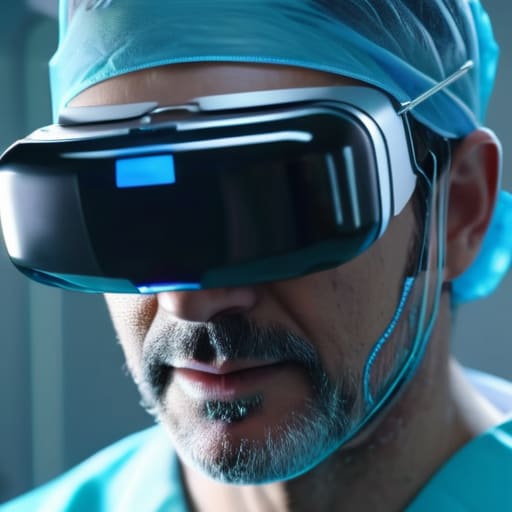
When we strip away the marketing gloss, we have to distinguish between tools that solve problems and gadgets that just demand our attention. I see a lot of companies rushing to build “virtual offices” that feel less like a workspace and more like a high-tech way to micromanage employees. That isn’t progress; it’s just digital noise. However, there is a real distinction to be made when we look at virtual reality training simulations. If a surgeon can practice a complex procedure in a risk-free, high-fidelity environment, or if a technician can master a dangerous repair without being in harm’s way, that is a legitimate win for human capability.
The goal shouldn’t be to live more of our lives online, but to use immersive technology use cases that bridge the gap between digital data and physical skill. We should be looking for metaverse enterprise solutions that actually reduce the friction of remote work, rather than adding layers of unnecessary complexity. If a tool doesn’t give you back time or provide a level of depth that a flat screen cannot, it probably doesn’t deserve a seat at your desk.
Virtual Reality Training Simulations That Actually Empower Humans
When I was working in HR, I saw firsthand how much anxiety a new hire feels during their first week on a factory floor or in a high-stakes medical setting. The “sink or swim” mentality is a relic we should have left in the nineties. This is where virtual reality training simulations actually earn their keep. Instead of reading a dry manual or watching a grainy video, a trainee can step into a controlled, high-fidelity environment to make mistakes where the only real consequence is a reset button. It’s about building muscle memory and psychological confidence without the physical risk.
However, we have to be careful that these tools don’t become a way for companies to automate away human mentorship. The real value in metaverse enterprise solutions isn’t just the tech itself, but how it can facilitate a more nuanced kind of skill transfer. If we use augmented reality integration to overlay real-time guidance onto a technician’s field of vision, we aren’t replacing the expert; we are augmenting the learner. We should be looking for ways to use these tools to bridge the gap between theory and practice, rather than just checking a digital box.
How to Spot a Useful Tool Before the Hype Swallows It
- Prioritize utility over novelty. Before investing in a metaverse platform, ask yourself: “Does this solve a specific friction point in my workday, or am I just buying an expensive headset to feel like I’m in a sci-fi movie?”
- Guard your cognitive load. Immersive environments are sensory-heavy by design. If a virtual workspace makes you feel more drained than a standard Zoom call, it’s not a productivity tool; it’s a distraction.
- Demand human-centric design. The best metaverse applications are those that bridge the gap between digital presence and physical comfort, not those that force you to sit in a rigid, uncomfortable virtual chair for eight hours straight.
- Look for asynchronous capabilities. True freedom in tech means being able to step away. Avoid platforms that require constant, real-time “presence” to be effective; you want tools that respect your need to disconnect and think deeply.
- Test for social substance. A virtual office shouldn’t just be a digital version of a cubicle farm. Use these spaces to foster the kind of spontaneous, human connection that video calls often strip away, rather than just replicating the same old corporate silos.
Cutting Through the Hype: My Three Rules for the Metaverse
Stop chasing the “new” for the sake of it. Before adopting any immersive tool, ask yourself if it solves a tangible human problem or if it’s just a high-tech distraction designed to keep eyes glued to a headset.
Prioritize skill-building over mere presence. The real value of the metaverse lies in simulations that provide safe, repeatable, and high-stakes training—not in virtual offices that just mimic the same draining meetings we have on Zoom.
Protect your boundaries. As these digital spaces become more seamless, we have to be intentional about when we plug in and when we step back. Technology should be a tool we pick up, not a world we get trapped in.
The Hype vs. The Human
“We need to stop asking what the metaverse can do for our bottom line and start asking what it actually does for our focus. If a digital space doesn’t grant us more agency or connection than a simple video call, it isn’t progress—it’s just expensive noise.”
Yvette Marchetti
Beyond the Hype Cycle

At the end of the day, we have to stop treating the metaverse like an inevitable tidal wave we just have to ride out. We’ve looked at how immersive training can actually bridge skill gaps and how certain digital spaces can foster genuine connection, but the distinction between utility and distraction remains razor-thin. If we aren’t careful, we’ll spend millions building high-fidelity digital playgrounds that ultimately leave us feeling more isolated than a standard Zoom call ever could. The goal shouldn’t be to see how much of our reality we can digitize, but rather to identify the specific, high-friction problems that these tools can actually solve without stripping away our agency.
As I sit here at my desk, looking at my physical planner and thinking about the tangible, tactile world I love to restore, I can’t help but feel that our best path forward is one of intentionality. We don’t need more “presence” if that presence comes at the cost of our actual lives. Let’s demand that the next wave of tech serves us, rather than us serving the platform. True innovation isn’t found in the loudest, brightest virtual room; it’s found in the tools that give us our time back and allow us to be more human, both online and off.
Frequently Asked Questions
How do we prevent these immersive workspaces from becoming just another way for companies to monitor our every move and micro-expression?
We have to draw a hard line between presence and surveillance. If a company uses spatial data to track how long you stare at a screen or how your pupils dilate during a meeting, they aren’t building a workspace; they’re building a panopticon. We need strict, transparent data governance that treats biometric info as private property. Real digital tools should give us autonomy, not turn our every micro-expression into a data point for a manager’s dashboard.
Is there a way to integrate this tech without sacrificing the physical, tactile connections that actually keep a team culture alive?
The short answer? Yes, but it requires intention. We can’t let the headset become a replacement for the coffee machine or the shared lunch. I see it as a “hybrid-tactile” approach: use VR for the heavy lifting—like complex technical training or spatial design—but keep your team culture rooted in the physical. Use the tech to solve problems, then step back into the real world to celebrate the wins together. Don’t let the digital drown out the human.
What happens to the people who aren't "digital natives"—are we accidentally building a professional world that leaves them behind?
This is the question that keeps me up at night. We’re sprinting toward a “digital-first” future without checking to see who’s being tripped up by the hurdles. When we swap human-led onboarding for a VR headset, we aren’t just changing tools; we’re changing the entry requirements for the workforce. If we don’t design these systems with accessibility and intuitive interfaces in mind, we aren’t innovating—we’re just building a high-tech velvet rope that shuts people out.