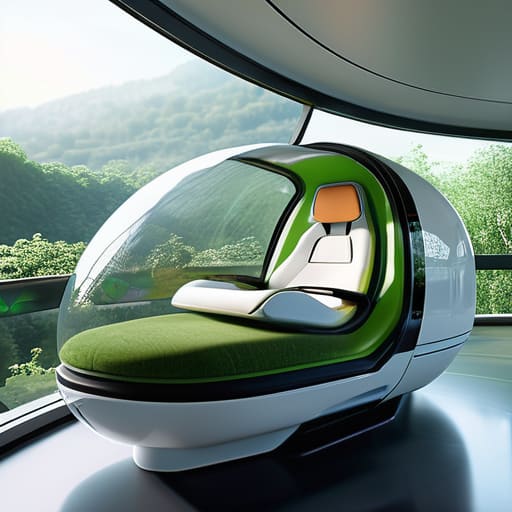
I was sitting at my kitchen table yesterday, sanding down the legs of a 1962 teak sideboard, when I realized I hadn’t actually traveled anywhere for work in months. Every time I scroll through tech headlines, I’m met with this breathless, shiny vision of the future of commuting—autonomous pods, hyperloop dreams, and AI-driven transit hubs that sound more like sci-fi sets than actual solutions for tired people. It’s all so incredibly loud, yet it says absolutely nothing about the quiet frustration of losing our sense of place or the sheer exhaustion of being “connected” while stuck in a moving metal box.
I’m not here to sell you on the latest gadget or a subscription to a way to travel faster. Instead, I want to look at what these shifts actually mean for our sanity and our schedules. We’re going to cut through the venture capital noise to figure out if these innovations are actually going to grant us more autonomy, or if they’re just building more efficient ways to burn out. This isn’t about chasing the next big thing; it’s about deciding which changes are worth our time and which ones are just digital clutter.
Table of Contents
The Remote Work Impact on Commuting Reclaiming Our Time

For years, the morning rush felt like an unavoidable tax on our sanity. We accepted the gridlock as a ritual of professional life, a necessary evil to prove we were “actually” working. But the sudden, massive shift in how we approach our desks has fundamentally altered that contract. The remote work impact on commuting isn’t just about fewer cars on the highway; it’s about the psychological reclamation of our most precious resource: time.
I’ve watched my own neighbors transform their morning chaos into something resembling a life. Instead of white-knuckling a steering wheel, they’re finally drinking coffee while it’s still hot or actually walking the dog. However, this shift also exposes the cracks in our current setup. As the traditional peak-hour surges flatten, we’re seeing a desperate need for better last mile connectivity solutions to serve those who don’t live in the downtown core but still need to move between home and local hubs. We can’t just assume the old ways will work in a decentralized world; we have to design for a lifestyle that values flexibility over presence.
Smart City Transportation Infrastructure Tool or Trap
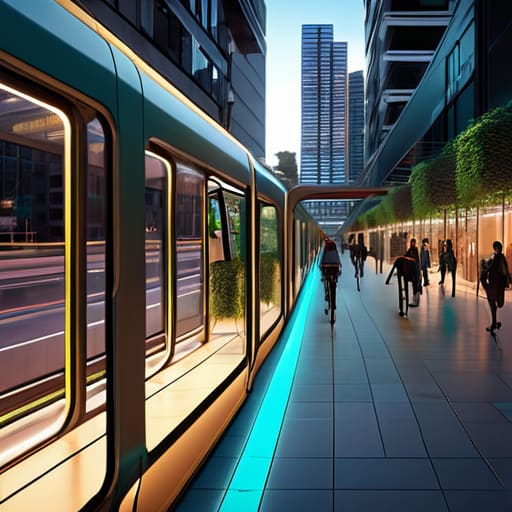
We’re being sold a vision of the future where every street corner is a data point and every bus ride is optimized by a central brain. On paper, smart city transportation infrastructure sounds like a dream—no more sitting in idling traffic or wondering if the train is actually coming. The idea of seamless multimodal transit systems that sync your bike share, subway, and walking routes into one fluid movement is undeniably seductive. It promises a city that breathes, rather than one that chokes on its own congestion.
But as someone who spent years watching corporate systems prioritize efficiency over people, I can’t help but feel a sense of hesitation. When we talk about “optimizing” movement, we’re often just talking about data collection. Are these high-tech grids being built to actually serve the commuter, or are they just sophisticated ways to monitor our every move? We talk a lot about sustainable urban mobility, but if the technology becomes so complex that it creates new barriers to entry, we haven’t actually solved the problem. We’ve just traded old-school traffic jams for new-age digital ones.
How to Keep Your Sanity While the Commute Evolves
- Prioritize “analog” windows in your transition. Whether you’re moving from a home office to a train or a car to a desk, don’t fill every spare second with a podcast or a scroll. Give your brain ten minutes of quiet to actually process the shift from “home mode” to “work mode.”
- Audit your tech before you adopt it. Just because a new transit app promises to shave three minutes off your trip doesn’t mean it’s worth the data privacy trade-off or the constant notification pings. If it adds more noise to your morning, it’s not a tool; it’s a distraction.
- Build a “commute toolkit” that isn’t digital. I’m talking about a physical book, a sketchbook, or even just a better pair of noise-canceling headphones. Having a tactile way to occupy your time makes the unpredictability of smart transit systems feel less like a loss of control.
- Reclaim the “middle ground” for personal growth. If the future of commuting means more time on autonomous shuttles or trains, don’t let that time be stolen by mindless scrolling. Use it for things that actually nourish you—reading, planning your week in that paper journal of mine, or just people-watching.
- Demand human-centric design from your city planners. As we move toward more automated and “smart” infrastructure, we have to keep asking: Is this making the journey easier for people, or just more efficient for the data collectors? Never stop advocating for transit that respects our need for dignity and ease.
The Bottom Line: Navigating the New Commute
We shouldn’t mistake “efficiency” for “freedom”; a faster commute is useless if it’s just more time spent tethered to a screen or a surveillance-heavy grid.
The shift toward remote work isn’t just a corporate trend, it’s a hard-won reclamation of our most finite resource: our time.
As we integrate more tech into our transit, we must demand systems that serve human needs rather than just feeding data back into an algorithm.
The Human Cost of Efficiency
“We keep designing smarter ways to move bodies from point A to point B, but we’re failing to ask if the destination is actually worth the digital friction we’re creating along the way.”
Yvette Marchetti
The Road Ahead
When we step back and look at the landscape, it’s clear that the future of commuting isn’t just about faster trains or sleeker autonomous pods. We’ve seen how remote work has already begun to dismantle the rigid, soul-crushing necessity of the daily trek, and we’ve questioned whether smart city tech is truly serving us or just collecting data. The real tension lies in whether these advancements will actually return our autonomy or simply optimize our lives for more efficiency at the cost of connection. We cannot let the allure of seamless, automated transit blind us to the importance of designing systems that prioritize human agency over mere throughput.
Ultimately, the goal shouldn’t be to build a world where we never have to think about how we get from point A to point B. Instead, we should strive for a future where our movement is intentional, sustainable, and, most importantly, liberating. As we stand on the cusp of this technological shift, I hope we choose the path that grants us more time for our families, our hobbies, and our quiet moments of reflection. Let’s ensure that as our vehicles get smarter, our lives get meaningfully larger, rather than just more crowded with digital noise. The future of movement must be about reclaiming our freedom, not just upgrading our hardware.
Frequently Asked Questions
If we lean too heavily into autonomous vehicles, are we actually gaining free time, or just becoming passive passengers in a more efficient way to waste our lives?
That’s the million-dollar question, isn’t it? If I’m sitting in a self-driving pod, staring at a screen while an algorithm handles the steering, I haven’t actually “gained” anything—I’ve just outsourced my agency. We risk trading the active, meditative rhythm of driving for a state of passive consumption. If we use that reclaimed time to breathe or create, it’s progress. But if we just fill the void with more digital noise, we’re just passengers in our own lives.
How do we ensure that "smart" transit systems don't end up creating a digital divide where only the tech-savvy or the wealthy can actually move through a city?
We have to stop treating “smart” transit like a luxury upgrade and start seeing it as a public utility. If a city moves to an app-only payment system or relies solely on high-end smartphones for real-time routing, it’s effectively redlining the elderly and the working class. True progress isn’t just about seamless algorithms; it’s about ensuring a person with a paper ticket or a basic flip phone can still get to work on time.
As the lines between "home" and "office" continue to blur, will we ever truly escape the pressure to be constantly reachable, even if our commute is only ten feet to a desk?
The short answer? Not unless we build digital fences. When your commute is just a walk across a rug, the psychological “reset” of a drive or a train ride vanishes. We’ve traded windshield time for endless Slack notifications. To survive this, we have to be intentional—creating ritualistic boundaries that signal the workday is over. If we don’t learn to disconnect, we aren’t reclaiming our time; we’re just working from a different corner of our cages.
