Author: Yvette Marchetti

  • Exploring the Various Applications of the Metaverse

    Exploring the Various Applications of the Metaverse

    I was sitting at my workbench last weekend, sanding down the legs of a 1960s teak sideboard, when my phone started buzzing with another “revolutionary” notification about the latest metaverse applications. Every tech evangelist on my feed seems convinced that we’re all about to abandon our physical lives for some shimmering, digital utopia. Honestly? It feels less like progress and more like a high-priced distraction. We’re being sold this idea that we need to inhabit these complex, expensive virtual worlds just to stay “relevant” in a changing economy, but I can’t help but wonder if we’re just buying into a shiny distraction from the actual problems in our workspace.

    I’m not here to tell you which headset to buy or to cheerlead for every new digital frontier. Instead, I want to look at these tools through a much more practical lens. Over the next few sections, I’m going to strip away the marketing jargon and examine how metaverse applications actually impact our productivity and our mental well-being. My goal is to help you decide if these tools are truly worth your time, or if they are simply adding noise to an already crowded digital life.

    Table of Contents

    Meaningful Immersive Technology Use Cases vs Digital Noise

    Meaningful Immersive Technology Use Cases vs Digital Noise

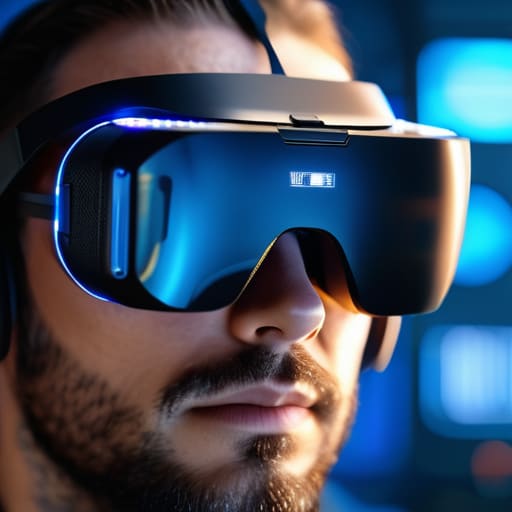
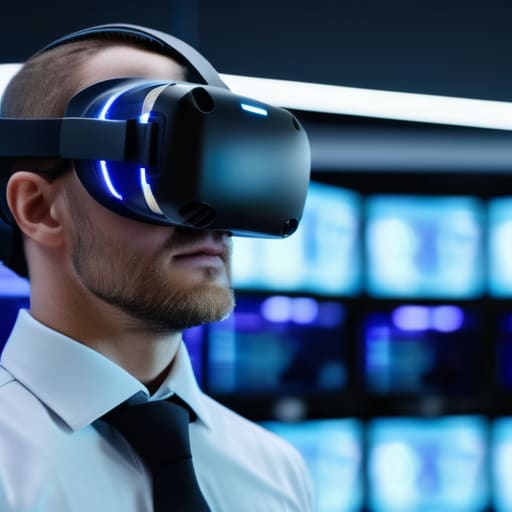
    When we strip away the marketing gloss, we have to distinguish between tools that solve problems and gadgets that just demand our attention. I see a lot of companies rushing to build “virtual offices” that feel less like a workspace and more like a high-tech way to micromanage employees. That isn’t progress; it’s just digital noise. However, there is a real distinction to be made when we look at virtual reality training simulations. If a surgeon can practice a complex procedure in a risk-free, high-fidelity environment, or if a technician can master a dangerous repair without being in harm’s way, that is a legitimate win for human capability.

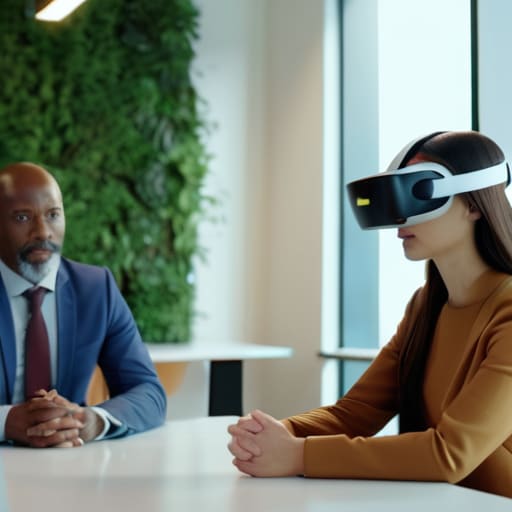
    The goal shouldn’t be to live more of our lives online, but to use immersive technology use cases that bridge the gap between digital data and physical skill. We should be looking for metaverse enterprise solutions that actually reduce the friction of remote work, rather than adding layers of unnecessary complexity. If a tool doesn’t give you back time or provide a level of depth that a flat screen cannot, it probably doesn’t deserve a seat at your desk.

    Virtual Reality Training Simulations That Actually Empower Humans

    Virtual Reality Training Simulations That Actually Empower Humans

    When I was working in HR, I saw firsthand how much anxiety a new hire feels during their first week on a factory floor or in a high-stakes medical setting. The “sink or swim” mentality is a relic we should have left in the nineties. This is where virtual reality training simulations actually earn their keep. Instead of reading a dry manual or watching a grainy video, a trainee can step into a controlled, high-fidelity environment to make mistakes where the only real consequence is a reset button. It’s about building muscle memory and psychological confidence without the physical risk.

    However, we have to be careful that these tools don’t become a way for companies to automate away human mentorship. The real value in metaverse enterprise solutions isn’t just the tech itself, but how it can facilitate a more nuanced kind of skill transfer. If we use augmented reality integration to overlay real-time guidance onto a technician’s field of vision, we aren’t replacing the expert; we are augmenting the learner. We should be looking for ways to use these tools to bridge the gap between theory and practice, rather than just checking a digital box.

    How to Spot a Useful Tool Before the Hype Swallows It

    • Prioritize utility over novelty. Before investing in a metaverse platform, ask yourself: “Does this solve a specific friction point in my workday, or am I just buying an expensive headset to feel like I’m in a sci-fi movie?”
    • Guard your cognitive load. Immersive environments are sensory-heavy by design. If a virtual workspace makes you feel more drained than a standard Zoom call, it’s not a productivity tool; it’s a distraction.
    • Demand human-centric design. The best metaverse applications are those that bridge the gap between digital presence and physical comfort, not those that force you to sit in a rigid, uncomfortable virtual chair for eight hours straight.
    • Look for asynchronous capabilities. True freedom in tech means being able to step away. Avoid platforms that require constant, real-time “presence” to be effective; you want tools that respect your need to disconnect and think deeply.
    • Test for social substance. A virtual office shouldn’t just be a digital version of a cubicle farm. Use these spaces to foster the kind of spontaneous, human connection that video calls often strip away, rather than just replicating the same old corporate silos.

    Cutting Through the Hype: My Three Rules for the Metaverse

    Stop chasing the “new” for the sake of it. Before adopting any immersive tool, ask yourself if it solves a tangible human problem or if it’s just a high-tech distraction designed to keep eyes glued to a headset.

    Prioritize skill-building over mere presence. The real value of the metaverse lies in simulations that provide safe, repeatable, and high-stakes training—not in virtual offices that just mimic the same draining meetings we have on Zoom.

    Protect your boundaries. As these digital spaces become more seamless, we have to be intentional about when we plug in and when we step back. Technology should be a tool we pick up, not a world we get trapped in.

    The Hype vs. The Human

    “We need to stop asking what the metaverse can do for our bottom line and start asking what it actually does for our focus. If a digital space doesn’t grant us more agency or connection than a simple video call, it isn’t progress—it’s just expensive noise.”

    Yvette Marchetti

    Beyond the Hype Cycle

    Finding real utility Beyond the Hype Cycle.

    At the end of the day, we have to stop treating the metaverse like an inevitable tidal wave we just have to ride out. We’ve looked at how immersive training can actually bridge skill gaps and how certain digital spaces can foster genuine connection, but the distinction between utility and distraction remains razor-thin. If we aren’t careful, we’ll spend millions building high-fidelity digital playgrounds that ultimately leave us feeling more isolated than a standard Zoom call ever could. The goal shouldn’t be to see how much of our reality we can digitize, but rather to identify the specific, high-friction problems that these tools can actually solve without stripping away our agency.

    As I sit here at my desk, looking at my physical planner and thinking about the tangible, tactile world I love to restore, I can’t help but feel that our best path forward is one of intentionality. We don’t need more “presence” if that presence comes at the cost of our actual lives. Let’s demand that the next wave of tech serves us, rather than us serving the platform. True innovation isn’t found in the loudest, brightest virtual room; it’s found in the tools that give us our time back and allow us to be more human, both online and off.

    Frequently Asked Questions

    How do we prevent these immersive workspaces from becoming just another way for companies to monitor our every move and micro-expression?

    We have to draw a hard line between presence and surveillance. If a company uses spatial data to track how long you stare at a screen or how your pupils dilate during a meeting, they aren’t building a workspace; they’re building a panopticon. We need strict, transparent data governance that treats biometric info as private property. Real digital tools should give us autonomy, not turn our every micro-expression into a data point for a manager’s dashboard.

    Is there a way to integrate this tech without sacrificing the physical, tactile connections that actually keep a team culture alive?

    The short answer? Yes, but it requires intention. We can’t let the headset become a replacement for the coffee machine or the shared lunch. I see it as a “hybrid-tactile” approach: use VR for the heavy lifting—like complex technical training or spatial design—but keep your team culture rooted in the physical. Use the tech to solve problems, then step back into the real world to celebrate the wins together. Don’t let the digital drown out the human.

    What happens to the people who aren't "digital natives"—are we accidentally building a professional world that leaves them behind?

    This is the question that keeps me up at night. We’re sprinting toward a “digital-first” future without checking to see who’s being tripped up by the hurdles. When we swap human-led onboarding for a VR headset, we aren’t just changing tools; we’re changing the entry requirements for the workforce. If we don’t design these systems with accessibility and intuitive interfaces in mind, we aren’t innovating—we’re just building a high-tech velvet rope that shuts people out.

  • How Modern Office Design Affects Employee Productivity

    How Modern Office Design Affects Employee Productivity

    I spent fifteen years in corporate HR, and if there is one thing I’ve learned, it’s that most modern office design is nothing more than expensive theater. I’ve sat through countless “innovation summits” where companies spent millions on open-plan layouts and neon-colored beanbags, all under the guise of fostering “collaboration.” In reality, they just traded quiet focus for a constant, draining stream of unsolicited noise. We’ve been sold this idea that a flashy, tech-heavy environment automatically equals productivity, but I’ve seen more brilliance happen in a cramped, dimly lit cubicle than in a thousand glass-walled “collaboration hubs” that offer zero privacy.

    I’m not here to sell you on the latest architectural gimmick or tell you that you need a smart-desk to be successful. Instead, I want to talk about how we can build spaces that actually respect your autonomy. Over the next few sections, I’ll be sharing my pragmatic, no-nonsense approach to creating environments that prioritize human focus over high-tech distraction. We’re going to look at how to design for real-world presence, ensuring your workspace serves your brain rather than just looking good in a recruitment brochure.

    Table of Contents

    Beyond Modern Workspace Aesthetics Designing for Real Human Presence

    Beyond Modern Workspace Aesthetics Designing for Real Human Presence

    We’ve become so obsessed with the “look” of a workspace—the sleek lines, the polished concrete, the curated minimalism—that we often forget the people who actually have to sit in it for eight hours a day. It’s easy to fall in love with modern workspace aesthetics, but a beautiful office that leaves you with a nagging tension in your neck or a headache from the fluorescent glare isn’t a triumph; it’s a failure. We need to stop treating our desks like museum exhibits and start treating them like tools. This means prioritizing ergonomic office furniture that actually supports the human spine, rather than just looking good in a LinkedIn headshot.

    Beyond the physical comfort, there is the invisible element: the psychological need for sanctuary. We talk endlessly about collaborative work zones to foster “synergy,” yet we rarely discuss the cost of losing our ability to focus. If your layout doesn’t offer a way to retreat from the constant hum of activity, you aren’t designing for productivity; you’re designing for exhaustion. True presence requires a balance between the social energy of the team and the quiet dignity of solitude.

    Choosing Ergonomic Office Furniture That Respects the Bodys Limits

    Choosing Ergonomic Office Furniture That Respects the Bodys Limits.

    We’ve all seen the catalogs: sleek, ultra-minimalist chairs that look like pieces of sculpture but leave you feeling like you’ve been folded into a pretzel by 3:00 PM. There is a growing temptation to prioritize modern workspace aesthetics over actual physical longevity, but a chair that looks good on Instagram won’t help you when your lower back starts screaming during a deadline. When I’m restoring an old teak sideboard, I look for structural integrity; I think we need to apply that same scrutiny to our desks and seating.

    Investing in high-quality ergonomic office furniture isn’t about following a trend; it’s about acknowledging that our bodies weren’t built to be static components in a digital machine. Look for adjustable lumbar support and armrests that actually move, rather than those fixed plastic bits that claim to be “one size fits all.” We need tools that adapt to our shifting posture throughout the day, not furniture that forces us to conform to its rigid geometry. Real comfort is found in flexibility and support, not in how much a piece of furniture costs.

    Five Ways to Design a Space That Actually Works for You

    • Prioritize “Analog Zones” where technology is intentionally left at the door. Even in a digital-first world, your brain needs a dedicated corner—a simple desk or a comfortable chair—where the only thing allowed is a notebook, a pen, and your own thoughts.
    • Master the art of lighting layers. Relying solely on harsh overhead LEDs is a recipe for a midday headache; instead, mix natural light with warm, adjustable task lamps to signal to your body when it’s time to focus and when it’s time to wind down.
    • Audit your “visual noise” before buying more gear. We often think a cluttered desk is a sign of productivity, but a chaotic environment usually leads to a chaotic mind. Keep your immediate field of vision clear of anything that doesn’t serve a functional or deeply restorative purpose.
    • Invest in acoustic privacy, not just open floor plans. The trend of “collaborative” open offices often just results in constant distraction. Whether it’s a high-quality noise-canceling headset or a strategically placed rug to dampen sound, protect your ability to enter a state of deep work.
    • Bring the outside in, but keep it intentional. A few well-placed plants aren’t just decor; they provide a subtle, grounding connection to the natural world that helps mitigate the sterile feeling of a tech-heavy environment. Just don’t turn your office into a jungle if you’re the one who has to maintain it.

    The Bottom Line: Designing for Life, Not Just Work

    Prioritize sensory control over high-tech gimmicks; a workspace that allows you to manage light, sound, and temperature will always serve your focus better than a “smart” gadget that just adds another notification to your day.

    Invest in furniture that supports movement rather than just stillness; true ergonomics isn’t about finding one perfect, rigid position, but about creating a setup that lets your body shift and breathe throughout the afternoon slump.

    Build spaces for intentionality, not just occupancy; whether it’s a quiet corner for deep thought or a tactile surface for a physical planner, your office should facilitate the kind of presence that digital tools often strip away.

    The Trap of the "Smart" Office

    We’ve become so obsessed with making offices “smart” with sensors and automated connectivity that we’ve forgotten the most basic requirement of a workspace: it needs to feel like a place where a person can actually exist, not just a node in a network.

    Yvette Marchetti

    Designing for the Human at the Desk

    Designing for the Human at the Desk.

    At the end of the day, designing an office isn’t about curating a Pinterest-perfect showroom or chasing the latest smart-tech gadgets that promise to automate your productivity. It’s about the quiet, practical realities we face between nine and five: the need for a chair that doesn’t leave your back aching by noon, a layout that respects your need for deep focus, and a space that actually allows for genuine human connection rather than just forced proximity. We’ve spent far too long letting technology dictate our environments, forgetting that a workspace is ultimately a tool meant to serve us, not the other way around. If your office setup feels more like a high-tech obstacle course than a sanctuary for thought, it’s time to rethink the blueprint.

    As we move further into this era of digital saturation, I encourage you to be intentional about the physical boundaries you set. Don’t just buy what’s trending; build a space that honors your physical limits and your mental clarity. Real progress in the workplace isn’t found in a faster processor or a more seamless cloud integration, but in how much freedom and agency your environment grants you to do your best work. Let’s stop building offices that just look efficient on a screen and start designing spaces that actually feel human.

    Frequently Asked Questions

    How do I balance the need for high-tech tools with a layout that doesn't feel like a sterile, distracting data center?

    Think of your office like my mid-century sideboard: the tech is the hardware, but the soul comes from the texture. Don’t hide your tools, but don’t let them dominate the visual field either. Use “analog anchors”—a real wooden desk, a soft lamp, or even a physical planner—to break up the glass and steel. If a gadget doesn’t actively serve your focus, it’s just noise. Design for the person, not the processor.

    Is it actually possible to create a collaborative office space that doesn't sacrifice the quiet, deep-focus time we all need?

    It is, but only if you stop treating “collaboration” and “focus” like they’re mutually exclusive. The mistake most companies make is building a giant, open-concept playground and wondering why no one gets anything done. You need a hybrid rhythm: high-energy zones for the brainstorming noise, and strictly protected “quiet pods” or library-style areas for deep work. Real productivity isn’t about being constantly available; it’s about having the agency to choose your environment.

    When investing in a home office, should I prioritize expensive ergonomic gear or the psychological comfort of my physical environment?

    It’s a false dichotomy, though I get why it feels that way. If your back is screaming because of a cheap chair, you won’t find “zen” in a beautiful room. But if you’re sitting in a $1,500 ergonomic throne surrounded by sterile, soul-sucking white walls, you’ll burn out by noon. My advice? Buy the decent chair first—your spine is non-negotiable—then layer in the psychological comfort. A few plants and good lighting go much further than high-end gadgets.

  • Recent Innovations Shaping the Fintech Landscape

    Recent Innovations Shaping the Fintech Landscape

    I was sitting at my kitchen table last Tuesday, surrounded by half-restored teak joints and a mountain of receipts, when I realized I had spent forty minutes trying to navigate a “seamless” banking app that refused to recognize my face. It’s the great irony of modern fintech innovation: we are promised frictionless, lightning-fast autonomy, yet we often end up trapped in a loop of digital troubleshooting just to move our own money. We’ve been sold this glossy vision of a cashless, automated utopia, but most of these “disruptive” tools feel less like freedom and more like another layer of cognitive load we never asked for.

    I’m not here to pitch you on the next shiny unicorn or tell you that decentralized finance is going to save the world by next Tuesday. Instead, I want to look past the venture capital hype and ask a much more practical question: does this tool actually give you more control over your life, or is it just adding to the noise? In this series, I’ll be stripping away the jargon to provide a grounded, no-nonsense look at how these financial shifts actually impact our stability and our sanity.

    Table of Contents

    Artificial Intelligence in Fintech Tool or Replacement

    Artificial Intelligence in Fintech Tool or Replacement

    Lately, my inbox has been flooded with breathless predictions about how artificial intelligence in fintech is going to render human advisors obsolete. On paper, the efficiency is staggering—algorithms can scan thousands of transactions in milliseconds to flag fraud or optimize a portfolio. But as someone who spent years in HR watching automated systems fail to account for human nuance, I can’t help but feel a sense of hesitation. There is a massive difference between a tool that calculates risk and a partner that understands a person’s actual life circumstances.

    The danger isn’t necessarily the tech itself, but the temptation to let it run on autopilot. We see these massive leaps in regulatory technology advancements designed to streamline compliance, yet we often overlook the “black box” problem: if an AI makes a life-altering financial decision for you, can you actually explain why? We shouldn’t be trading our agency for mere convenience. If these tools are going to be useful, they need to serve as a sophisticated compass, not a pilot that we’ve completely surrendered control to.

    Blockchain in Financial Services Reclaiming Our Digital Autonomy

    Blockchain in Financial Services Reclaiming Our Digital Autonomy

    Whenever I hear the word “blockchain,” my mind immediately goes to the speculative frenzy of the last few years—the crypto-bros and the overnight millionaires. But if we strip away the hype, there’s a much more grounded conversation to be had about blockchain in financial services. At its core, this isn’t just about digital coins; it’s about the ledger. For someone who spent years in HR navigating bureaucratic paper trails, the idea of a transparent, immutable record is actually quite appealing. It offers a way to verify transactions without needing a massive, slow-moving institution to act as the sole gatekeeper.

    However, we have to be careful. While decentralized finance trends promise to hand the keys back to the individual, I worry we might be trading one set of masters for another if we aren’t vigilant. True autonomy means having control over your data and your assets, not just moving from a traditional bank to a complex, unreadable smart contract that you don’t fully understand. We need to ensure these tools actually simplify our financial lives rather than just adding a new layer of technical complexity that leaves most people behind.

    How to Stay Human in a High-Tech Financial World

    • Prioritize transparency over “magic.” When a new app promises to automate your entire financial life, look for the fine print. If they can’t explain how their algorithm makes a decision in plain English, don’t hand them the keys to your bank account.
    • Maintain a “manual” backup. Just as I refuse to ditch my paper planner, I keep a simple, offline record of my major financial moves. Digital tools are great until a server goes down or an account gets locked by an automated system that doesn’t know you.
    • Beware of the “frictionless” trap. Fintech companies love to remove every bit of friction from spending, but that friction is often what keeps us mindful. If a payment is too easy, you lose the psychological connection to the money leaving your pocket.
    • Audit your digital footprint regularly. Innovation often comes at the cost of privacy. Periodically check which fintech platforms have access to your data and revoke permissions for anything that doesn’t provide immediate, tangible value to your life.
    • Use technology to save time, not to fill it. The goal of a better budgeting tool should be to give you ten minutes of peace, not to keep you scrolling through transaction feeds. If a tool makes you feel more anxious about your money, it isn’t working.

    Cutting Through the Fintech Noise

    We need to stop treating every new financial tool as an inevitability and start asking if it actually serves our long-term stability or just creates more digital friction.

    True innovation shouldn’t mean handing over our decision-making to an algorithm; it should mean using smarter data to regain control over our own financial futures.

    As the lines between tech and banking blur, our goal should be to find tools that offer genuine freedom rather than just more ways to be tethered to a screen.

    The True Cost of Convenience

    “We need to stop asking how fast a new financial tool can move and start asking who actually holds the reins once it’s in our hands. If an innovation makes banking seamless but strips away our ability to understand or control our own money, it isn’t progress—it’s just a more efficient way to lose our grip on reality.”

    Yvette Marchetti

    The Bottom Line

    The Bottom Line of fintech innovation.

    At the end of the day, we have to stop viewing fintech innovation as an unstoppable tidal wave and start seeing it as a set of tools that we are responsible for wielding. We’ve looked at how AI threatens to strip the human element out of financial advice and how blockchain offers a glimmer of hope for decentralized control. Whether we are navigating automated credit scoring or digital ledgers, the core tension remains the same: are these advancements serving us, or are we merely becoming more efficient data points in someone else’s algorithm? We cannot afford to be passive consumers; we must remain critically engaged with every new layer of automation that enters our wallets and our workflows.

    My hope is that we move toward a future where technology acts as a quiet scaffold for our lives rather than a loud, demanding centerpiece. Real progress shouldn’t feel like a frantic race to keep up with the latest app update; it should feel like gaining back your time and your agency. As we move forward, let’s prioritize the innovations that actually simplify our existence and protect our privacy, rather than those that simply create more digital noise. Let’s choose the tools that give us more freedom to live our lives, not just more ways to be tracked by them.

    Frequently Asked Questions

    How do we ensure that these automated financial tools don't end up stripping away the human oversight needed when things inevitably go wrong?

    We can’t treat automation like a “set it and forget it” solution. To keep the human element intact, we need to build “friction points” into these systems—intentional pauses where a person actually has to review a decision. It’s about designing for accountability, not just efficiency. We need clear escalation paths where a real human, not a chatbot, takes the wheel when the algorithm hits a wall. Efficiency is great, but oversight is what keeps us safe.

    As we move toward more decentralized finance, are we actually gaining more control, or are we just trading old banking gatekeepers for new, unregulated algorithms?

    That’s the million-dollar question, isn’t it? On paper, decentralization promises to cut out the middleman, but we have to be careful. We aren’t necessarily escaping gatekeepers; we’re just swapping human bankers—who, for all their flaws, are somewhat accountable—for black-box algorithms that don’t care if you make a mistake. If we aren’t vigilant, we aren’t gaining autonomy; we’re just handing our agency over to code that no one can actually talk back to.

    At what point does the convenience of "frictionless" digital payments start costing us our ability to be mindful and intentional with our spending?

    It starts the moment you stop feeling the transaction. When a payment is just a thumbprint or a silent tap, the psychological “pain of paying” vanishes. We’re trading the mindful pause—that split second where you actually weigh a purchase—for pure, mindless speed. If we aren’t even aware we’re spending, we aren’t making choices anymore; we’re just reacting to impulses. Convenience shouldn’t come at the expense of our financial agency.

  • The Influence of 5g on Mobile Connectivity

    The Influence of 5g on Mobile Connectivity

    I was sitting in my workshop last Tuesday, sanding down the legs of a 1962 teak sideboard, when my phone started screaming with notifications about the latest rollout. Every tech blog is currently drowning in breathless speculation about the g network impact, painting a picture of a seamless, hyper-connected utopia that sounds more like a surveillance dream than a lifestyle upgrade. They talk about speed as if it’s the only metric that matters, but they never stop to ask if we actually need everything to happen at the speed of light, or if we’re just building a faster treadmill that we can’t step off of.

    I’m not here to sell you on the shiny new toy or recite a press release. Instead, I want to look at how this shift actually settles into our homes, our offices, and our mental bandwidth. My promise to you is simple: I’ll strip away the marketing jargon to examine the real-world consequences of this connectivity. We are going to figure out how to harness this tech to serve our lives, rather than letting the g network impact turn our precious focus into nothing more than digital noise.

    Table of Contents

    5g Technology Benefits Freedom or New Digital Shackles

    5g Technology Benefits Freedom or New Digital Shackles

    On paper, the 5G technology benefits look like a dream for anyone tired of the spinning loading icon. We’re promised a massive leap in network bandwidth evolution that should, in theory, make our digital lives seamless. I’ve seen the specs: the promise of low latency communication means everything from remote surgery to self-driving cars becomes a reality. It’s the kind of technological leap that makes you think we’re finally breaking free from the lag that has tethered us to our desks for decades.

    But as I sat in a local coffee shop yesterday, watching everyone hunched over their devices, I couldn’t help but wonder if this next-generation wireless infrastructure is actually designed to set us free. While the IoT connectivity expansion will undoubtedly make our homes “smarter,” there is a fine line between a connected life and a life that is constantly monitored. If every device in our vicinity is talking to every other device in real-time, we aren’t just gaining speed; we might be building a more efficient cage. Are we gaining autonomy, or just more sophisticated ways to be interrupted?

    Network Bandwidth Evolution and the Loss of Quietude

    Network Bandwidth Evolution and the Loss of Quietude.

    We talk a lot about the raw speed of next-generation wireless infrastructure, but we rarely talk about the psychological cost of that speed. As we move through this period of network bandwidth evolution, the sheer volume of data being pushed through the air is staggering. It isn’t just about downloading a movie faster; it’s about the fact that everything—from your toaster to your neighbor’s doorbell—is now constantly screaming for attention. We are building a world that never sleeps and, more importantly, never goes silent.

    When we look at 5G vs 4G performance, the technical leap is undeniable. The low latency communication makes everything feel instantaneous, which is great for a surgeon performing remote surgery or a self-driving car avoiding an obstacle. But in our everyday lives, that same lack of lag means there is no longer a buffer between a notification and our immediate reaction. We’ve traded the “loading” icon for a state of perpetual digital urgency. We are becoming more connected than ever, yet I can’t help but wonder if we are losing the ability to simply exist without being interrupted.

    Reclaiming Your Autonomy in a Hyper-Connected World

    • Audit your notifications like you’d audit a budget. Just because a 5G connection makes it possible to receive an alert every millisecond doesn’t mean you should allow it. If it isn’t essential, silence it.
    • Establish “analog zones” in your home. I’ve found that keeping my mid-century reading chair a tech-free space helps me remember that high-speed data isn’t a prerequisite for deep thought.
    • Beware the “efficiency trap.” We often mistake the ability to do things faster for the ability to do things better. Use the increased bandwidth to finish your work sooner, not just to cram more digital noise into your day.
    • Practice intentional connectivity. Before you jump onto the next high-speed wave, ask yourself if you are using the tool, or if the tool is using you to harvest your attention.
    • Protect your cognitive bandwidth. High-speed networks are designed to keep us scrolling, but real mental clarity requires the friction of slow, deliberate thinking. Don’t let the speed of the network dictate the speed of your mind.

    The Bottom Line: Reclaiming Control in a Hyper-Connected World

    We have to stop equating “faster” with “better” and start asking if increased bandwidth is actually serving our needs or just fueling a cycle of constant, unnecessary distraction.

    Connectivity should be a tool that grants us mobility and autonomy, not a tether that ensures we are perpetually reachable and perpetually “on.”

    Real progress isn’t found in the specs of the next network rollout, but in our ability to set boundaries that protect our focus and our human need for quiet.

    The Speed Paradox

    We’re being sold the promise of seamless connection, but I can’t help but wonder if we’re just building a faster way to be perpetually interrupted. If a network can reach every corner of our lives in a millisecond, we have to ask ourselves: are we gaining more access, or are we just losing the ability to be truly unreachable?

    Yvette Marchetti

    Finding the Middle Ground

    Finding the Middle Ground in digital connectivity.

    At the end of the day, the rollout of these high-speed networks isn’t just a technical milestone; it’s a fundamental shift in how we inhabit our own lives. We’ve looked at how the promise of seamless connectivity often masks a reality of constant digital noise and how the sheer bandwidth available to us can feel less like a tool and more like a leash. We have to acknowledge that while the speed is impressive, the cost is often our ability to disconnect and find stillness. If we aren’t careful, we’ll find ourselves living in a world that is hyper-connected but deeply fragmented, where we are always “on” but never truly present.

    My advice? Don’t let the specs and the hype do the thinking for you. As we move into this next era of connectivity, I want us to prioritize intentionality over immediacy. Use the technology to bridge distances and solve real problems, but don’t let it dictate the rhythm of your heartbeat or the boundaries of your home. Real progress shouldn’t be measured by how many gigabits we can shove through the air, but by how much control we retain over our own attention. Let’s make sure we are using these networks to expand our world, not just to fill every quiet corner of it.

    Frequently Asked Questions

    How do we prevent the constant connectivity of these networks from eroding our ability to actually disconnect and find mental stillness?

    We have to stop treating “always-on” as a badge of honor and start treating boundaries as a survival skill. For me, it’s about intentional friction. I’ve started leaving my phone in another room an hour before bed and using a physical planner to reclaim my focus. We need to build digital fences—not just through app limits, but through a conscious decision to let the world spin without us for a while.

    Is the push for universal high-speed coverage creating a new kind of digital divide for those who prefer—or need—to live more analog lives?

    It feels like we’re building a world where being “offline” is becoming a luxury most can’t afford. As we push for universal high-speed coverage, we aren’t just connecting people; we’re implicitly mandating participation. If you choose a slower, more intentional, or analog pace, you’re increasingly treated as a glitch in the system. We have to ask: are we expanding access, or are we just making it impossible to opt out?

    As our infrastructure becomes more seamless, how much of our personal autonomy are we trading away for the sake of sheer convenience?

    It’s a heavy trade-off. We’re essentially swapping our agency for a frictionless existence. Every time a seamless network anticipates our next move or automates a decision, we lose a tiny bit of our capacity to choose. Convenience feels like freedom, but true autonomy requires friction—the ability to step back, disconnect, and act without being nudged by an algorithm. We have to decide if “easy” is worth the cost of being constantly steered.

  • Using Wearable Devices to Track Physical Activity

    Using Wearable Devices to Track Physical Activity

    I was sitting in my workshop last Sunday, sanding down the legs of a mid-century teak sideboard, when my wrist started buzzing with a frantic, rhythmic vibration. My smartwatch was informing me—with the unearned confidence of a drill sergeant—that I hadn’t met my movement goal for the afternoon. I looked at the sawdust on my hands, felt the actual ache in my lower back, and realized I was being lectured by a piece of silicon. This is the central absurdity of modern fitness tracking: we’ve become so obsessed with optimizing the metrics that we’ve stopped actually feeling our own bodies. We’re outsourcing our intuition to a glowing ring on our wrists, trading real physiological awareness for a digital gold star.

    I’m not here to tell you which $500 gadget has the most sensors or which app has the slickest interface. Instead, I want to talk about how to reclaim your agency. Over the next few minutes, I’m going to share a pragmatic framework for using data without letting it hijack your autonomy. We’ll explore how to treat these devices as tools for curiosity rather than absolute authorities, ensuring that technology serves your health instead of just adding to the digital noise.

    Table of Contents

    Beyond Smartwatch Biometric Sensors and Constant Noise

    Beyond Smartwatch Biometric Sensors and Constant Noise.

    We’ve reached a point where we’re being pelted with data from every direction. It’s not just the occasional glance at a wrist; it’s the constant, low-grade hum of smartwatch biometric sensors demanding our attention. We wake up to a report on our sleep quality tracking technology, only to spend the rest of the day chasing a specific number of steps or a target for caloric expenditure analysis. It feels less like self-improvement and more like managing a second job that we never applied for.

    The problem isn’t the accuracy of the hardware—it’s the psychological weight of the “always-on” feedback loop. When we rely solely on real-time heart rate monitoring to tell us if we’re stressed, we stop listening to the actual physical sensations in our own chests. We’ve outsourced our intuition to a piece of silicon. If we aren’t careful, we’ll find ourselves trapped in a cycle of optimizing for the metric rather than actually feeling better. We need to decide if these tools are serving our well-being or if we’ve simply become data points in someone else’s ecosystem.

    When Personalized Wellness Metrics Overwhelm Our Intuition

    When Personalized Wellness Metrics Overwhelm Our Intuition.

    I’ve spent the last week watching my neighbor struggle with her new wearable. She’ll wake up feeling refreshed, only to stare at her phone with a frown because her sleep quality tracking technology insisted she had a restless night. It’s a subtle, creeping phenomenon: we are outsourcing our internal compass to a piece of silicon. When we rely too heavily on personalized wellness metrics, we stop asking ourselves how we actually feel and start asking what the dashboard says.

    This disconnect creates a strange kind of cognitive dissonance. You might be mid-run, lungs burning and legs feeling strong, but if your real-time heart rate monitoring suggests you’re pushing too hard, you suddenly feel the urge to slow down or stop. We’ve reached a point where we prioritize the data point over the physical sensation. It’s a dangerous trade-off. If we let these devices become the final authority on our well-being, we risk losing the very thing they are supposed to protect: our connection to our own bodies.

    Reclaiming Your Autonomy: Five Ways to Use Data Without Losing Yourself

    • Treat your wearable like a weather report, not a command. A forecast might tell you it’s going to rain, but it shouldn’t tell you whether or not you’re allowed to go for a walk. Use the data as a reference point, but let your actual physical sensations make the final call.
    • Set “analog windows” in your day. If you’re feeling particularly burnt out or disconnected, leave the watch on the nightstand. You don’t need a haptic buzz to tell you that you’ve been sitting at a desk for too long; you can feel that in your shoulders.
    • Curate your notifications to kill the noise. If your device is pinging you every time you take a step or hit a minor milestone, it’s no longer a tool—it’s a distraction. Turn off everything except the metrics that actually help you make informed decisions about your health.
    • Stop chasing the “perfect” number. I see so many people obsessing over their sleep scores or heart rate variability as if they’re passing a standardized test. These are trends and averages, not absolute truths. A bad sleep score doesn’t mean you had a bad night; it’s just a data point.
    • Focus on the “Why” behind the metric. Are you tracking your steps because you actually want to move more, or because you’re afraid of seeing a low number at the end of the week? If the data is driving anxiety instead of intentionality, it’s time to recalibrate your approach.

    Finding the Balance Between Data and Instinct

    Use your wearable as a compass, not a commander; let the data offer suggestions, but never let it override your own physical sensations.

    Prioritize meaningful metrics over sheer volume; tracking every single heartbeat and step creates digital noise that often obscures actual health progress.

    Reclaim your autonomy by setting boundaries with your devices, ensuring that technology serves your well-being instead of turning your life into a relentless optimization project.

    The Data Trap

    We’ve traded the wisdom of our own bodies for a series of colorful rings and heart-rate graphs, forgetting that a high step count doesn’t mean much if you’ve lost the ability to listen to your own exhaustion.

    Yvette Marchetti

    Reclaiming the Human Element

    Reclaiming the Human Element through mindful wellness.

    At the end of the day, we have to stop treating our bodies like hardware that needs constant debugging. We’ve spent the last few sections dissecting how biometric sensors can provide incredible insights, but we’ve also seen how easily that data can turn into a source of anxiety rather than a tool for growth. If you find yourself feeling guilty because your ring says you didn’t sleep well—even though you feel rested—then the technology has stopped serving you and has started managing you. The goal isn’t to achieve a perfect score on an app; it’s to use these digital breadcrumbs to build a more nuanced understanding of our own physical rhythms.

    My advice is simple: use the data, but keep your intuition in the driver’s seat. Technology should be a compass, not a GPS that refuses to let you take a detour. When you go for a walk or finish a workout, take a second to actually feel your lungs and your muscles before you check your stats. Real health isn’t found in a dashboard or a colorful progress ring; it’s found in that quiet, unmediated connection between your mind and your body. Let’s make sure we are using these tools to enhance our freedom, rather than letting them build a digital cage around our well-being.

    Frequently Asked Questions

    How do I tell the difference between a genuine health warning from my wearable and just a spike in data caused by a bad night's sleep or a stressful workday?

    Look for the pattern, not the spike. A single morning of low HRV or a restless night is just noise—it’s your body reacting to a deadline or a heavy meal. Don’t panic over one bad data point. A genuine warning is a trend: if your resting heart rate climbs steadily over three days or your sleep quality drops consistently, that’s your body asking for a real intervention. Listen to the trend, but trust your gut first.

    At what point does tracking my metrics stop being a tool for wellness and start becoming a source of digital anxiety?

    It happens the moment you start checking your stats before you even check in with yourself. If you wake up feeling rested, but your ring tells you your “readiness score” is low—and you let that score dictate your mood for the day—you’ve crossed the line. When the data stops being a conversation starter and starts being a command, it’s no longer a tool. It’s a digital leash.

    If we move toward more integrated biometric monitoring, how do we protect our personal health data from being used by employers to judge our productivity?

    This is where my old HR instincts kick in, and frankly, they’re screaming. If we aren’t careful, “wellness programs” become Trojan horses for surveillance. To protect yourself, demand strict data silos: your biometric data should live in your private ecosystem, not your company’s dashboard. Always check the fine print on consent. We need to draw a hard line between health support and performance monitoring before “optimization” becomes just another word for workplace policing.

  • The Evolution of Online Learning for Professionals

    The Evolution of Online Learning for Professionals

    I was sitting at my dining table last Tuesday, surrounded by half-finished sanding projects and a stack of old HR manuals, when I realized I’d spent forty-five minutes staring at a progress bar on a “revolutionary” certification course. We’ve been sold this glossy, frictionless dream that online learning is the ultimate equalizer—a way to upskill without the messiness of human interaction. But let’s be honest: most of these platforms feel less like a gateway to knowledge and more like a digital treadmill designed to keep you clicking, paying, and scrolling without actually absorbing a single thing.

    I’m not here to sell you on the latest EdTech miracle or tell you that a screen can replace a mentor. Instead, I want to pull back the curtain on what actually works when you’re trying to grow in a world that won’t stop shouting about “disruption.” I’ll be sharing my own hard-won lessons on how to navigate these digital waters so you can reclaim your time and focus on genuine mastery, rather than just collecting badges to satisfy an algorithm.

    Table of Contents

    Beyond Digital Learning Platforms Finding Real Intellectual Freedom

    Beyond Digital Learning Platforms Finding Real Intellectual Freedom

    The problem with many digital learning platforms is that they are designed for efficiency, not necessarily for depth. We’ve become so accustomed to the convenience of asynchronous learning models—clicking through modules at 11 PM while our brains are half-asleep—that we’ve mistaken completion for comprehension. Just because you’ve checked off a box in a dashboard doesn’t mean you’ve actually integrated that knowledge into your worldview. We are essentially training ourselves to be high-speed processors of information rather than thinkers.

    True intellectual freedom requires us to step away from the screen and engage with the messiness of the real world. While online certification courses are great for padding a resume, they rarely replace the spark that comes from a heated debate or the slow, quiet process of reading a dense, physical book. If we want to actually grow, we have to treat these digital tools as starting points rather than destinations. Don’t let a progress bar dictate your intellectual curiosity; use the tech to find the map, but don’t forget to actually go for the walk.

    Asynchronous Learning Models or Just More Isolated Screen Time

    Asynchronous Learning Models or Just More Isolated Screen Time

    We’ve been sold a dream that flexibility equals freedom, but I’m starting to wonder if we’ve just traded one type of confinement for another. On paper, asynchronous learning models are a godsend for anyone juggling a career and a life; you log in when you can, pause when you need to, and move at your own pace. It sounds like the ultimate autonomy. But in my years consulting for HR departments, I’ve seen the flip side. When you strip away the real-time interaction of a live seminar, you often strip away the unpredictable spark of human debate.

    Without that shared rhythm, these digital learning platforms can start to feel less like classrooms and more like glorified filing cabinets. You aren’t engaging in a dialogue; you’re just consuming content in a vacuum. While the e-learning benefits for professionals—like skipping the commute or studying at midnight—are undeniable, we have to be careful that we aren’t just optimizing ourselves into digital isolation. If we aren’t careful, we’ll find ourselves highly certified, yet completely disconnected from the collaborative spirit that actually drives innovation.

    How to Keep Your Humanity Intact While Learning Online

    • Curate your own syllabus. Don’t just blindly follow a pre-packaged course track; mix in physical books, local lectures, or even a conversation with a mentor to ensure you aren’t just consuming data, but actually building knowledge.
    • Set hard boundaries for your “digital desk.” When the laptop closes, the learning session is over. If you don’t create a physical or temporal ritual to end your study time, the screen will bleed into your rest, and you’ll burn out before you even master the material.
    • Prioritize “active” over “passive” consumption. Watching a video lecture is easy, but it’s often just glorified television. Force yourself to write notes by hand or explain a concept to a friend; if you aren’t struggling slightly with the information, you probably aren’t learning it.
    • Seek out the human element. If a course feels like a void, find a community. Join a forum, a local study group, or a Discord server where real people are debating the same topics. Connection is the best antidote to the isolation of the digital classroom.
    • Audit your attention, not just your time. It’s easy to spend four hours “studying” while actually scrolling through notifications. Use tools to block distractions, but more importantly, recognize when your brain is too tired for deep work and walk away.

    Cutting Through the Digital Noise

    Don’t mistake access to information for actual education; true learning requires active engagement and critical thinking, not just clicking through a pre-packaged module.

    Prioritize tools that facilitate human connection over those that merely optimize for efficiency, because isolation is the hidden tax of the digital classroom.

    Guard your autonomy by choosing learning methods that fit your life, rather than letting a rigid, algorithm-driven curriculum dictate your pace and your presence.

    The Illusion of Connectivity

    “We’ve mistaken access to information for the actual process of learning. A thousand digital modules can offer you data, but they can’t offer you the friction, the debate, or the human spark that turns mere information into actual wisdom.”

    Yvette Marchetti

    Reclaiming the Human Element

    Reclaiming the Human Element in digital learning.

    At the end of the day, we have to stop treating online learning as a mere replacement for the classroom and start seeing it for what it actually is: a tool. We’ve spent a lot of time discussing how asynchronous models can leave us feeling isolated and how algorithms can turn education into a repetitive, soul-crushing loop. But the goal isn’t to reject the tech; it’s to ensure we aren’t letting the interface dictate the intellect. If we use these digital platforms to bridge gaps rather than build walls, we can find a way to balance the convenience of a screen with the profound, messy necessity of genuine human connection.

    As you navigate your own educational journey, whether it’s a formal degree or just a random skill you’re picking up on a Tuesday night, I urge you to stay intentional. Don’t let the ease of a digital module lull you into a passive state of consumption. Real growth happens in the friction—in the debates, the difficult questions, and the moments where you step away from the glow of the monitor to actually apply what you’ve learned to the real world. Technology should be the wind at your back, not the cage that keeps you from flying. Use it to expand your horizons, but never forget to keep your feet firmly planted on the ground.

    Frequently Asked Questions

    How can we tell if an online course is actually teaching us critical thinking or just training us to pass an algorithm-driven quiz?

    Look for the friction. If a course feels too smooth—where every answer is a multiple-choice click and every “insight” is just a regurgitated bullet point—you aren’t learning; you’re being conditioned. Real critical thinking is messy. It requires grappling with ambiguity and defending a position against a human instructor or a peer. If the platform doesn’t force you to defend your “why,” it’s not an education; it’s just high-tech pattern recognition training.

    Is there a way to build a genuine sense of community in a virtual classroom without it feeling forced or performative?

    It starts with ditching the “icebreaker” games that make everyone cringe. If you want real connection, you have to move past the performative. Instead of forced Zoom happy hours, focus on shared, low-stakes problem-solving. Create spaces for messy, unscripted discussions—the kind that happen in a hallway between classes. We need digital environments that prioritize vulnerability over polished presentations. Community isn’t something you schedule; it’s what happens when people feel safe enough to be human.

    How do we set boundaries so that the convenience of digital learning doesn't turn our personal living spaces into permanent, stressful classrooms?

    The trick is to treat your home like a sanctuary, not a campus. I’ve learned the hard way that if your laptop stays open on the dining table, your brain never actually leaves “class mode.” Designate a specific spot for study—even if it’s just a particular chair—and when you leave it, you’re done. Close the tabs, tuck the tech away, and reclaim your physical space. Don’t let a digital course colonize your living room.

  • Managing the Challenges of Distributed Teams

    Managing the Challenges of Distributed Teams

    I spent fifteen years in HR watching companies throw money at “solutions” that only created more problems. Lately, I’ve been seeing the same tired script being played out with distributed teams: the idea that if we just layer enough Slack channels, Notion boards, and “asynchronous workflow” buzzwords onto our workday, we’ll somehow achieve some digital utopia. It’s nonsense. We’re being sold the dream of ultimate flexibility, but for most people, it’s just turning their living rooms into unpaid satellite offices where the boundary between “on” and “off” has completely evaporated.

    I’m not here to sell you on a new productivity stack or a subscription to a virtual watercooler app. My goal is to look past the shiny tech veneer and talk about the actual mechanics of how people work together when they aren’t in the same room. I want to share what I’ve learned about building systems that prioritize human agency over constant connectivity. We’re going to explore how to manage distributed teams without losing our sanity—or our sense of self—in the process.

    Table of Contents

    Mastering Asynchronous Communication Workflows for True Freedom

    Mastering Asynchronous Communication Workflows for True Freedom

    The problem with most remote setups is that we’ve simply traded the physical office for a digital leash. We jump from Slack notification to Zoom call, thinking we’re being productive, when we’re actually just performing “availability.” To reclaim our sanity, we have to move toward intentional asynchronous communication workflows. This isn’t about being slow; it’s about being deliberate. It means moving away from the expectation of an instant reply and instead creating a system where information is documented, searchable, and accessible whenever a person is actually ready to process it.

    When we stop treating every message like a fire drill, we finally start managing time zone differences with grace rather than resentment. I’ve seen too many people burn out because they felt they had to be “online” at 9 PM just to catch a colleague halfway across the world. True freedom comes when we stop using tools to mimic a traditional office and start using them to build a culture of trust. If the work is getting done and the documentation is clear, it shouldn’t matter if you answered that email at noon or midnight.

    Building Remote Team Culture Beyond the Screen

    Building Remote Team Culture Beyond the Screen

    We’ve become so obsessed with the mechanics of digital workspace management that we’ve forgotten that a “team” is actually a group of people, not a collection of avatars. It is easy to mistake a high Slack response rate for genuine engagement, but that is a dangerous fallacy. Real remote team culture building isn’t about forced “virtual happy hours” that everyone dreads; it’s about creating a sense of psychological safety where people feel seen without being surveilled.

    I’ve seen too many managers try to manufacture connection through endless video calls, which only leads to burnout. Instead, we should be looking at how we can foster intentional spontaneity. This means creating spaces for the “watercooler talk” that naturally happens in an office, but doing it through low-pressure channels that don’t demand immediate attention. If we want to sustain a healthy distributed workforce, we have to stop treating culture like a software update we can just install. It requires a deliberate, human-centric approach that prioritizes trust over constant visibility.

    Five Ways to Keep the Human Element in a Digital Workspace

    • Stop the meeting madness. If an update can be a well-written memo or a quick voice note, don’t force everyone into a Zoom square. We need to protect our focus time, not sacrifice it to performative “presence.”
    • Over-communicate, but do it intentionally. In a physical office, you catch the nuances in the hallway. Online, those nuances vanish. Be explicit about your availability and your boundaries so nobody is left guessing.
    • Prioritize documentation over “tribal knowledge.” If the only way to learn a process is to tap someone on the shoulder, your distributed system is broken. Build a living library that allows people to find answers without needing a permission slip.
    • Create “low-stakes” digital spaces. Not every interaction needs to be a deliverable. We need digital watercoolers that aren’t forced or cringey—places where we can actually be people, not just task-completing machines.
    • Trust is the only real currency. If you’re using surveillance software to see if someone is moving their mouse, you haven’t built a distributed team; you’ve built a digital panopticon. Focus on output and impact, not hours logged.

    Cutting Through the Digital Noise

    Stop treating every notification like an emergency; true asynchronous work only functions when we respect the boundaries of deep focus and real life.

    Culture isn’t something you can manufacture with a mandatory Zoom happy hour; it’s built in the small, intentional moments of trust and clarity that happen between the tasks.

    Tools should serve your workflow, not the other way around—if a new piece of software is adding more friction than freedom, it’s time to ditch it.

    The High Cost of Constant Connectivity

    “We’ve been sold this dream that being ‘distributed’ means being everywhere at once, but if your remote setup just turns your living room into a 24/7 notification center, you haven’t gained freedom—you’ve just lost your boundaries.”

    Yvette Marchetti

    The Human Element in a Borderless World

    The Human Element in a Borderless World.

    At the end of the day, managing a distributed team isn’t about mastering a complex stack of Slack integrations or perfecting your asynchronous documentation. It’s about recognizing that behind every notification is a person trying to balance a career with a life that exists outside of a glowing screen. We’ve talked about the workflows and the culture-building, but the core lesson remains: technology should be the scaffolding, not the entire building. If your digital tools are creating more friction than they are solving, you aren’t scaling a business—you’re just automating burnout.

    As we move further into this era of borderless work, I urge you to resist the urge to let the software dictate your rhythm. Don’t mistake constant connectivity for actual productivity, and don’t let a lack of physical proximity erode the empathy that makes a team actually function. Real progress isn’t found in how many time zones you can overlap; it’s found in the autonomy we grant one another to do our best work on our own terms. Let’s use these tools to build something that feels less like a digital grind and more like a sustainable way to live.

    Frequently Asked Questions

    How do we prevent the "always-on" culture from creeping into asynchronous work, where people feel they have to respond instantly just to prove they're working?

    The trap is thinking that “asynchronous” means “available 24/7.” We have to stop equating instant replies with productivity. I’ve seen it happen: people hovering over Slack just to prove they haven’t checked out. To fight this, we need explicit “response windows” and a culture that celebrates deep work over rapid-fire pings. If your team feels they must respond immediately to justify their existence, you haven’t built a remote workflow—you’ve just built a digital leash.

    What are the actual, practical ways to mentor junior employees when you can't just lean over a desk to explain a concept?

    The “drive-by” mentorship—that quick lean-over-the-desk moment—is gone, and honestly, it’s a loss. To fill that gap, you have to be intentional. I recommend scheduling “office hours” that aren’t about status updates, but about curiosity. Use recorded Loom videos to walk through complex processes; it lets them rewatch your logic at their own pace. Most importantly, move from “answering questions” to “narrating your thinking.” Explain the why behind your decisions in shared docs.

    Is the loss of spontaneous "watercooler" moments a fair price to pay for the flexibility of remote work, or are we losing something essential to professional growth?

    It’s a heavy trade-off. We’ve gained the ability to schedule our lives around our families, but we’ve lost those unplanned, messy collisions of ideas that happen by the coffee machine. Those “watercooler” moments aren’t just social fluff; they’re where mentorship happens organically and where the real pulse of a company is felt. We can’t just pretend a scheduled Zoom happy hour replaces them. We have to be much more intentional about creating space for genuine, unscripted connection.

  • Techniques for Managing Daily Screen Time

    Techniques for Managing Daily Screen Time

    I was halfway through stripping the old lacquer off a 1962 teak sideboard last Tuesday when I realized my phone had vibrated against the workbench six times in ten minutes. I hadn’t even checked it, yet the phantom itch to reach for that glowing rectangle was so strong it actually distracted me from the tactile reality of the wood grain. We’ve been sold this lie that screen time management requires a suite of expensive, high-tech productivity apps or some monastic vow of digital silence. Honestly? Most of those “solutions” are just more digital noise designed to keep you tethered to the very devices you’re trying to escape.

    I’m not here to preach about “digital detoxes” or sell you on a new way to gamify your focus. Instead, I want to talk about reclaiming your agency through practical, grounded boundaries that actually fit into a messy, real-world life. I’ll be sharing the unfiltered, no-nonsense strategies I’ve developed to stop my devices from dictating my attention. We aren’t going to delete the internet; we’re just going to make sure it stops getting in the way of the things that actually matter.

    Table of Contents

    The Cognitive Effects of Excessive Screen Time on Our Humanity

    The Cognitive Effects of Excessive Screen Time on Our Humanity.

    We like to think of our devices as mere tools, but there’s a subtle, creeping cost to how they rewire our brains. When we spend hours spiraling through endless feeds, we aren’t just “relaxing”; we are training our minds to crave constant, shallow stimulation. This fragmentation of attention is one of the most insidious cognitive effects of excessive screen time. I’ve noticed it in my own life—that restless, itchy feeling when I try to sit with a single book for twenty minutes without checking a notification. We are losing the ability to engage in deep, sustained thought, replacing it with a frantic sort of mental multitasking that leaves us feeling perpetually drained.

    It isn’t just about being distracted, either; it’s about how our internal rhythm shifts. The constant barrage of information keeps our nervous systems in a state of low-grade hyper-vigilance. We’ve traded presence for connectivity, and in the process, we’ve thinned out our capacity for empathy and reflection. True mindful technology use isn’t about deleting every app; it’s about reclaiming the mental space required to actually process our own lives instead of just reacting to the digital noise.

    Breaking the Cycle of Smartphone Addiction Recovery

    Breaking the Cycle of Smartphone Addiction Recovery

    So, how do we actually stop the bleeding? It isn’t about throwing your iPhone into a lake and moving to a cabin in the woods—though, some days, that sounds lovely. It’s about building small, intentional barriers between your impulses and your actions. I’ve found that smartphone addiction recovery starts with the smallest friction points. Try moving your most addictive apps off your home screen or, better yet, deleting them entirely for a week. When you stop seeing that little red notification badge every time you glance down, you realize how much of your mental energy was being hijacked by nothing more than a programmed reflex.

    I also swear by some old-school digital detox techniques that don’t require a complete lifestyle overhaul. For me, it’s the “analog hour.” I keep my phone in a kitchen drawer from 8:00 PM onwards. This isn’t just about reducing blue light exposure to help me sleep; it’s about reclaiming the quiet moments of the evening. If you want to get serious, try using app usage tracking not to shame yourself, but to see the data for what it really is: a map of where your life is leaking away.

    Small Shifts to Reclaim Your Focus

    • Stop treating your phone like a slot machine. Turn off every single non-human notification—if it’s not a real person trying to reach you, you don’t need a buzz in your pocket to tell you about a sale or a social media update.
    • Create “analog sanctuaries” in your home. I’ve started making my dining table and my bedroom strictly device-free zones; it forces me to actually look at the person across from me or, heaven forbid, just sit with my own thoughts for a minute.
    • Use the “out of sight, out of mind” rule. When I’m working or trying to unwind, I put my phone in a drawer or another room entirely. If I have to physically get up to check it, I’m much less likely to fall into a mindless scrolling spiral.
    • Audit your digital landscape with a bit of skepticism. Look at your home screen and ask yourself if those apps are actually serving you, or if they’re just designed to hijack your dopamine. If an app feels more like a chore or a distraction than a tool, delete it.
    • Schedule “intentional boredom.” We’ve become so terrified of a quiet moment that we reach for our screens the second there’s a lull in conversation or a wait at a coffee shop. Practice just being present in the stillness; it’s where your best thinking actually happens.

    Making It Stick: My Three Rules for Digital Sanity

    Prioritize “analog windows” in your day—whether it’s breakfast without a phone or a walk without a podcast—to remind your brain how to exist without constant input.

    Audit your notifications like you’d audit a budget; if an app isn’t serving a specific, intentional purpose, silence it so you can stop reacting to every digital ping.

    Focus on reclaiming your attention rather than just “reducing minutes,” because the goal isn’t to stare at a wall, but to ensure you’re the one choosing where your focus goes.

    The Real Cost of the Scroll

    “We’ve been sold this lie that being ‘constantly connected’ is the same thing as being present, but there’s a massive difference between staying informed and simply losing ourselves to a stream of endless, meaningless noise. True digital discipline isn’t about deprivation; it’s about reclaiming the mental space required to actually think, feel, and live on our own terms.”

    Yvette Marchetti

    Finding Your Way Back

    Finding Your Way Back from digital addiction.

    At the end of the day, managing your screen time isn’t about punishing yourself or living like a hermit in a cabin in the woods. It’s about recognizing that every minute spent in a mindless scroll is a minute stolen from your actual, lived experience. We’ve talked about the cognitive fog that sets in when we overstimulate our brains and the practical steps needed to break the cycle of digital addiction. Whether it’s setting strict boundaries with your notifications or reclaiming your morning routine, the goal is the same: to ensure that technology remains a tool in your hand rather than a leash around your neck. We have to be intentional, or the algorithms will be intentional for us.

    I often find myself sitting at my workbench, sanding down a piece of old teak, and I realize how much I crave that kind of tactile, uninterrupted focus. It’s a reminder that we were never meant to exist solely in the digital ether. True freedom in this modern age isn’t about having the latest gadget; it’s about having the agency to look away. So, I challenge you to put the phone down, step away from the glow, and go find something real to engage with. Your life is happening right now, in the physical world, and it’s far too beautiful to miss because you were too busy watching a screen.

    Frequently Asked Questions

    How do I set boundaries with my digital life without feeling like I'm missing out on important work updates or social connections?

    The trick isn’t a total blackout; it’s about intentionality. I stopped trying to be “on” 24/7 and started using scheduled delivery and “Do Not Disturb” windows. If it’s a true emergency, people will call. For everything else, I batch my notifications. You aren’t missing out on life; you’re just deciding when you’re actually available to participate in it. Control the tool, or the tool will control you.

    Is it actually possible to maintain a productive career in tech while still strictly limiting my screen time?

    It’s the million-dollar question, isn’t it? Honestly, it’s not just possible; it’s necessary for survival. I’ve seen too many brilliant people burn out because they mistook constant connectivity for actual productivity. You can’t build a career on reactive scrolling. The trick is moving from “always on” to “intentionally present.” Use the tools to do the work, then close the laptop. Real professional leverage comes from deep thought, not from being the fastest responder in the Slack thread.

    What are some practical ways to reclaim my focus when my tools—the very things I need for work—are designed to keep me distracted?

    It’s a rigged game, isn’t it? These tools are engineered to hijack your dopamine. To fight back, you have to build friction. Start by turning off every non-human notification—if it’s not a real person reaching out, you don’t need a buzz in your pocket. I also swear by “analog buffers”: keep a physical notebook next to your laptop. When a distracting thought or urge hits, write it down there instead of opening a new tab.

  • Integrating Cycling Into Your Daily Commute

    Integrating Cycling Into Your Daily Commute

    I was sitting at my kitchen table last Tuesday, staring at a sleek, $2,000 smart bike advertisement on my laptop, feeling that familiar surge of skepticism. The marketing promised a “seamless, data-driven transit experience,” as if I needed a proprietary algorithm and a subscription service just to get from my suburb to my home office. It’s the same tech-bro nonsense we see everywhere: the idea that you need to overcomplicate a simple human movement with unnecessary gadgets. Honestly, if you’re looking into cycling for commuting, you don’t need a digital dashboard telling you how much joy you’re supposedly having; you just need a reliable frame and a clear path.

    I’m not here to sell you on a lifestyle brand or a high-tech gimmick. My goal is to strip away the noise and talk about what actually works when you’re trying to balance a professional life with a bit of physical autonomy. I’ll be sharing the unvarnished reality of what it takes to make the switch—from the logistical headaches of gear to the mental clarity that comes from moving under your own power. This isn’t about optimizing your metrics; it’s about reclaiming your time and your sanity.

    Table of Contents

    Beyond the Noise Uncovering Real Bicycle Commuting Benefits

    Beyond the Noise Uncovering Real Bicycle Commuting Benefits

    We spend so much time obsessing over the “productivity hacks” offered by our latest productivity apps, but we rarely talk about the physiological reset that happens when you actually move your body through space. I’ve found that the most profound bicycle commuting benefits aren’t just about the calories burned; they’re about the mental clarity that comes from being forced to engage with your surroundings. When you’re navigating a route, you aren’t just a passive passenger staring at a screen; you are an active participant in your environment. This shift from passive consumption to active movement is a powerful antidote to the digital fatigue that defines most of our workdays.

    Of course, the transition isn’t always seamless, and the “hype” often ignores the practical friction of real-world riding. To make it stick, you have to move past the idealism and focus on the logistics. Investing in weatherproof commuter clothing and knowing your way around basic bicycle maintenance for commuters turns a stressful ordeal into a reliable ritual. It’s about building a system that works for your life, rather than letting the weather or a squeaky chain dictate your schedule. Once you bridge that gap, the ride stops being a chore and starts being the most stable part of your day.

    Finding Freedom on Safe Urban Cycling Routes

    Finding Freedom on Safe Urban Cycling Routes

    The biggest hurdle for most people isn’t the physical exertion; it’s the mental tax of navigating chaos. We’ve been conditioned to view city streets as battlegrounds for cars, which makes the idea of riding a bike feel less like a choice and more like a dare. However, the landscape is shifting. Finding safe urban cycling routes—those protected lanes and quiet side streets that bypass the heavy congestion—is the real secret to making this a sustainable habit. When you stop fighting for inches against a delivery truck and start flowing through dedicated paths, the anxiety of the ride evaporates.

    Once you find that rhythm, the city actually starts to open up. You aren’t just moving from point A to point B; you’re reclaiming your sense of agency. I’ve found that once you invest in a few essential bike commuting accessories, like a high-quality lock and a reliable set of lights, the psychological barrier to entry drops significantly. It’s about moving from a state of survival to a state of presence. When the infrastructure supports you, you aren’t just commuting; you’re actually experiencing the world you live in.

    Getting Practical: How to Actually Make the Switch Without Losing Your Mind

    • Audit your route like a sociologist, not a GPS. Don’t just look at the fastest line on a screen; look for the streets with actual character and lower speeds. A slightly longer path through a quiet residential neighborhood is worth the extra five minutes if it means you aren’t fighting for your life against a delivery truck.
    • Curate a “commuter kit” that respects your dignity. There is nothing worse than showing up to a meeting smelling like a gym locker. Invest in a decent set of panniers so you aren’t wearing a sweaty backpack, and keep a small, discreet kit in your bag for a quick refresh once you arrive.
    • Embrace the analog backup. Technology is great until your phone dies or your smart cycling app glitches in a dead zone. Keep a physical map of your city or at least a printed list of your essential stops. It keeps you grounded and prevents that specific kind of digital panic when the signal drops.
    • Treat your bike like a piece of fine furniture—maintenance is non-negotiable. If you wouldn’t leave a scratch on a mid-century teak sideboard, don’t ignore a squeaky chain or a soft tire. A well-maintained bike isn’t just safer; it’s a much more pleasant way to transition from “home mode” to “work mode.”
    • Master the art of the “buffer zone.” One of the biggest mistakes people make is trying to match their car’s arrival time on a bike. Give yourself an extra ten or fifteen minutes of leeway. The goal is to arrive feeling composed and observant, not frazzled and rushing to beat a stopwatch.

    The Bottom Line: Reclaiming Your Morning

    Stop letting an algorithm dictate your pace; cycling isn’t just about getting from A to B, it’s about reclaiming the agency over your own time and movement.

    Prioritize your peace of mind by mapping out routes that favor human-scale streets over high-speed chaos, even if it takes five minutes longer.

    View the bike as a tool for mental clarity rather than just another piece of gear, using that transit time to disconnect from the digital noise before the workday begins.

    The Human Rhythm of the Commute

    We spend so much of our lives trying to optimize every second through an app, but there’s a profound, quiet dignity in reclaiming your commute with nothing but your own two legs and a bit of momentum; it’s the one part of the day where you aren’t just a data point in a transit algorithm, but a person actually moving through the world.

    Yvette Marchetti

    The Choice to Reclaim Your Morning

    The Choice to Reclaim Your Morning.

    At the end of the day, switching to a bike isn’t just about cutting down on your carbon footprint or saving a few bucks on gas—though those are certainly nice perks. It’s about the intentionality of how you move through the world. We’ve spent so much time letting algorithms dictate our routes and transit apps manage our schedules that we’ve forgotten what it feels like to be actually present in our own lives. By choosing to pedal, you aren’t just avoiding traffic; you are reclaiming your mental space and finding a way to bridge the gap between the chaos of the workday and the quiet of your own home. It is a practical, grounded way to take back control.

    I know the transition can feel daunting, especially if you’re used to the climate-controlled bubble of a car or the passive drift of a train. But I promise you, the friction of that first few weeks is worth the payoff. There is a profound sense of agency that comes from knowing exactly how much effort it takes to get from point A to point B. Don’t let the hype of “smart cities” or high-tech mobility solutions distract you from the simplest solution right in front of you. Sometimes, the most radical act of autonomy we can perform in a hyper-digital age is to simply grab a helmet, hop on a bike, and ride.

    Frequently Asked Questions

    How do I manage the logistics of sweating through my work clothes without spending a fortune on a gym membership or fancy locker rooms?

    Look, the “sweat factor” is the biggest hurdle to making the switch, but you don’t need a luxury gym to solve it. I’ve found that a simple, high-quality backpack with a dedicated ventilated compartment for gear makes a world of difference. Keep a small “refresh kit”—think wipes and a spare shirt—in your desk. It’s about building a portable ritual rather than relying on expensive infrastructure that isn’t actually there.

    Is it actually feasible to maintain a consistent cycling routine when the weather turns unpredictable or my schedule gets chaotic?

    Look, I’m a pragmatist. I won’t tell you it’s easy, because life is messy. When my schedule blows up or a rainstorm hits, the temptation to just call an Uber is real. The trick isn’t perfection; it’s lowering the barrier to entry. Keep a waterproof shell by the door and a backup plan for those chaotic weeks. If you treat it like a rigid rule, you’ll fail. Treat it like a flexible habit instead.

    What are the realistic costs of upgrading from a casual ride to a reliable commuting setup without falling for all the expensive, unnecessary gear hype?

    Look, you don’t need a $5,000 carbon fiber frame to get to the office. Forget the flashy, aero-optimized nonsense. Budget for the essentials: a sturdy, reliable bike (even a solid used one), a high-quality U-lock, decent lights, and a set of fenders. If you spend $600–$800 on those basics, you’re set. Anything beyond that is usually just marketing trying to sell you a lifestyle you don’t actually need.

  • Understanding the Phenomenon of Quiet Quitting

    Understanding the Phenomenon of Quiet Quitting

    I remember sitting in a glass-walled HR conference room ten years ago, listening to executives dissect “employee engagement” as if it were a math problem rather than a human one. They viewed anything less than total, 24/7 devotion as a failure of character, a concept that has recently been rebranded with the trendy, slightly condescending label of quiet quitting. To me, the term feels like a massive distraction; it’s a way for leadership to blame the workers for a systemic lack of balance. We aren’t “quitting” anything; we are simply refusing to let our jobs become our entire identities in an era where the digital leash never seems to snap.

    I’m not here to give you a corporate handbook on how to “fix” your productivity or appease your manager. Instead, I want to look at this through a more grounded lens—one that prioritizes your sanity over a company’s bottom line. We’re going to strip away the buzzwords and talk about what it actually looks like to set boundaries that stick. My goal is to help you navigate this friction so you can reclaim your time without feeling like you’re constantly fighting an uphill battle at work.

    Table of Contents

    Decoding the Disengaged Workforce Symptoms

    Decoding the Disengaged Workforce Symptoms photograph.

    When I sat in HR meetings a decade ago, “disengagement” was usually treated as a performance problem to be solved with a new incentive program or a pizza party. But looking at it through a sociological lens now, the symptoms are much more nuanced. We aren’t just seeing people do less; we are seeing people reclaiming their mental space. One of the most telling disengaged workforce symptoms is the sudden, sharp disappearance of “extra” effort—the late-night Slack replies, the voluntary weekend check-ins, and the enthusiasm for projects that fall outside a specific job description. It’s not laziness; it’s a calculated withdrawal.

    This shift is often a direct response to a fractured psychological contract at work. When employees feel that the unwritten agreement—”I give you my best, and you provide stability and respect”—has been broken by constant restructuring or unrealistic demands, they naturally pull back. We are seeing a massive wave of work-life balance burnout where the only way to survive the grind is to strictly define where the job ends and the person begins. It’s a defensive maneuver, a way to protect what’s left of their sanity in an era of relentless digital noise.

    The Silent Shift in Modern Workplace Culture Shifts

    The Silent Shift in Modern Workplace Culture Shifts.

    We’ve moved past the era where a paycheck was a simple transaction for forty hours of your life. For decades, there was an unwritten agreement—a psychological contract at work—that if you gave your all, the company would provide stability and a clear path upward. But as those old-school structures crumble under the weight of constant digital availability, that contract feels more like a one-sided lease. People aren’t just being lazy; they are responding to the realization that the goalposts for “success” keep moving further away.

    This isn’t a sudden glitch in the system; it’s a fundamental part of the broader modern workplace culture shifts we’ve been seeing for years. We are witnessing a collective recalibration. Instead of the old “hustle at all costs” mentality, there is a growing movement toward setting professional boundaries that actually protect our mental space. It’s a defensive maneuver against a culture that has become increasingly efficient at extracting every last drop of our energy. We aren’t walking away from work; we are simply refusing to let it become our entire identity.

    How to Draw the Line Without Burning the Bridge

    • Define your “hard stops” and stick to them. It’s not about being lazy; it’s about deciding that 6:00 PM belongs to you, not your inbox. Write these boundaries down in that paper planner of mine—once they are physical, they feel more real.
    • Focus on impact over activity. We’ve been conditioned to believe that being “busy” is a badge of honor, but it’s often just noise. Do the work that actually moves the needle, and stop performing the theater of exhaustion for managers who won’t notice anyway.
    • Reclaim your mental bandwidth by silencing the non-essentials. If a notification doesn’t require an immediate, human response, it doesn’t deserve your attention. We need to stop letting our phones dictate our nervous systems.
    • Master the art of the “professional no.” You don’t need to be rude or confrontational; you just need to be clear. “I can certainly take that on, but which of my current priorities should I move to the back burner to make room?” is a complete sentence.
    • Invest in something that has nothing to do with a screen. Whether it’s sanding down an old teak chair or just sitting in a garden, you need a way to anchor yourself in the physical world so that when you log off, you actually leave the office.

    The Bottom Line: Navigating the New Boundaries

    Quiet quitting isn’t a lack of ambition; it’s a boundary-setting mechanism used to prevent burnout in an era of digital tethering.

    Organizations need to stop viewing engagement as a metric to be squeezed and start viewing it as a relationship that requires mutual respect and sustainable rhythms.

    The goal shouldn’t be to force people back into “hustle culture,” but to redesign work so that it fits into a meaningful life rather than consuming it.

    The Cost of the Hustle

    “Quiet quitting isn’t a lack of ambition; it’s a desperate, quiet attempt to draw a line in the sand before the job swallows the person entirely.”

    Yvette Marchetti

    Beyond the Buzzwords

    Setting boundaries Beyond the Buzzwords.

    At the end of the day, quiet quitting isn’t a mystery to be solved or a productivity metric to be fixed with a new management app. It’s a symptom of a deeper, more systemic exhaustion. We’ve spent years blurring the lines between our living rooms and our offices, treating our attention as an infinite resource that companies can tap into whenever they please. When we look closely at the disengagement we’ve discussed, we aren’t seeing “lazy” employees; we are seeing people who are finally setting necessary boundaries to protect what little mental space they have left. It is a collective realization that work should be a part of a life, not the entirety of it.

    As we move forward, I hope we stop viewing this friction as a crisis and start seeing it as a turning point. We have a rare opportunity to redesign our relationship with labor—to move away from the performative hustle and toward a model of sustainable contribution. Let’s stop asking how we can squeeze more output from every hour and start asking how we can build systems that actually respect our human limitations. Real progress won’t come from more efficient tracking software, but from the freedom to disconnect without fear. Let’s use this moment to reclaim our time, our focus, and ultimately, our lives.

    Frequently Asked Questions

    Is quiet quitting actually a sign of burnout, or is it just a healthy way to set boundaries?

    It’s both, and that’s exactly where the friction lies. For some, quiet quitting is a desperate survival mechanism—a way to stop the bleeding when burnout has already hollowed them out. But for others, it’s a conscious, healthy recalibration. It’s the realization that “going above and beyond” shouldn’t be a prerequisite for basic dignity. We need to stop treating boundary-setting like a performance issue and start seeing it as a necessary correction.

    How can managers tell the difference between someone who is disengaged and someone who is simply working efficiently within their hours?

    Look for the “why” behind the output. An efficient worker delivers high-quality results and stays mentally present during collaborative moments; they’ve just mastered their workflow. A disengaged employee, however, creates a vacuum. They aren’t just finishing tasks—they’re retreating from the mission. If the work is flawless but the person has become a ghost in the machine, you aren’t looking at efficiency. You’re looking at someone who has already mentally checked out.

    At what point does protecting my personal time turn into a habit that actually stalls my career progression?

    It’s a fine line, and honestly, it’s a personal one. You’re stalling when “protecting time” becomes a shield against growth rather than a boundary for sanity. If you’re dodging the high-stakes projects or the uncomfortable conversations because they don’t fit your strict 9-to-5 window, you aren’t just setting boundaries—you’re opting out of the room where decisions are made. Boundaries protect your peace; avoidance limits your agency.