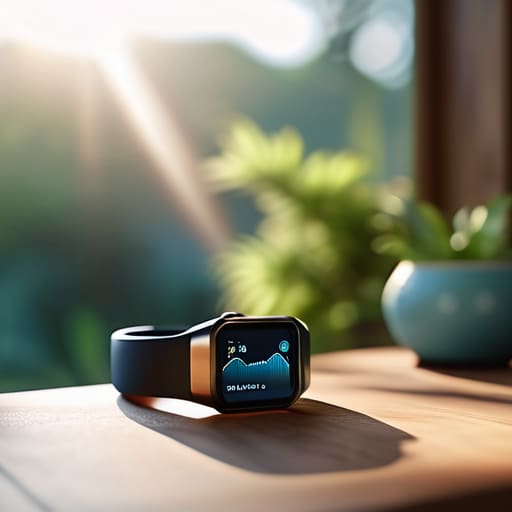
I was sitting at my workbench last Tuesday, sanding down the legs of a 1958 teak sideboard, when my wrist started buzzing with a frantic, rhythmic vibration. It wasn’t a person trying to reach me; it was my smartwatch, informing me that my “stress levels were elevated” and suggesting I perform a guided breathing exercise. I looked at the beautiful, tactile grain of the wood under my hands and felt a sudden, sharp surge of irritation. We’ve reached a strange point in our culture where we rely on wellness technology to tell us how we feel, as if a silicon chip could possibly understand the quiet satisfaction of manual labor or the actual nuance of human emotion.
I’m not here to tell you that every new gadget is a scam, but I am here to tell you that not everything needs an app. In this piece, I’m stripping away the marketing gloss to look at how we can actually use these tools without letting them hijack our autonomy. I promise to give you a pragmatic, no-nonsense guide to navigating the digital wellness landscape—focusing on what actually restores your peace rather than what just adds more noise to your notifications.
Table of Contents
The Trap of Constant Digital Health Monitoring
I spent last Tuesday staring at my wrist, feeling a strange sense of failure because my sleep score was a 62 instead of an 85. It’s a ridiculous way to feel, but that’s the subtle psychological tax of digital health monitoring. We’ve moved from using tools to improve ourselves to using them as digital taskmasters. When every heartbeat and REM cycle is converted into a metric, we stop listening to our actual bodies and start obsessing over what the dashboard tells us. We are essentially outsourcing our intuition to an algorithm.
The danger lies in the feedback loop created by these smart health ecosystems. They promise a sense of control, but often deliver nothing but low-level anxiety. If your watch tells you that you’re stressed before you even feel the tension in your shoulders, which one do you trust? We risk falling into a cycle where we aren’t actually living our lives; we are merely managing data points. Real wellness shouldn’t feel like a second job, and it certainly shouldn’t require a constant stream of notifications to prove you’re doing it right.
Finding Freedom in Smart Health Ecosystems
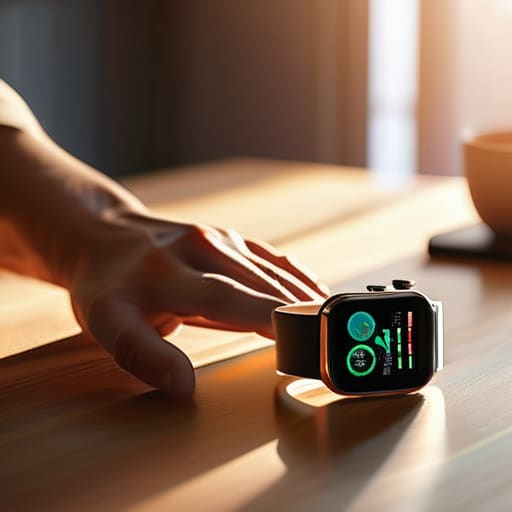
So, if the constant pinging of a heart-rate monitor is driving us toward burnout, what’s the alternative? It isn’t about throwing our devices in a lake; it’s about moving from passive consumption to intentional use. I’ve found that the real value in smart health ecosystems lies in their ability to connect the dots we often miss in our daily rush. When your sleep data, activity levels, and even your calendar start to tell a cohesive story, you stop reacting to symptoms and start recognizing patterns.
The trick is to treat this information as a compass, not a drill sergeant. Use biometric data analysis to understand when you’re actually hitting a wall, rather than letting an algorithm tell you that you “failed” a recovery score. If the data shows your resting heart rate is climbing, don’t just try to “optimize” your way out of it with more caffeine. Instead, use that insight as a signal to actually step away from the screen. We have to ensure these tools serve our autonomy, helping us build a foundation of preventative healthcare tech that supports our lives instead of managing them.
How to Use Wellness Tech Without Losing Your Mind
- Audit your notifications before you audit your heart rate. If an app is pinging you to “breathe” while you’re in the middle of a deep-work session, it’s not helping you; it’s just adding to the noise.
- Treat data as a suggestion, not a command. If your wearable says you had a poor night’s sleep, but you actually feel rested and ready to take on the day, trust your body over the algorithm every single time.
- Beware of the “optimization” rabbit hole. There is a fine line between tracking habits to improve them and turning your entire existence into a series of metrics to be managed. If you aren’t enjoying your life because you’re too busy logging it, something is broken.
- Prioritize tools that actually automate the friction away. The best tech shouldn’t demand more of your attention; it should quietly handle the background stuff—like sleep tracking or air quality monitoring—so you can focus on being human.
- Build in “analog buffers.” For every hour you spend interacting with a wellness interface, find ten minutes to do something completely unquantifiable—like sitting in the garden or sanding down a piece of wood—where no sensor can tell you how well you’re doing.
Reclaiming Your Agency in a Data-Driven World
Stop letting a ring or a watch tell you how you feel; use the data as a conversation starter, not the final word on your well-being.
Curate your digital health tools with intention, opting for systems that simplify your life rather than adding more notifications to your mental load.
Prioritize human intuition over algorithmic perfection, remembering that the most important health metric is how you actually feel when the screen goes dark.
The Metric Trap
We have to stop confusing a high heart-rate variability score with actual peace of mind; a gadget can track your sleep cycles, but it can’t tell you if you’re actually living a life worth waking up for.
Yvette Marchetti
Reclaiming the Human Rhythm

At the end of the day, wellness technology shouldn’t be another boss breathing down your neck or a set of metrics that make you feel inadequate if you didn’t hit your step goal. We’ve looked at how the constant stream of data can turn our bodies into something to be “optimized” rather than lived in, and we’ve seen how the right ecosystem can actually support our goals. The trick is to stop letting the hardware lead the way. We need to treat these devices as tools for insight, not as the ultimate authority on our well-being. If a piece of tech makes you feel more anxious about your health than actually healthy, it’s time to put it in a drawer and step away.
As we move forward into an increasingly automated world, my hope is that we choose to prioritize intentionality over automation. Real health isn’t found in a perfectly curated data dashboard; it’s found in the quiet moments when we actually listen to our own bodies without needing an app to translate the sensation. Use the tech to clear the noise, but never let it drown out your own intuition. Technology should give us the freedom to be more human, not more predictable. Let’s make sure we are the ones steering the ship, rather than just being passengers in an algorithmically driven life.
Frequently Asked Questions
How do I distinguish between data that actually improves my well-being and data that just fuels unnecessary anxiety?
Ask yourself: Does this number change my behavior for the better, or does it just make my heart race? If a data point tells me I slept poorly and then ruins my entire day with self-imposed stress, it’s noise, not insight. Useful data is actionable—like noticing a caffeine spike affects my focus. If the metric doesn’t lead to a practical adjustment, stop tracking it. Your peace of mind is more important than a perfect graph.
At what point does tracking my health become a chore that actually increases my stress levels rather than reducing them?
It becomes a chore the moment you start performing for your data instead of listening to your body. If you find yourself feeling guilty because your sleep score was low, or if you’re skipping a walk because your ring says you’ve hit your limit, the tech has flipped. When the metric becomes more important than the actual feeling of being well, you’ve crossed the line from self-care into digital surveillance. Stop optimizing and start living.
How can I ensure my personal health data isn't being commodified by the very companies promising to help me stay healthy?
It’s a valid fear. We’re being told these devices are our partners in health, but we have to remember they’re also data collectors. Start by ruthlessly auditing your permissions; if an app doesn’t need your location or contacts to track your sleep, deny it. Read the fine print—specifically the parts about “third-party sharing.” If you can’t find a clear opt-out for data selling, treat that “wellness” tool as a liability, not an asset.
