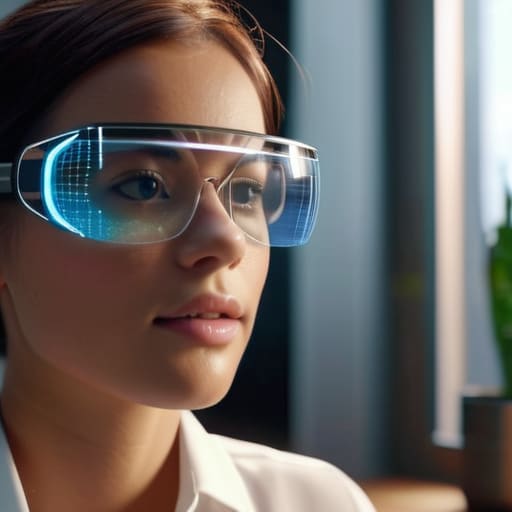
I was hunched over a 1962 teak sideboard last weekend, trying to figure out why the joinery was failing, when I saw another flashy demo of augmented reality use designed to “revolutionize” the way we work. The presenter was wearing a headset that looked like a piece of sci-fi prop, talking about digital overlays as if they were the only way to interact with the physical world. Honestly, it felt like a solution in search of a problem. We are being sold this idea that we need a digital layer between our eyes and our hands just to function, but most of the time, that extra layer is nothing more than expensive digital noise that pulls us away from the tactile reality of our tasks.
I’m not here to tell you that AR is magic, nor am I here to dismiss it as a gimmick. Instead, I want to look at how we can actually integrate augmented reality use into our lives without losing our grip on what’s real. My goal is to cut through the marketing jargon and explore where this tech actually adds value to our workflows and our homes, and where it’s just a distraction. We’re going to talk about practical application over flashy spectacles, ensuring that if we adopt these tools, they serve us—not the other way around.
Table of Contents
Real World Augmented Reality Examples That Actually Matter

When we strip away the flashy marketing for gaming headsets, we find that the most compelling real-world augmented reality examples are the ones that solve actual, messy problems. I’ve been looking into how field technicians are using enterprise AR solutions to repair complex machinery. Instead of flipping through a grease-stained manual, they have digital schematics overlaid directly onto the hardware in front of them. It’s not about replacing their expertise; it’s about reducing the cognitive load so they can focus on the task at hand without the constant mental friction of cross-referencing data.
We see a similar, much-needed shift in augmented reality in education. Rather than just staring at a flat textbook, students can interact with a 3D model of a human heart or a historical site right on their desks. This isn’t just a gimmick; it’s a way to bridge the gap between abstract theory and tangible understanding. When technology acts as a scaffold for curiosity rather than a replacement for deep thought, that’s when I start to feel optimistic about where this is headed.
Augmented Reality vs Virtual Reality Protecting Our Presence
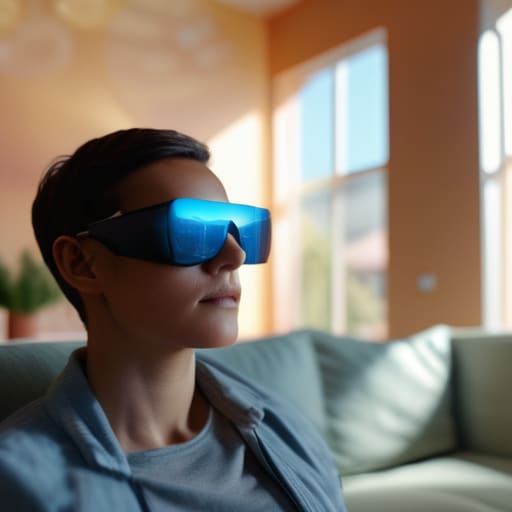
I often find myself explaining the distinction to friends who think they’re the same thing. While they both fall under the “immersive” umbrella, the psychological difference is massive. Virtual reality is a total departure; it pulls you out of your living room and drops you into a digital vacuum. It’s a complete sensory hijack. Augmented reality vs virtual reality isn’t just a technical debate—it’s a debate about where your attention lives. VR asks you to leave the world behind, whereas AR is designed to layer intelligence over the world we already inhabit.
When we look at the future of augmented reality technology, I hope we lean toward the latter. I don’t want to spend my life staring at a screen that replaces my surroundings. Instead, I want to see tools that help us navigate a complex world without losing our grip on it. Whether it’s through specialized enterprise AR solutions or simple tools for learning, the goal should be to sharpen our perception, not to act as a digital blindfold that keeps us from noticing the person sitting right across from us.
How to Use AR Without Losing Your Grip on Reality
- Prioritize utility over novelty. Before you download a new AR app or invest in a headset, ask yourself if it’s solving a genuine problem or if it’s just a shiny distraction designed to keep your eyes glued to a screen.
- Guard your focus. AR is designed to layer information over your world, but that can quickly turn into digital clutter. Use it to sharpen your task at hand, not to create a constant stream of interruptions that pull you away from the person sitting across from you.
- Maintain your spatial awareness. The last thing we need is a generation of people walking into walls because they were too busy navigating a digital overlay. Use AR in controlled environments where you can still feel the ground beneath your feet.
- Audit the data trail. Remember that every time you use AR to “see” your world, you’re often handing over a digital map of your private spaces to a corporation. Be intentional about which platforms you trust with your physical surroundings.
- Set strict boundaries. I’m a big believer in scheduled disconnection. Decide when the digital layer ends and the real world begins—and stick to it. Technology should be a tool you pick up and put down, not a permanent filter through which you view existence.
The Bottom Line: Keeping Our Feet on the Ground
Augmented reality should serve as a lens that clarifies our reality, not a mask that hides it; if a tool makes you less aware of your physical surroundings, it’s failing you.
We must prioritize “utility over novelty” by vetting new tech based on whether it solves a tangible problem or simply adds more digital noise to an already crowded day.
True technological progress isn’t about how much data we can overlay on our vision, but how much mental space and freedom these tools actually clear up for us.
The Human Cost of a Digital Layer
“We have to ask ourselves if augmented reality is actually adding depth to our experience, or if we’re just layering more digital noise over a world that’s already loud enough. The goal shouldn’t be to see more data; it should be to see our world more clearly.”
Yvette Marchetti
The Human Filter

At the end of the day, augmented reality isn’t some magic wand that will fix our fragmented attention spans or automate our creativity. We’ve looked at how it can sharpen our skills in the workshop or streamline a complex workflow, but we’ve also seen the risk of it becoming just another layer of digital noise. The distinction between a tool that enhances our perception and one that merely distracts us from the physical world is thin. We have to be intentional about which applications we invite into our personal and professional spaces, ensuring they serve our goals rather than just feeding our need for constant stimulation.
As we stand on the edge of this technological shift, my advice is to keep your feet firmly planted on the ground. Use these tools to bridge the gap between what we know and what we can do, but never let a digital overlay replace the raw, unmediated experience of being alive. Real progress shouldn’t be measured by how much data we can see floating in our field of vision, but by how much more capable and present we feel when the headset finally comes off. Let’s make sure we are the masters of the machine, not its most distracted users.
Frequently Asked Questions
How do we keep these digital overlays from becoming just another layer of screen addiction that pulls us away from the physical world?
It comes down to intentionality. We have to treat AR like a specialized tool—like a hammer or a magnifying glass—rather than a permanent filter for reality. If we use it to solve a specific problem, like navigating a new city or fixing a leaky faucet, it serves us. But if we use it just to decorate our vision with digital noise, we’ve lost. The goal should be to look through the tech, not at it.
Is there a way to implement AR in the workplace that actually reduces burnout instead of just adding more sensory noise to an already frantic day?
The key is intentionality. We shouldn’t use AR to layer more notifications onto our field of vision; that’s just digital clutter. Instead, think of it as a way to offload cognitive load. Imagine an interface that subtly highlights only the essential data you need for a specific task, silencing the rest. If AR can automate the “search and find” part of your job, it gives you back the mental bandwidth to actually focus.
Where do we draw the line between helpful information and the erosion of our privacy in public spaces?
The line is crossed the moment we stop being observers and start being data points. When AR overlays helpful directions or translation, it’s a tool. But when it’s used to scrape facial data or track our gaze without consent, it’s surveillance. We have to ask: Is this technology helping me navigate the world, or is it just turning my private movements into a product for someone else to sell? If we can’t opt out, we’ve lost.
