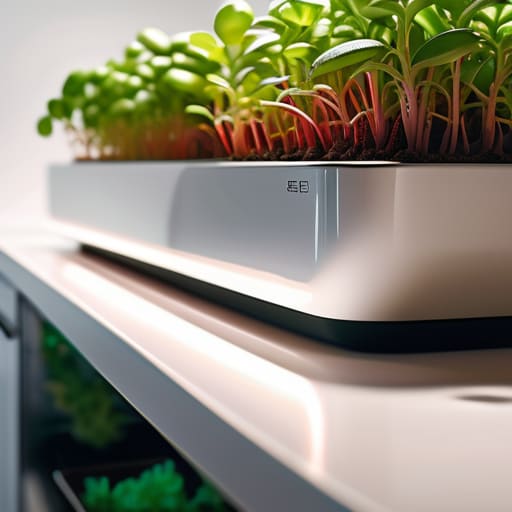
I was halfway through stripping the varnish off an old teak sideboard last weekend when I realized my phone was buzzing with yet another notification about “revolutionary” automated irrigation systems. It struck me how much we’ve been sold on the idea that smart gardening requires a suite of expensive, interconnected sensors just to keep a tomato plant from wilting. Honestly, the industry has become obsessed with turning our backyards into data centers, promising us that we can “optimize” nature if we just buy enough gadgets. But there is a massive difference between using a tool to help you grow and letting an algorithm dictate your relationship with the earth.
I’m not here to pitch you a lifestyle of high-tech dependency or tell you that you need a subscription service to prune your roses. Instead, I want to look at how we can actually use these digital tools to enhance our intuition, not replace it. I’ll be sharing my own trial-and-error experiences with the tech that actually works—and more importantly, the stuff that’s just expensive noise—so you can spend less time troubleshooting apps and more time actually getting your hands dirty.
Table of Contents
- Beyond the Noise Finding Freedom Through Iot Garden Sensors
- Cultivating Intent Using Smart Indoor Herb Gardens to Reconnect
- Grounding the Tech: Five Ways to Keep Your Hands Dirty and Your Data Useful
- The Grounded Gardener's Checklist
- The Digital Dirt Paradox
- The Garden in the Machine
- Frequently Asked Questions
Beyond the Noise Finding Freedom Through Iot Garden Sensors
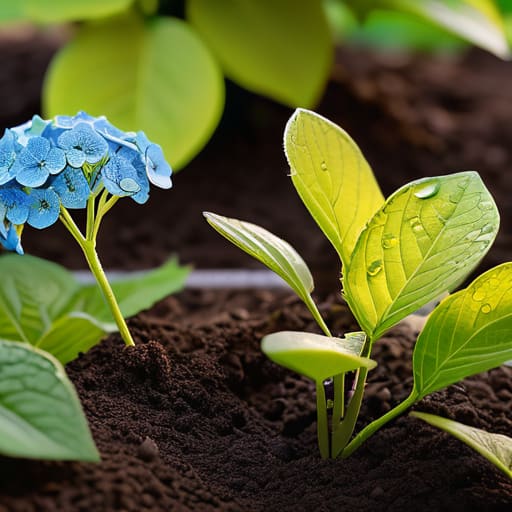
We’ve all seen the flashy marketing for these gadgets, promising a lush paradise with zero effort. But if we strip away the hype, the real value of IoT garden sensors isn’t in doing the work for us; it’s in the data they provide. I’ve spent enough time in HR to know that information is only useful if it helps you make better decisions. In the garden, that means using a sensor to tell you exactly when the soil pH is off or when a drought is actually hitting your hydrangeas, rather than just guessing based on a calendar.
The goal shouldn’t be to outsource your intuition to a piece of silicon. Instead, look for tools that offer meaningful insights that actually deepen your connection to the land. Whether you are experimenting with automated hydroponic systems in your kitchen or monitoring a backyard vegetable patch, the tech should act as a bridge, not a barrier. When we use these tools to understand the nuances of our microclimates, we aren’t becoming lazy; we are becoming more precise, more intentional, and ultimately, more successful gardeners.
Cultivating Intent Using Smart Indoor Herb Gardens to Reconnect
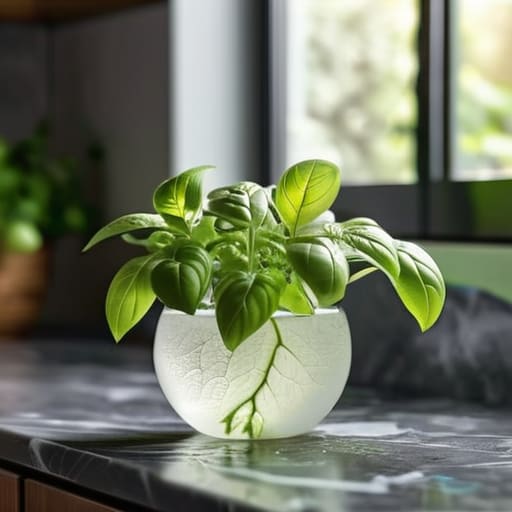
I’ve always found a certain irony in the way we try to “automate” nature. We buy these sleek, white plastic units—smart indoor herb gardens that sit on our kitchen counters like little pieces of modern art—hoping they’ll solve the mystery of why our basil always dies by Tuesday. But if we treat them as mere appliances, like a toaster or a microwave, we miss the point entirely. The goal shouldn’t be to outsource the life cycle of a plant to a microchip; it should be to lower the barrier of entry so we can actually experience the ritual of growth.
When you use automated hydroponic systems, you aren’t just avoiding the mess of soil; you’re creating a controlled environment that allows you to focus on the sensory details. I’ve found that when the lighting and water levels are handled by a steady algorithm, I stop worrying about whether I’ve failed as a gardener and start noticing how the scent of fresh mint changes the entire mood of my kitchen. It’s about using the tech to quiet the anxiety of maintenance, leaving more room for the actual connection to the living thing in front of you.
Grounding the Tech: Five Ways to Keep Your Hands Dirty and Your Data Useful
- Don’t let the app become the boss. Use sensor data as a suggestion, not a command. If the moisture reading says “dry” but the soil feels damp to your touch, trust your hands. The tech is there to provide context, not to replace your intuition.
- Avoid the “gadget creep” trap. You don’t need a connected sprinkler, a smart mower, and a Wi-Fi-enabled trowel to have a successful garden. Pick one specific pain point—like soil pH or irrigation timing—and solve that. Everything else is just digital clutter.
- Prioritize privacy over convenience. Before you link your entire garden to a cloud-based ecosystem, check where that data is going. I’ve seen enough corporate overreach in my HR days to know that your backyard habits shouldn’t be part of someone else’s data set.
- Use automation to buy back your time, not to outsource your joy. If an automated system handles the tedious weeding or watering, use that extra hour to actually sit in the garden, observe the pollinators, and enjoy the stillness. If you’re just checking an app instead of walking the rows, you’ve lost the point.
- Invest in hardware that lasts. I spend my weekends restoring mid-century furniture because it was built to endure. Apply that same logic to your tech; skip the cheap, disposable smart plugs and look for robust, well-documented tools that won’t become e-waste the moment a software update is discontinued.
The Grounded Gardener's Checklist
Use smart sensors as a diagnostic tool to learn your soil’s language, not as a replacement for your own intuition and observation.
Prioritize tools that automate the tedious chores—like scheduling irrigation—to free up more time for the actual joy of being in the dirt.
Avoid the trap of “app-fatigue” by choosing hardware that solves a specific problem rather than chasing every shiny new gadget that promises a perfect harvest.
The Digital Dirt Paradox
“The real danger isn’t that a sensor might fail; it’s that we’ll start trusting a push notification more than the feel of the soil between our fingers. Technology should be a bridge back to the earth, not a digital wall that keeps us from actually getting our hands dirty.”
Yvette Marchetti
The Garden in the Machine
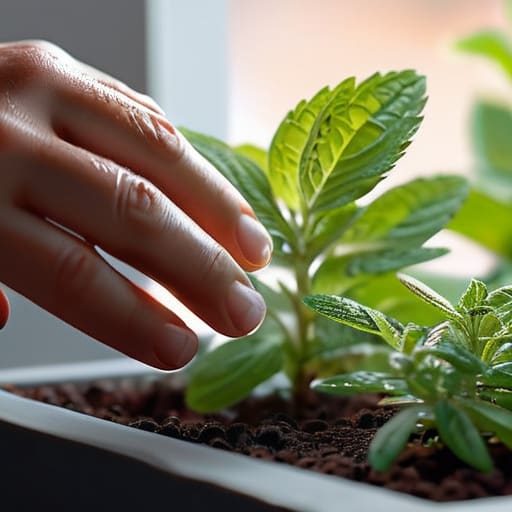
At the end of the day, smart gardening isn’t about delegating your soul to a series of algorithms or letting a sensor dictate your entire weekend. We’ve looked at how IoT sensors can provide the data we need to stop guessing and how indoor herb gardens can bridge the gap between a sterile apartment and the natural world. The goal isn’t to create a hands-off, automated ecosystem that requires zero thought; rather, it’s about using these tools to strip away the guesswork and the frustration that often leads to burnout. When we use technology to handle the tedious data points, we actually clear the mental space to focus on the art of cultivation itself.
As I sit here in my workshop, sanding down an old teak chair, I’m reminded that the most meaningful things in life require a certain amount of friction. Gardening is no different. Don’t let the allure of a “set it and forget it” lifestyle rob you of the tactile joy of feeling the soil or noticing the subtle shift in a leaf’s color. Use the tech to support your intuition, not to replace it. If we do this right, we aren’t just growing plants; we are reclaiming our connection to the earth, one purposeful, tech-assisted step at a time.
Frequently Asked Questions
Is the initial cost of these smart sensors actually worth it for a casual gardener, or is it just expensive tech for the sake of tech?
Let’s be blunt: if you’re just growing a single basil plant on a windowsill, a $50 sensor is overkill. It’s tech for tech’s sake. But if you’re a casual gardener who finds themselves constantly playing a guessing game with expensive perennials or a temperamental vegetable patch, that data becomes an insurance policy. I view it as a tool for precision, not a magic wand. Buy them to solve a specific frustration, not because the gadget looks cool.
How do I prevent myself from becoming tethered to my phone just to check if my tomato plants are thirsty?
Set boundaries with your tech, or it’ll own your downtime. If you’re checking an app every twenty minutes, the tool isn’t serving you; you’re serving it. I suggest setting specific “check-in” windows—maybe once in the morning and once in the evening. Treat your sensor data like a weather report, not a constant heartbeat monitor. Use the data to inform your intuition, then put the phone down and actually go outside.
What happens to the "soul" of gardening if we start relying on data points instead of learning to read the actual soil and leaves?
That’s the million-dollar question, isn’t it? If we outsource our intuition to an app, we risk losing that quiet, tactile connection that makes gardening restorative. There’s a specific kind of wisdom that comes from feeling the grit of dry earth or noticing a subtle yellowing on a leaf. Data should be a flashlight, not a crutch. Use the sensors to confirm what you’re sensing, but don’t let the dashboard replace the actual dirt under your fingernails.
