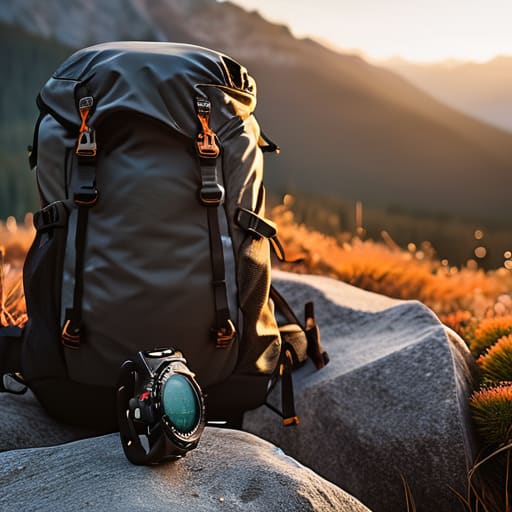
I was sitting on my back porch last weekend, nursing a lukewarm coffee and looking at a catalog of the latest “smart” hiking equipment, and I felt that familiar, sharp pang of skepticism. It seems like every time I turn around, the industry is trying to convince us that we can’t possibly enjoy a trail unless we have a solar-powered, GPS-integrated, moisture-wicking exoskeleton strapped to our bodies. These latest outdoor gear trends feel less like tools for exploration and more like digital noise designed to make us feel inadequate if we aren’t constantly uploading our heart rates to a cloud.
I’m not here to tell you which $500 titanium spork is going to change your life. Instead, I want to help you cut through the marketing fluff and figure out what actually matters when you’re miles away from the nearest cell tower. My goal is to look at these shifts through a practical lens, separating the genuine innovations from the expensive distractions. We’re going to talk about gear that actually serves your freedom rather than gear that just demands more of your attention.
Table of Contents
The Noise of Smart Outdoor Technology
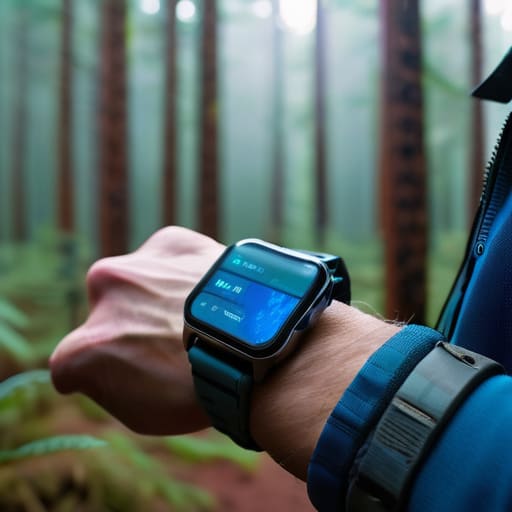
I was sitting in my workshop last weekend, sanding down a vintage teak chair, when I realized how much my own habits have shifted toward the “smart” everything. It’s happening in the woods, too. We’re seeing a massive surge in smart outdoor technology—think GPS-integrated watches that track your oxygen levels or jackets with built-in heating elements. On paper, it sounds like a dream for safety. But in practice, I find myself wondering if we’re just trading intuition for an algorithm. When you’re deep in the backcountry, do you really want to be staring at a glowing screen to tell you how you feel, or should you be listening to your own breath?
There is a certain irony in the way we chase these high-tech bells and whistles. We buy into the hype of the latest sensors, often at the expense of buying truly durable, sustainable outdoor equipment that will actually last a decade. I’d much rather invest in a well-made, weather-resistant piece of kit that doesn’t need a firmware update, than a gadget that becomes obsolete the moment a new chip is released. We need to ask ourselves: is this gear actually making the experience better, or is it just adding digital clutter to the natural world?
Finding Freedom in Ultralight Backpacking Gear

There is a specific kind of liberation that comes from shedding weight. I remember my early hiking days, lugging a heavy, overstuffed pack that felt more like a chore than an escape. Lately, I’ve been watching the shift toward ultralight backpacking gear with a mix of curiosity and respect. It isn’t just about chasing a lighter number on a scale; it’s about removing the physical friction that keeps you from actually feeling the terrain. When you aren’t fighting your own equipment, you finally have the mental bandwidth to actually be in the woods.
However, I’m wary of the “disposable” trap. The trend toward extreme lightness often leans on synthetic materials that feel flimsy or, worse, environmentally taxing. For me, the real sweet spot lies in finding sustainable outdoor equipment that prioritizes durability over mere minimalism. I want gear that uses high-quality, weatherproof technical fabrics designed to last a decade, not a single season. True freedom shouldn’t come at the cost of the very landscapes we’re trying to experience.
How to Curate Your Kit Without Losing Your Mind
- Prioritize durability over “smart” features. A jacket that breathes and keeps the rain out is infinitely more valuable than one that pings your phone to tell you it’s drizzling.
- Test your gear in the backyard before the backcountry. I’ve seen too many people get caught in a crisis because they were trying to figure out a complex new GPS interface instead of looking at the actual terrain.
- Embrace the “buy less, buy better” philosophy. The trend toward hyper-specialized gear for every single niche activity is just more clutter; find versatile pieces that serve multiple purposes.
- Don’t let weight obsession strip away your comfort. Ultralight is a great goal, but if your gear is so minimal that you’re shivering by 2:00 AM, you’ve traded your well-being for a few saved ounces.
- Keep a manual backup for everything. Whether it’s a paper map or a simple analog compass, ensure you have tools that don’t require a battery or a software update to function.
Cutting Through the Gear Hype
Prioritize utility over connectivity; if a piece of gear requires a firmware update or a battery charge just to do its job, it’s likely adding more friction than freedom to your trek.
Embrace the “less is more” philosophy of ultralight gear, but don’t mistake minimalism for deprivation—the goal is to shed weight, not the tools that actually keep you safe and comfortable.
Audit your kit through a human lens by asking whether a new gadget serves your experience of nature or simply serves the manufacturer’s desire to collect your data.
The Gear Trap
We’ve reached a strange point where we’re spending more time managing our equipment’s data than actually experiencing the landscape; real gear should be a tool that disappears, not a distraction that demands your attention.
Yvette Marchetti
Choosing Your Own Path

At the end of the day, the gear market is going to keep pushing more data, more sensors, and more “smart” features designed to make you feel like you’re missing out if you aren’t connected. We’ve looked at how the noise of smart tech can actually pull us away from the experience, and how the pursuit of ultralight efficiency can sometimes feel like a race rather than a way of being. The truth is, there is no single “correct” way to gear up. Whether you’re chasing the latest carbon-fiber weight savings or sticking to the heavy-duty canvas boots you’ve owned for a decade, the goal should be intentionality. Don’t let a marketing budget decide what your adventure looks like; make sure every piece of equipment earns its place in your pack.
As I sit here at my desk, looking at my paper planner and thinking about my next weekend trip, I’m reminded that the best gear is the kind that eventually becomes invisible. It’s the stuff that works so seamlessly that you forget it’s even there, leaving you alone with the wind, the dirt, and your own thoughts. Technology should be a tool, not a distraction or a crutch. We go into the wild to find a version of ourselves that isn’t tethered to a notification bell. So, go ahead and buy that high-tech jacket if it keeps you warm, but don’t forget to look up from the screen and actually witness the world you’re working so hard to explore.
Frequently Asked Questions
At what point does "smart" gear stop being a helpful tool and start becoming a distraction from the actual experience?
It stops being a tool the moment you spend more time managing the device than enjoying the view. If you’re constantly checking a wrist sensor to see if you’re “optimally” breathing or worrying about a software update mid-trail, the gear has hijacked your presence. Real utility should be invisible. If the technology requires your constant attention to function, it isn’t serving your adventure—it’s just another piece of digital noise you’re forced to carry.
Is the push toward ultralight gear actually making us more capable, or are we just trading durability for a lighter load?
It’s a trade-off, and honestly, one that feels a bit precarious. We’re obsessed with shaving ounces, but we’re often trading rugged reliability for something that feels more like a disposable consumer product. To me, capability isn’t just about how little you carry; it’s about knowing your gear won’t fail when the weather turns. If your ultralight tent shreds in a real storm, you aren’t more capable—you’re just more vulnerable.
How can I tell which tech trends are genuine innovations and which ones are just expensive marketing noise designed to replace gear that already works?
Look for the “friction test.” Ask yourself: Does this new gadget solve a problem I actually face on the trail, or does it just add another layer of charging and troubleshooting? Genuine innovation simplifies your experience—think a more breathable fabric or a lighter pole. Marketing noise, however, usually adds complexity under the guise of “features.” If it requires a firmware update just to keep you warm, it’s probably just noise.
