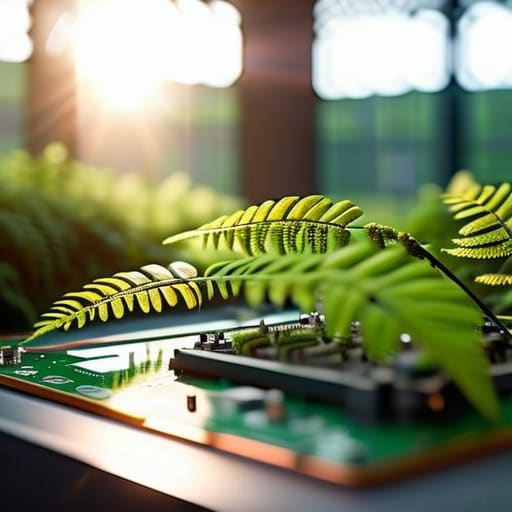
I was elbow-deep in walnut veneer last weekend, sanding down a mid-century sideboard, when I realized how much I loathe the modern “disposable” mindset. It’s everywhere. We’re being sold this idea that the only way to be eco-conscious is to go out and buy a whole new suite of expensive, high-tech gadgets that claim to be “green,” but usually just end up in a landfill three years later. This version of sustainable tech feels less like a solution and more like a marketing trap designed to keep us consuming under the guise of conscience. If a device isn’t built to last or repairable by a human being, it isn’t actually sustainable; it’s just more digital noise.
I’m not here to sell you on the latest overpriced eco-gadget or feed you the corporate buzzwords that flooded my inbox back in my HR days. Instead, I want to look at how we can actually use technology to reclaim our autonomy and reduce our footprint without falling for the hype. I’ll be sharing my pragmatic, no-nonsense take on choosing tools that actually serve our lives and the planet, focusing on longevity and real-world utility rather than the shiny new promise of a trend.
Table of Contents
The Hidden Carbon Footprint of Data Centers

When we talk about going green, our minds usually drift to electric cars or bamboo toothbrushes. We rarely think about the massive, humming warehouses that house our digital lives. Every time I refresh my inbox or stream a high-def video, I’m tapping into a physical infrastructure that requires an immense amount of power. The carbon footprint of data centers is a growing shadow in our quest for a cleaner lifestyle, fueled by an insatiable appetite for cloud storage and real-time processing.
It isn’t just about the electricity used to keep the servers cool, though that’s a massive piece of the puzzle. We also have to look at the sheer physical reality of the hardware itself. To keep up with the constant demand for more speed and more “intelligence,” companies are trapped in a cycle of constant upgrades. If we don’t start prioritizing renewable energy in IT infrastructure and rethinking how we manage these digital behemoths, we’re just moving our pollution from the tailpipe to the server rack. We can’t claim to be building a digital future if the foundation is burning through the planet’s resources.
Lifecycle Assessment of Hardware Beyond the Shiny New Gadget
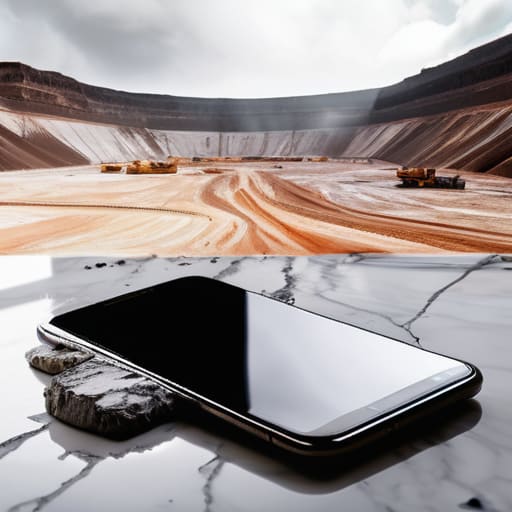
We’ve been conditioned to treat our devices like disposable fashion. Every time a new model drops with a slightly better camera or a marginally faster processor, the unspoken command is to upgrade. But if we actually sit down and perform a true lifecycle assessment of hardware, the math stops making sense. It isn’t just about the electricity your laptop uses while you’re typing; it’s about the massive, energy-intensive extraction of rare earth minerals required to build it in the first place. We are essentially trading the health of our planet for a slightly thinner bezel.
If we want to move past this cycle of mindless consumption, we have to embrace a circular economy in electronics. This means moving away from the “buy-break-discard” model and toward one where repairability is a right, not a luxury. I spent my weekend sanding down a 1960s teak sideboard, and the beauty of that piece is that it was built to be maintained, not replaced. Why can’t we demand that same longevity from our smartphones and tablets? Real progress isn’t found in the next upgrade; it’s found in making what we already own last longer.
Practical ways to push back against the upgrade cycle
- Stop the “upgrade itch” by actually using what you own. I know, it sounds unglamorous, but before you click ‘buy’ on that new smartphone, ask yourself if your current one is actually broken or if you’re just bored with its interface.
- Prioritize repairability over aesthetics. When you’re shopping for a new laptop or appliance, look for brands that actually provide parts and manuals. A beautiful piece of tech is useless if it becomes a paperweight the moment a single component fails.
- Buy refurbished, not just “new and eco-friendly.” There is a massive difference between a company claiming to be green and actually buying a certified pre-owned device. It keeps high-quality hardware out of landfills and reduces the demand for raw mineral extraction.
- Audit your digital clutter. It feels invisible, but those thousands of unread promotional emails and redundant cloud backups are sitting on servers that require massive amounts of energy to keep running. A digital spring cleaning is a genuine act of sustainability.
- Demand transparency from the brands you love. Don’t settle for vague marketing terms like “eco-conscious.” Ask for the specifics: Where was the cobalt mined? What is the actual recycling program for their old models? If they can’t answer, they aren’t being sustainable; they’re just being loud.
Cutting Through the Greenwash
Stop chasing the “latest and greatest” just because a marketing campaign says it’s eco-friendly; real sustainability starts with keeping the hardware we already own for as long as possible.
We have to look past the sleek, recycled packaging and start asking hard questions about the massive, energy-hungry data centers that power our “cloud” lifestyle.
True progress isn’t about buying a new gadget that promises to save the planet; it’s about demanding transparency in how these technologies are actually built, used, and eventually discarded.
The Real Cost of Convenience
We need to stop treating “sustainability” like a marketing checkbox on a sleek new device and start asking if the tech we’re buying actually serves us, or if we’re just serving the cycle of endless, wasteful upgrades.
Yvette Marchetti
Finding the Balance
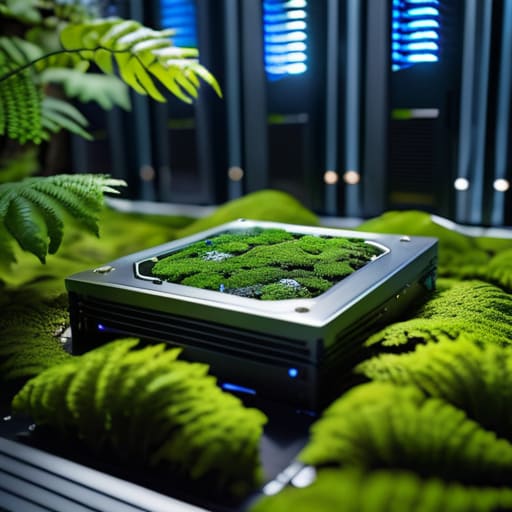
At the end of the day, sustainability in tech isn’t just about finding a more efficient way to power a server or choosing a device with a recycled casing. It’s about recognizing the massive, invisible infrastructure—from the cooling systems in massive data centers to the literal mountain of e-waste we create every time a new model drops—that supports our digital lives. We’ve spent years focusing on the convenience of the upgrade while ignoring the true cost of the hardware itself. If we want to talk about real progress, we have to stop treating our devices as disposable commodities and start viewing them as long-term investments in both our productivity and our planet.
I don’t want us to become luddites or fear the next innovation; I just want us to be intentional. The goal shouldn’t be to stop using technology, but to stop letting it use us. As we move forward, let’s prioritize tools that offer us genuine agency and longevity rather than those designed to expire in twenty-four months. Real sustainability happens when we demand better from the companies making these tools, and more importantly, when we refuse to let the hype cycle dictate our consumption. Let’s choose technology that serves our humanity, rather than technology that merely consumes our resources.
Frequently Asked Questions
If we're constantly upgrading to the latest "energy-efficient" devices, aren't we just trading one kind of waste for another?
That’s the million-dollar question, isn’t it? We’ve fallen into this trap of thinking “energy-efficient” is a synonym for “sustainable.” It’s a clever bit of marketing. If you swap an old laptop for a new one that uses 20% less power during use, but the manufacturing process for that new device required massive amounts of rare-earth mining and carbon-heavy logistics, you haven’t actually won. You’ve just moved the waste from your electric bill to the planet’s ledger.
How can I actually tell if a company's sustainability claims are genuine or just more clever marketing noise?
Look past the glossy “eco-friendly” slogans and go straight for the data. If a company is serious, they’ll publish specific, verifiable metrics—like their Scope 3 emissions—rather than vague promises about “going green” by 2050. I always check if they’re using third-party certifications or if they’re just self-reporting. If their sustainability report reads like a marketing brochure instead of a technical audit, it’s probably just noise designed to soothe your conscience.
Is it even possible to maintain a modern professional life without contributing to this cycle of hardware consumption?
It’s a massive question, and honestly, a bit of a tightrope walk. Can you stay competitive without the latest MacBook? Yes. But it requires intentionality. It means opting for modular hardware that’s actually repairable, or leaning into refurbished enterprise-grade gear instead of chasing the newest aesthetic. We have to stop treating our professional tools like disposable fashion. It’s about shifting our mindset from “upgrading” to “maintaining.” It’s harder, but it’s the only way to stay sane.
