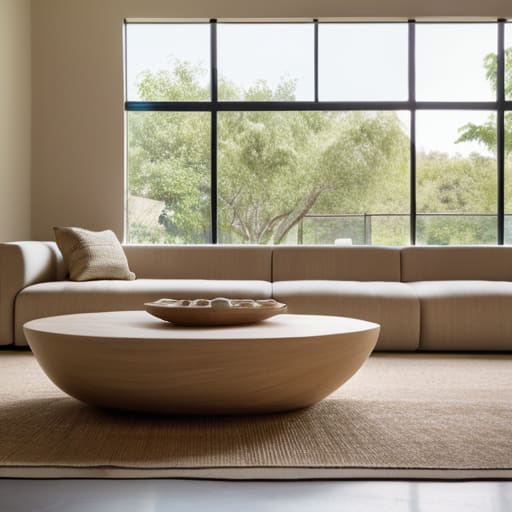
I was elbow-deep in walnut stain last weekend, working on a 1962 sideboard, when I scrolled past another “must-have” listicle. It’s the same cycle every season: a frantic, algorithm-driven rush to replace perfectly good things with cheap, mass-produced clutter that looks great in a filtered photo but feels hollow in person. We’ve become so obsessed with chasing ephemeral home decor trends that we’ve forgotten how to actually live in our spaces. It feels like we’re being coached to curate museums of disposable goods rather than building sanctuaries that reflect who we actually are.
I’m not here to tell you which shade of “greige” is going to dominate your social media feed this year. Instead, I want to help you filter out the digital noise and focus on what matters. I’ll be sharing a pragmatic approach to styling your space—one that prioritizes longevity and soul over whatever is currently trending on a screen. My goal is to help you build a home that feels grounded, intentional, and most importantly, entirely yours.
Table of Contents
The Trap of Disposable Modern Interior Styling
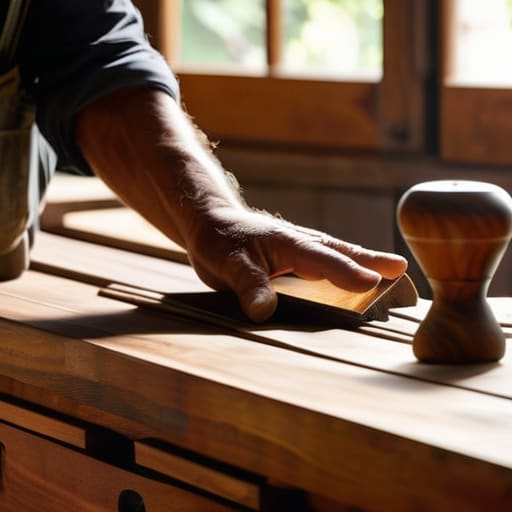
I’ve spent my weekends hunched over teak sideboards, stripping away decades of cheap lacquer to find the soul of the wood underneath. It’s a slow, tactile process, and it’s the exact opposite of how we approach our living spaces today. We’ve fallen into this cycle of chasing every fleeting aesthetic, fueled by social media feeds that demand a complete overhaul every six months. This obsession with “newness” has turned modern interior styling into a game of musical chairs, where we swap out entire rooms just to stay relevant in an algorithm.
The problem is that this constant churn creates a sense of restlessness rather than peace. When we prioritize seasonal decor inspiration that’s designed to be discarded, we lose the grounding effect a home is supposed to provide. We aren’t building sanctuaries; we’re building temporary sets. Instead of investing in pieces that age with us, we’re settling for high-turnover items that lack character and, frankly, end up in a landfill by next year. Real comfort comes from things that have a history, not just a high engagement rate.
Finding Freedom Through Sustainable Home Design
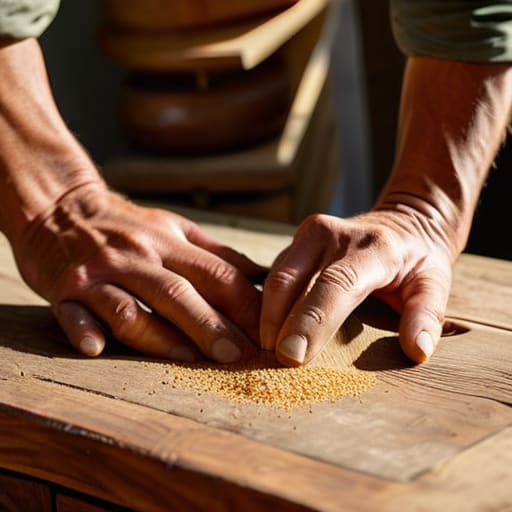
Instead of chasing the next viral aesthetic, I’ve found that true peace comes from leaning into sustainable home design that prioritizes longevity over novelty. When I’m in my workshop sanding down a vintage teak sideboard, I’m reminded that a piece of furniture should tell a story, not just fill a gap in a showroom catalog. We need to move away from the frantic cycle of “refreshing” our spaces every six months and start looking for pieces that age with us. It’s about intentionality—choosing materials that feel good to the touch and can withstand the actual friction of daily life.
I’m increasingly drawn to biophilic design principles, not because they’re trending on Pinterest, but because they actually work to ground us. Bringing in natural light, raw wood, and living plants isn’t just a visual choice; it’s a way to tether ourselves to something real in an increasingly digital world. When we focus on textural element layering—mixing a heavy linen throw with a smooth stone coaster—we create a sensory richness that a digital rendering can never replicate. It’s about building a sanctuary that supports your humanity, rather than a stage set designed for an audience of strangers.
Practical Ways to Curate a Home That Actually Lasts
- Buy for the person you are, not the person the algorithm thinks you should be. If you love a certain color or texture, lean into it, even if it’s currently “out” of style.
- Prioritize the “bones” of your furniture. I’ve learned through restoring mid-century pieces that a solid wood frame is worth ten times more than a trendy, particle-board sofa that will end up in a landfill by next season.
- Mix the old with the new to create depth. A high-tech smart lamp looks a lot more intentional when it’s sitting next to a vintage ceramic vase you found at a local estate sale.
- Implement a “wait and see” rule for viral trends. If a specific aesthetic is flooding your feed, give it three months. If you’re still thinking about it then, it might actually be worth the investment.
- Focus on tactile quality over visual noise. We spend so much time looking at screens; your home should be a place where you can actually feel the grain of the wood or the weight of a linen throw.
Stripping Away the Noise
Prioritize pieces with a soul and a history over anything designed to look good for a fifteen-second video clip.
Build a home that reflects your own evolution, not a curated feed of someone else’s aesthetic.
Measure the success of your space by how much peace it offers you, rather than how closely it follows a seasonal trend.
The Soul of a Space
We need to stop treating our living rooms like temporary social media feeds that require a weekly refresh; a home should be a collection of things that tell your story, not a curated set of things that follow a trend.
Yvette Marchetti
Designing for the Long Haul
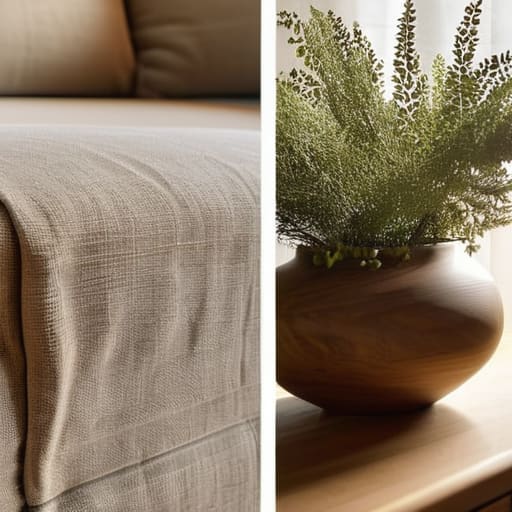
At the end of the day, we have to stop treating our living rooms like social media feeds that need constant refreshing. We’ve looked at how the cycle of disposable, algorithm-driven decor creates a sense of emptiness, and how pivoting toward sustainability isn’t just about the planet—it’s about reclaiming our own sense of permanence. Whether it’s a vintage sideboard I’ve spent weeks sanding down or a simple linen sofa, the goal is to move away from the noise of the “now” and toward a home that actually holds weight. When we stop chasing the next viral aesthetic, we stop being consumers of a trend and start being curators of our own lives.
Your home should be a sanctuary that supports your humanity, not a showroom designed to impress a digital stranger. Don’t be afraid to ignore the influencers and the “must-have” lists that land in your inbox every morning. Instead, listen to how a space actually feels when the screens are off and the lights are low. Real style isn’t something you download or buy in a single click; it is the slow, intentional process of surrounding yourself with things that have soul and substance. Build a space that grants you freedom, and let the trends fade into the background where they belong.
Frequently Asked Questions
How do I tell the difference between a genuine design movement and just another fleeting algorithm-driven fad?
Look for the “why” behind the “what.” A genuine design movement is rooted in a philosophy—like Mid-Century Modern’s focus on functionality and organic lines—that survives even when the aesthetic isn’t “trending.” It solves a human problem. A fad, however, is purely visual; it’s a collection of items designed to look good in a single photograph. If a style feels like it’s shouting for your attention rather than settling into your space, it’s likely just noise.
Is it actually possible to stay current without feeling like I'm constantly throwing away perfectly good furniture?
It’s absolutely possible, but it requires a mindset shift. Stop chasing “the look” and start looking for “the bones.” Instead of replacing a whole room because a new color palette is trending, try swapping out the textiles or updating the hardware on a vintage sideboard. I find that mixing one or two contemporary pieces with my mid-century finds keeps things fresh without the guilt of a landfill-bound shopping spree. It’s about evolution, not replacement.
Where do I draw the line between following a trend for fun and letting it clutter my mental space?
Draw the line at intention. If a trend sparks genuine joy or fits a specific, functional need in your life, go for it. But if you’re buying something just because an algorithm told you it’s “in,” you aren’t decorating; you’re just reacting. I ask myself: Does this piece add character, or is it just adding noise? If it doesn’t serve your peace or your space, leave it on the screen.
