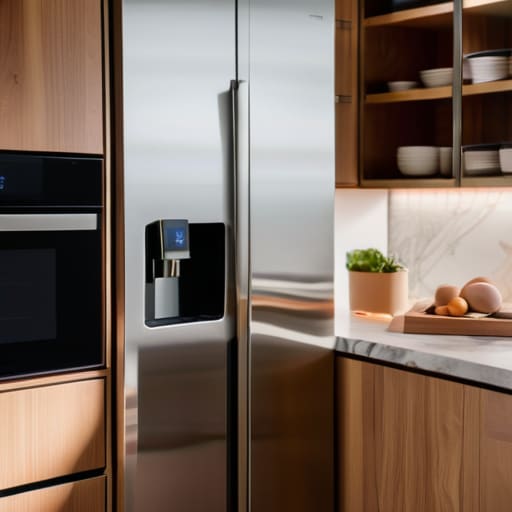
I was mid-way through stripping the original veneer off a 1962 teak sideboard last Tuesday when my phone started chirping. It wasn’t a text or a calendar alert; it was a notification from my dishwasher telling me it had finished a cycle. I stared at the screen, feeling a sudden, sharp sense of digital exhaustion. We’ve been sold this grand vision that smart appliances are going to gift us back our time, but more often than not, they just turn our homes into another series of ecosystems we have to manage, update, and troubleshoot.
I’m not here to tell you that you need a refrigerator with a touchscreen to live a fulfilled life. My goal is to cut through the marketing noise and look at these gadgets through a pragmatic lens. Over the next few sections, I’ll be sharing my honest, experience-based take on which features actually serve our humanity and which ones are just expensive distractions. We’re going to figure out if these tools are truly adding freedom to your daily routine, or if they’re just adding more unnecessary friction to your quietest moments at home.
Table of Contents
- The Hidden Cost of an Automated Home Management System
- Finding Freedom Within Your Smart Kitchen Ecosystem
- A Pragmatist’s Guide to Curating a Smart Home Without Losing Your Mind
- The Bottom Line: Keeping Your Home Yours
- The Illusion of Efficiency
- Reclaiming the Remote Control
- Frequently Asked Questions
The Hidden Cost of an Automated Home Management System
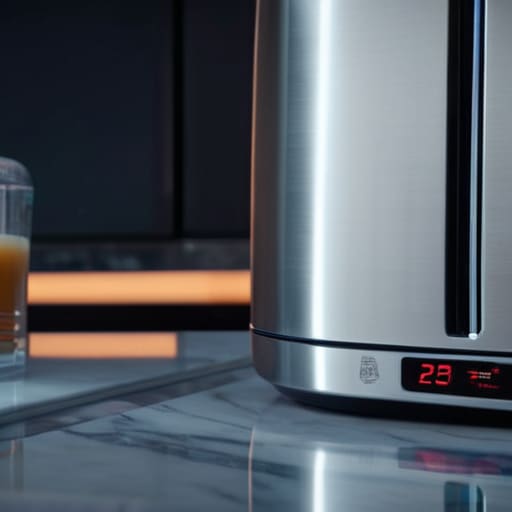
We’re told that an automated home management system is the ultimate way to reclaim our time, but I’ve noticed a recurring pattern in my own consulting work: we often trade mental peace for a different kind of digital clutter. When every piece of hardware in your kitchen is part of a synchronized “smart kitchen ecosystem,” you aren’t just buying convenience; you’re buying a new set of chores. Suddenly, instead of just washing a dish, you’re troubleshooting a firmware update or wondering why your toaster isn’t communicating with your hub. It’s a subtle shift from being the master of your domain to being a part-time IT technician in your own living room.
Then there’s the psychological weight of being “always on.” With remote appliance control at our fingertips, the boundary between home and office becomes even more porous. There is a strange, nagging anxiety that comes with knowing you could check your oven status from a meeting halfway across town. We think we’re gaining efficiency, but we’re often just creating a perpetual loop of micro-distractions that pull us away from the quiet, analog moments that actually make a house feel like a home.
Finding Freedom Within Your Smart Kitchen Ecosystem
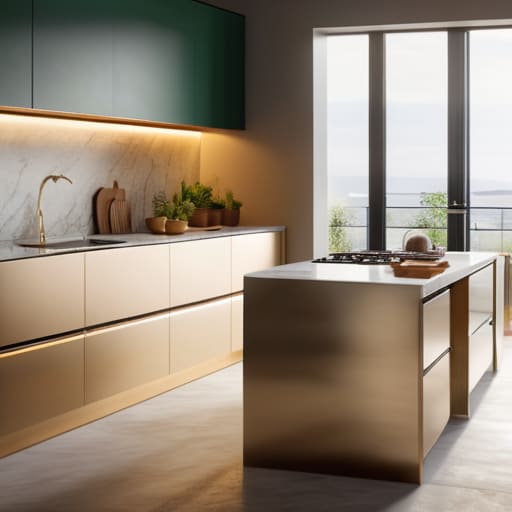
So, does this mean we should throw our smart ovens out the window and go back to manual dials? Not necessarily. The goal isn’t to reject progress, but to curate it. I’ve found that the real value in a smart kitchen ecosystem isn’t in the novelty of a fridge that tells you you’re out of milk; it’s in the subtle ways it can actually return time to your hands. When you use energy saving smart technology to manage your heavy-duty cycles during off-peak hours, you aren’t just being eco-conscious—you’re reclaiming a sense of intentionality over your household’s footprint.
The trick is to treat these tools as assistants rather than masters. I use remote appliance control to preheat the oven while I’m still finishing a client call, which is a genuine win for my workflow. But I draw a hard line at anything that requires a software update just to boil water. We have to be the architects of our own spaces. If a device doesn’t actively reduce your cognitive load, it’s just more digital clutter taking up mental real estate.
A Pragmatist’s Guide to Curating a Smart Home Without Losing Your Mind
- Prioritize utility over novelty. Before you hit “buy” on that smart toaster that tweets when your sourdough is ready, ask yourself if it actually solves a problem in your daily routine or if it’s just a shiny distraction.
- Demand interoperability. Don’t get trapped in a single brand’s walled garden. If your smart fridge won’t talk to your existing ecosystem, you aren’t buying an appliance; you’re buying a digital island that will eventually isolate you.
- Build in manual overrides. I refuse to live in a house where I can’t turn on a light or start a dishwasher if the Wi-Fi goes down. If a device lacks a physical button or a manual fallback, leave it on the showroom floor.
- Audit your data footprint. Every “connected” device is a tiny sensor gathering data about your most private habits. If you can’t find a clear, simple privacy policy for a device, it’s probably not worth the breach of trust.
- Think in decades, not software cycles. A washing machine should last ten years, but most smart tech is obsolete in three. Choose hardware that is built to endure, even if the “smart” features feel a little dated in a few years.
The Bottom Line: Keeping Your Home Yours
Prioritize utility over novelty; if a smart device doesn’t solve a genuine friction point in your daily routine, it’s just more digital noise to manage.
Guard your autonomy by ensuring your “automated” home doesn’t create a new dependency on constant troubleshooting and software updates.
Use technology as a tool for liberation, not a replacement for presence—the goal is to automate the chores so you have more time for the things that actually require a human touch.
The Illusion of Efficiency
We’re being sold the dream of a seamless, automated life, but we need to be careful that we aren’t just trading our autonomy for a series of convenient notifications that ultimately demand more of our attention than they ever save.
Yvette Marchetti
Reclaiming the Remote Control

At the end of the day, smart appliances aren’t inherently good or bad; they are just tools, and like any tool, they require a steady hand. We’ve looked at how these devices can either streamline our chores or become a constant source of digital friction that demands our attention. Whether it’s a fridge that tracks your milk levels or a dishwasher that needs a software update, the goal shouldn’t be to build a home that runs itself while you sit helplessly by. Instead, the goal is to use these systems to cut through the domestic noise so you can actually focus on the things that matter—like a slow dinner with family or finally finishing that book on your nightstand.
As we move further into this era of the hyper-connected home, I urge you to maintain a healthy sense of skepticism. Don’t let a sleek interface convince you that you need a connection for every single object in your living space. Real luxury isn’t having a kitchen that talks to you; it’s having the freedom to disconnect without your entire household falling apart. Let technology be the silent assistant in the background, not the loud protagonist of your life. Use these gadgets to buy back your time, and then—most importantly—use that time to live a life that is beautifully, unapologetically analog.
Frequently Asked Questions
How do I know if these gadgets are actually saving me time or just creating a new set of digital chores to manage?
It comes down to a simple audit of your mental bandwidth. If you’re spending more time troubleshooting a connectivity error or managing firmware updates than you are actually enjoying a home-cooked meal, that gadget isn’t a tool—it’s a chore. Ask yourself: Does this device solve a recurring friction point in my day, or am I just babysitting a piece of hardware to keep my “smart” ecosystem from collapsing? If it’s the latter, put the phone down.
What happens to my data and my privacy once my kitchen starts talking to the cloud?
Here’s the uncomfortable truth: your kitchen is essentially becoming a data collection hub. Every time your smart oven pings the cloud to update a recipe, it’s transmitting more than just cooking times; it’s logging your habits, your schedule, and your preferences. You’re trading a slice of your privacy for a bit of convenience. Before you plug in that next gadget, ask yourself if the “smart” feature is worth the digital footprint you’re leaving behind.
Are these appliances built to last, or am I just buying expensive tech that will be obsolete in three years?
Here’s the hard truth: you’re often buying a ticking clock. When I restore a teak sideboard, I’m looking at something built to survive a century. Most smart appliances, however, are built on software cycles. The hardware might physically last a decade, but once the manufacturer stops pushing security updates or the app becomes incompatible with your new phone, that “smart” fridge becomes a very expensive, very dim-witted metal box. Plan for obsolescence.
