Last Tuesday, I found myself staring at a stack of cardboard boxes on my porch, feeling less like a person who had “optimized” her week and more like a victim of a subscription model. There is this pervasive myth that meal delivery services are the ultimate hack for the modern professional—a way to reclaim our time and nourish our bodies without the “burden” of cooking. But as I tore through the excessive plastic film and uninspired portions, I realized we aren’t actually gaining freedom; we’re just outsourcing our basic autonomy to an algorithm. We’ve traded the tactile joy of a grocery run for a digital convenience that often feels hollow and incredibly expensive.
I’m not here to tell you that these services are a scam, nor am I going to feed you the polished marketing fluff you see on Instagram. Instead, I want to look at this through a more pragmatic lens. I’ll be sharing my honest, no-nonsense breakdown of which services actually respect your time and your wallet, and which ones are just high-tech noise. My goal is to help you decide if these tools can actually enhance your life, or if they’re simply another way to let technology dictate how you eat.
Table of Contents
Automated Hunger the Hidden Cost of Ready to Eat Meal Kits
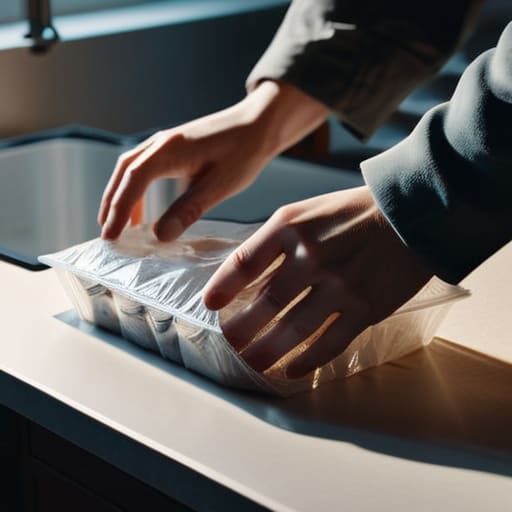
There is a specific kind of hollow feeling that comes with opening a cardboard box to find a dozen plastic-wrapped portions staring back at you. On paper, ready to eat meal kits are the ultimate productivity hack—a way to bypass the mental load of decision fatigue. But as someone who spent years in HR watching people optimize themselves into burnout, I see a pattern here. We are increasingly treating our bodies like hardware that just needs the right fuel injected at scheduled intervals. When we outsource the entire process of selection, washing, and chopping to a service, we aren’t just saving time; we are outsourcing our intuition.
The convenience of preportioned ingredient delivery is seductive, especially after a ten-hour workday, but it creates a strange disconnect from the sensory reality of eating. There’s a rhythm to cooking—the smell of garlic hitting hot oil, the tactile weight of a knife—that grounds us in the present moment. When we bypass that, we risk turning nourishment into a mere transaction. We might be hitting our macros, but we’re losing the deliberate ritual that makes a meal feel like more than just a biological necessity.
Reclaiming Autonomy Through Healthy Meal Prep Services
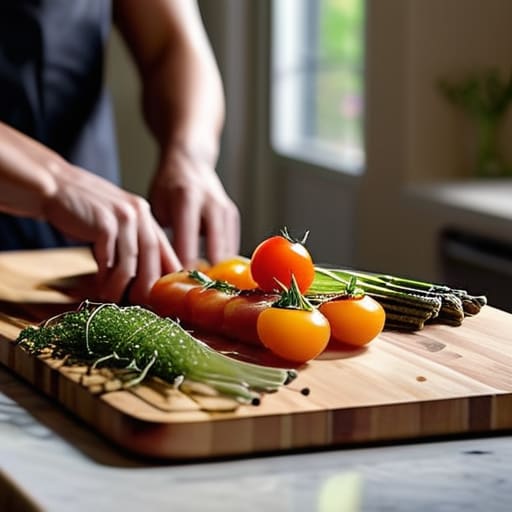
If the “heat-and-eat” model feels like a surrender of your kitchen’s sovereignty, there is a middle ground that doesn’t require a complete lifestyle overhaul. I’ve found that the real value lies in healthy meal prep services that function more like a sous-chef than a replacement for your own hands. Instead of handing over the entire process to a factory, these services focus on preportioned ingredient delivery, giving you the raw materials without the mental load of grocery store chaos. It’s about reducing the friction of preparation while keeping the actual act of cooking intact.
When we lean into these more intentional options, we aren’t just buying convenience; we are buying back our decision-making power. By utilizing dietary specific meal plans, you can bypass the decision fatigue that usually leads to a late-night takeout order. The goal isn’t to become a gourmet chef overnight, but to use these time saving meal solutions to ensure that “being busy” is no longer an excuse for neglecting your own nutrition. It’s a way to outsource the logistics, not the soul of the meal.
How to Use Meal Kits Without Losing Your Kitchen Identity
- Audit your actual hunger, not your schedule. Before you subscribe, look at your week. Are you actually too busy to chop an onion, or are you just using “busy” as an excuse to avoid the friction of cooking? Don’t buy a service to solve a time problem if the real problem is a lack of intention.
- Prioritize ingredient transparency over “convenience” branding. If a kit arrives with more plastic film than actual produce, it’s not a meal; it’s a logistics project. Look for services that prioritize whole ingredients over pre-processed, sauce-heavy pouches that mask low-quality nutrition.
- Treat kits as a bridge, not a destination. Use them to learn new techniques or flavor profiles, then eventually graduate to buying those same ingredients yourself. The goal is to expand your culinary vocabulary, not to become a permanent subscriber to a delivery loop.
- Watch the waste, not just the cost. A “cheap” meal kit becomes incredibly expensive when you factor in the environmental tax of all that single-use packaging. If a service doesn’t have a clear plan for minimizing its footprint, you’re paying for their inefficiency with your conscience.
- Keep your pantry basics independent. Never let a subscription dictate your entire grocery list. Maintain your own stock of oils, spices, and grains so that when a delivery is delayed or a kit fails you, you still have the agency to feed yourself from scratch.
The Bottom Line: Finding Your Balance
Don’t mistake convenience for freedom; if a service saves you time but leaves you feeling disconnected from the ritual of eating, it’s just another digital friction point to manage.
Use meal kits as a tool to bridge the gap during chaotic work weeks, rather than letting them become a permanent substitute for the agency we find in our own kitchens.
The goal isn’t to optimize every minute of your day, but to ensure the technology you use actually buys you back the headspace to live more intentionally.
The Convenience Trap
“We’re being sold the illusion of time-saving, but we need to ask ourselves: are we actually gaining an hour of freedom, or are we just outsourcing the most fundamental, grounding ritual of our day to an algorithm?”
Yvette Marchetti
The Final Plate
At the end of the day, meal delivery services aren’t inherently good or bad; they are simply tools, and like any tool, their value depends entirely on how we wield them. We’ve looked at how the “autopilot” approach of ready-to-eat kits can lead to a strange kind of nutritional dissociation, where we’re consuming calories without actually connecting to the act of nourishment. Conversely, we’ve seen how curated prep services can act as a scaffold, helping us rebuild our relationship with healthy eating without the overwhelming mental load. The goal shouldn’t be to find the most efficient way to stop thinking about food, but to find the most effective way to reclaim our time without sacrificing our agency.
As we move further into this era of hyper-convenience, I urge you to pause before you hit “subscribe” on that next monthly box. Ask yourself if this service is giving you back an hour of your life to spend on something meaningful, or if it’s simply outsourcing your presence to an algorithm. True progress isn’t about how much we can automate away from our daily rituals; it’s about using technology to clear the clutter so we can focus on what actually matters. Don’t let a delivery driver become the sole architect of your lifestyle. Stay intentional.
Frequently Asked Questions
Are these services actually saving me money, or am I just paying a premium to avoid a grocery store trip?
Let’s be honest: most of the time, you’re paying a “convenience tax.” If you’re looking at the raw cost of ingredients versus your subscription fee, the math rarely favors the meal kit. You aren’t just buying chicken and kale; you’re buying back the hour you would have spent navigating a crowded supermarket. It’s a trade-off of capital for time. If that hour allows you to actually rest or work, it’s an investment. If it’s just mindless scrolling, you’re just losing money.
How much of the "convenience" is actually just a way to mask the waste of excessive plastic packaging?
Let’s be honest: a lot of that “convenience” is a shell game. We’re trading a few minutes of chopping vegetables for a mountain of non-recyclable film, vacuum-sealed pouches, and insulated liners that end up in a landfill before the meal is even finished. It’s a classic case of outsourcing labor only to outsource the environmental guilt. If the convenience requires a plastic graveyard to function, we aren’t actually saving time—we’re just offloading the mess onto the planet.
Can I actually maintain a sense of culinary creativity when I'm just following a pre-packaged script?
Honestly? Not really. If you’re strictly following those little plastic-wrapped instructions, you aren’t cooking; you’re just assembling. It’s a guided tour of a kitchen rather than an actual journey. However, I’ve found the sweet spot is using these services as a baseline. Treat the kit as a rough draft. Throw in some fresh herbs, tweak the spice profile, or swap a protein. Use the convenience to save time, but don’t let the script kill your intuition.