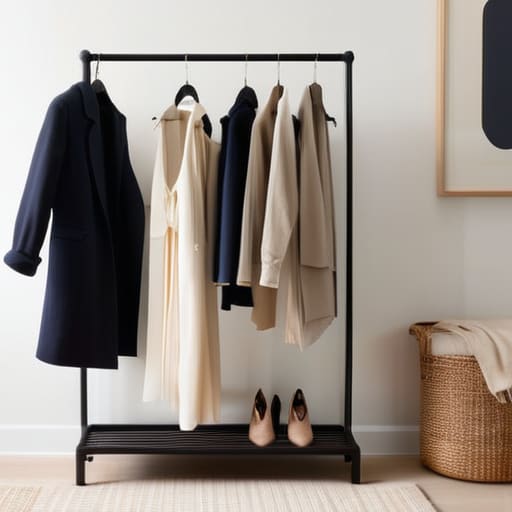
I was standing in front of my closet last Tuesday, staring at a sea of polyester and “must-have” seasonal trends, feeling completely paralyzed by the sheer volume of stuff I owned. It’s the great modern irony: we have more choices than any generation in history, yet we’ve never felt more exhausted by the simple act of getting dressed. The internet has turned the idea of capsule wardrobes into this expensive, aesthetic performance—a curated collection of high-end linen and neutral tones that looks great on a mood board but feels utterly impractical for a real life involving grocery runs and messy freelance deadlines.
I’m not here to sell you on a new way to consume more “minimalist” products. Instead, I want to talk about how we can actually use a streamlined closet to reclaim our mental bandwidth. I’ll be sharing the pragmatic, no-nonsense approach I used to strip back the noise and build a system that actually works for a busy adult. This isn’t about achieving a perfect Instagram aesthetic; it’s about reclaiming your autonomy from a cycle of constant, unnecessary decision-making.
Table of Contents
Decluttering Your Closet to Silence the Consumerist Noise
I remember sitting on my bedroom floor three years ago, surrounded by a mountain of “must-have” items that had lost their luster within weeks of purchase. It wasn’t just a mess; it was a physical manifestation of decision fatigue. When we talk about decluttering your closet, we aren’t just talking about tidying up; we are performing an audit of our own impulses. Every piece of clothing that doesn’t serve a functional purpose or spark genuine confidence is just extra weight you’re carrying through your day.
The goal isn’t to reach some sterile, aesthetic ideal you saw on Instagram. Instead, focus on identifying those timeless fashion pieces that actually ground you. I’ve found that when I strip away the loud, trend-driven clutter, I’m left with a collection that actually works together. This shift toward minimalist closet organization isn’t about deprivation—it’s about reclaiming the mental bandwidth we usually waste on the “what should I wear?” panic. By choosing quality over sheer volume, you stop participating in the endless cycle of consumption and start building a wardrobe that actually respects your time and your values.
Finding Freedom Through Timeless Fashion Pieces
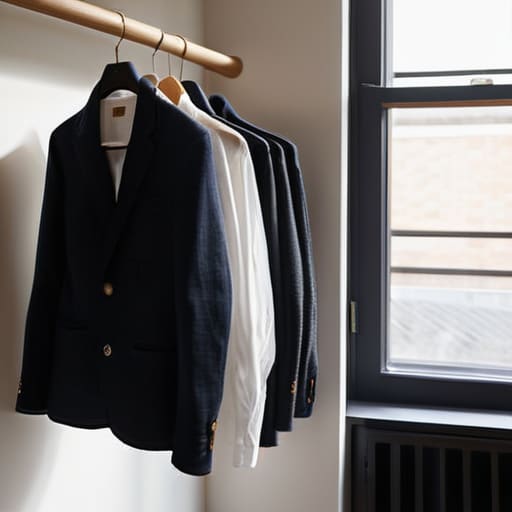
Once you’ve cleared out the excess, the real work begins: identifying the anchors. I think of it like restoring a mid-century sideboard; you don’t want the flashy, cheap veneer that peels after a year. You want the solid oak. In a wardrobe, that means investing in timeless fashion pieces—the heavy cotton button-down, the perfectly tailored blazer, or that one pair of denim that actually fits your life. These aren’t just clothes; they are tools that reduce the cognitive load of getting dressed every morning.
The goal isn’t to have a static, boring collection, but to master a smart seasonal wardrobe rotation. Instead of chasing every micro-trend that floods my social media feeds, I focus on how a single high-quality item can serve multiple roles. It’s about finding that sweet spot of outfit versatility where a silk slip dress works just as well under a chunky knit as it does for a gallery opening. When you stop buying for the “idea” of who you might be next month, you finally start dressing for who you actually are today.
Practical Steps to Reclaim Your Morning Routine
- Audit your current rotation with brutal honesty. If a piece of clothing hasn’t seen the light of day in a year, or if it only exists because it was on sale, it’s just noise. Get rid of it.
- Define your personal uniform. Stop trying to dress like a Pinterest board and start looking at what actually makes you feel grounded. When you know your silhouette, the decision fatigue of getting dressed simply vanishes.
- Prioritize fabric over fast-fashion trends. I’ve learned through restoring old furniture that quality matters more than the finish; the same goes for your clothes. Natural fibers like linen, wool, and cotton age with grace, while synthetics just fall apart and clutter your life.
- Stick to a cohesive color palette. It sounds restrictive at first, but there is a profound sense of freedom in knowing that almost every top in your closet works with every single bottom. That’s not a limitation; it’s an efficiency hack.
- Invest in “bridge” pieces. Look for high-quality items that can transition from a professional setting to a weekend lunch. A well-cut blazer or a perfect pair of dark denim acts as the connective tissue of a functional wardrobe, reducing the need for sheer volume.
The Real Payoff: More Than Just Less Clutter
A capsule wardrobe isn’t about deprivation; it’s about reclaiming the mental bandwidth you lose every morning to decision fatigue and trend-chasing.
Prioritize quality over quantity to break the cycle of disposable consumerism and build a wardrobe that actually serves your real, daily life.
Use your clothing as a tool for stability, choosing timeless pieces that allow you to feel grounded rather than letting the noise of fast fashion dictate your identity.
The Quiet Power of Less
“A capsule wardrobe isn’t just about organizing your clothes; it’s about deciding that your identity won’t be dictated by next season’s algorithm. It’s about reclaiming the mental bandwidth we’ve foolishly surrendered to the endless cycle of ‘new’.”
Yvette Marchetti
The Quiet Power of Less
At its core, building a capsule wardrobe isn’t just about aesthetic minimalism or following a lifestyle trend; it’s a tactical move to reclaim your mental bandwidth. We’ve spent years being conditioned to believe that more choice equals more freedom, but in reality, the endless cycle of micro-trends and fast-fashion drops only creates a constant state of decision fatigue. By curating a collection of pieces that actually serve you—items that are durable, versatile, and deeply personal—you aren’t just cleaning out a closet. You are actively silencing the consumerist noise that tells you your worth is tied to the next seasonal haul.
As you move forward, I encourage you to view your wardrobe as a tool for autonomy rather than a scoreboard for status. Technology and trends will continue to accelerate, pushing us toward a culture of “more, faster, newer,” but you don’t have to run that race. Choosing a few high-quality, timeless pieces is a way of saying that your time and your peace of mind are non-negotiable. Real progress isn’t found in a crowded shopping cart; it’s found in the quiet confidence of knowing exactly who you are and what you need to show up in the world.
Frequently Asked Questions
How do I actually start this without feeling like I'm throwing away everything I own?
Look, I get it. The thought of a “purge” feels violent, like you’re erasing your own history. Don’t do that. You aren’t throwing things away; you’re auditing them. Start small—maybe just one drawer or that one corner of the closet that makes you sigh. Ask yourself: “Does this piece serve the person I am today, or the person I was five years ago?” If it’s just guilt in fabric form, let it go.
Is it even possible to maintain a capsule wardrobe if my job or lifestyle requires a lot of variety?
It’s a valid concern, especially if your week looks like a shapeshifter. But a capsule wardrobe isn’t a prison sentence; it’s a framework. The trick isn’t having fewer clothes, it’s having more cohesion. Think of it as building a modular system. If you can invest in high-quality basics that bridge the gap between a boardroom meeting and a casual dinner, you aren’t losing variety—you’re just eliminating the decision fatigue that comes with it.
How do I balance the desire for minimalism with the need to express my personality through clothes?
Here’s the thing: minimalism isn’t a uniform; it’s a framework. I used to think a capsule wardrobe meant wearing nothing but beige linen, but that’s just another kind of cage. The trick is to build your foundation with the basics—the “quiet” pieces—so you have the mental bandwidth to let your personality shine through the accents. Think one bold vintage scarf, a textured leather jacket, or those statement earrings. Use the simplicity to amplify your voice, not muffle it.
