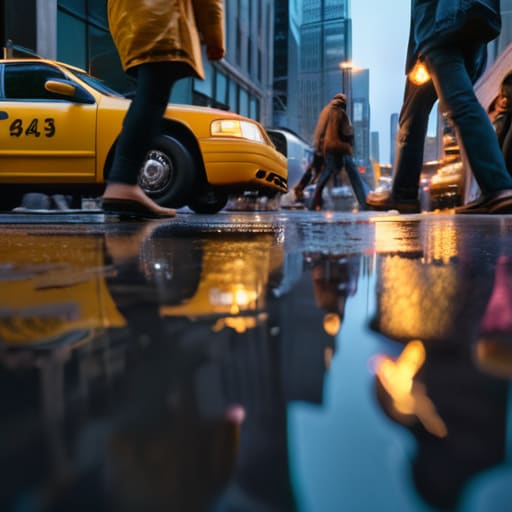
I remember sitting in a cramped, overpriced studio in downtown Chicago, listening to the relentless hum of the subway and the rhythmic thumping of a neighbor’s bass through a paper-thin wall. Everyone tells you that urban living is the ultimate catalyst for career growth and cultural enrichment, but they rarely mention the sheer sensory exhaustion that comes with it. We’re sold this glossy vision of walking to a boutique coffee shop and feeling “connected,” but more often than not, you’re just navigating a sea of digital noise and concrete, feeling more isolated than ever in a crowd of millions.
I’m not here to sell you on a lifestyle you saw in a travel brochure, nor am I going to suggest you move to a penthouse to solve your problems. Instead, I want to look at how we can actually reclaim our agency within the city. I’ll be sharing my pragmatic, no-nonsense take on finding stability amidst the chaos—focusing on how to build a life that prioritizes human connection and mental clarity over the constant, high-speed friction of the metropolitan grind.
Table of Contents
Finding Real Connection Amidst Shifting Metropolitan Lifestyle Trends
We talk a lot about the convenience of the city, but we rarely talk about the loneliness that can settle in even when you’re surrounded by millions. I’ve noticed a strange paradox in recent metropolitan lifestyle trends: as we become more digitally tethered to our neighbors through building apps and group chats, our actual, physical interactions seem to be thinning out. We’ve traded the spontaneous “hello” in the hallway for a notification on a screen. It’s efficient, sure, but it lacks the unpredictable warmth that actually builds a sense of community.
To counter this, I’ve been looking at how people are reclaiming their space and their social lives. It’s not just about better compact living solutions to make a studio feel less like a cage; it’s about how we use our environment to force connection. I see more people prioritizing walkability and transit access not just for the sake of the environment, but to get out of their digital bubbles and back into the flow of the street. Real connection happens when we stop treating our neighborhoods like mere service providers and start treating them like shared living rooms.
Prioritizing Walkability and Transit Access Over Digital Distraction
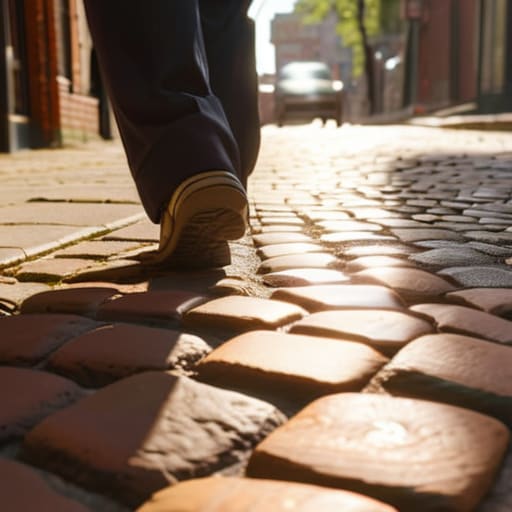
I’ve spent a lot of time lately thinking about how we measure “efficiency” in our daily commutes. We have apps that can optimize a route down to the second, but they often just serve as digital pacifiers, keeping our eyes glued to a screen while we hurtle through a city we aren’t actually seeing. Lately, I’ve been advocating for a return to the basics of walkability and transit access. There is a profound, tactile difference between being a passive passenger in a ride-share and being a participant in the streetscape. When you walk, you notice the smell of the bakery on the corner or the way the light hits the brickwork; you become part of the neighborhood’s rhythm rather than just a data point moving through it.
True metropolitan lifestyle trends shouldn’t be about how many gadgets we can cram into a studio apartment, but about how much of the world is available to us without a steering wheel or a smartphone. If our surroundings are designed around car culture or digital convenience alone, we lose those spontaneous human encounters that make a city feel alive. We need to stop asking how much tech can make our transit faster and start asking how it can make our movement more meaningful.
Reclaiming Your Space: 5 Ways to Stay Grounded in the City
- Curate a “Digital Dead Zone” in your apartment. Whether it’s your dining table or a specific armchair, designate a corner of your home where screens aren’t allowed. You need a physical sanctuary that isn’t mediated by a blue light glow.
- Choose the “Third Place” over the app. Instead of scrolling through delivery menus, find a local coffee shop or a small bookstore where the staff knows your name. Real urban living happens in the friction of face-to-face interactions, not in a seamless transaction.
- Master the art of the analog commute. If you’re taking the subway or walking, try leaving the noise-canceling headphones in your bag for just one stop. Listen to the city breathe; it helps you feel like a participant in your environment rather than just a passenger passing through it.
- Invest in quality, not quantity. In a city where everything feels temporary and disposable, buy one piece of well-made furniture or a sturdy pair of walking shoes. It’s a small way to push back against the “fast everything” culture that defines modern metropolitan life.
- Build a “Micro-Community” through ritual. Become a regular somewhere—a park bench, a corner bodega, or a community garden. Consistency is the antidote to urban loneliness; it turns a sea of strangers into a recognizable neighborhood.
The Human Bottom Line
Don’t let convenience become a substitute for community; a smart apartment isn’t a replacement for a neighborly face-to-face interaction.
Prioritize physical infrastructure—like parks and walkable streets—over digital shortcuts that promise efficiency but often deliver isolation.
Reclaim your agency by choosing tech that serves your movement through the city, rather than letting urban data streams dictate your daily rhythm.
The Cost of Convenience
“We’re told that smart cities and hyper-efficient living are the ultimate upgrades, but if a city is so optimized that it eliminates the chance for a spontaneous, unscripted human encounter, then we haven’t actually improved our lives—we’ve just streamlined our isolation.”
Yvette Marchetti
The Human Scale of the City
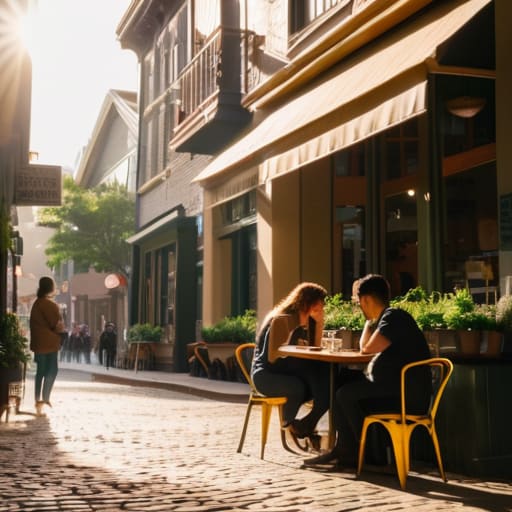
At the end of the day, navigating the modern urban landscape isn’t about mastering the latest transit app or finding the most “Instagrammable” corner of a smart city. It’s about reclaiming the physical spaces that allow us to breathe. We’ve spent too much time prioritizing digital convenience at the expense of genuine human proximity. Whether it’s choosing a walkable neighborhood over a tech-integrated suburb or opting for a local cafe over a frictionless automated kiosk, the goal remains the same: we must ensure our cities serve our need for connection rather than just our need for efficiency. We need to stop letting the noise of progress drown out the quiet necessity of a well-designed, human-centric streetscape.
As we look toward the future of our metropolitan lives, I hope we stop asking how much more technology we can pack into our zip codes and start asking how much more freedom that technology can actually afford us. A city shouldn’t be a series of data points to be optimized; it should be a canvas for living. Let’s build environments that encourage us to look up from our screens and into each other’s eyes. Real urban progress isn’t measured by the speed of the fiber-optic cables beneath our feet, but by the strength of the community we find walking above them.
Frequently Asked Questions
How can we maintain a sense of community in high-density buildings without it feeling forced or performative?
The problem with most “community building” in luxury high-rises is that it feels like a programmed event—a mandatory mixer with lukewarm prosecco. It’s performative. Real community happens in the friction of daily life, not in a scheduled Zoom or a lobby yoga class. We need “third spaces” within our buildings that aren’t just lobbies or gyms—think shared tool libraries or quiet communal gardens. It’s about creating low-stakes environments where neighbors can actually exist together without being forced to “network.”
As remote work becomes the norm, is the traditional "central business district" model actually dead, or just evolving?
I don’t think the CBD is dead, but the era of the “commute-to-cubicle” grind is definitely on life support. We’re seeing a shift from these sterile, single-use office monoliths toward more intentional, mixed-use hubs. Instead of just being places where people sit under fluorescent lights for eight hours, these districts need to offer something worth the trip—culture, community, and actual human connection. It’s not about the office; it’s about the destination.
How do we balance the convenience of delivery-based urban living with the need to actually step outside and engage with our physical surroundings?
It’s a slippery slope. We’ve optimized our lives for zero friction, but friction is actually where life happens. I’ve caught myself ordering groceries online just to avoid a ten-minute walk, and it feels hollow. To balance it, I try the “one-out rule”: if I can get it on foot without it being a logistical nightmare, I go. We have to treat stepping outside like a necessary ritual, not an inconvenience to be outsourced.
