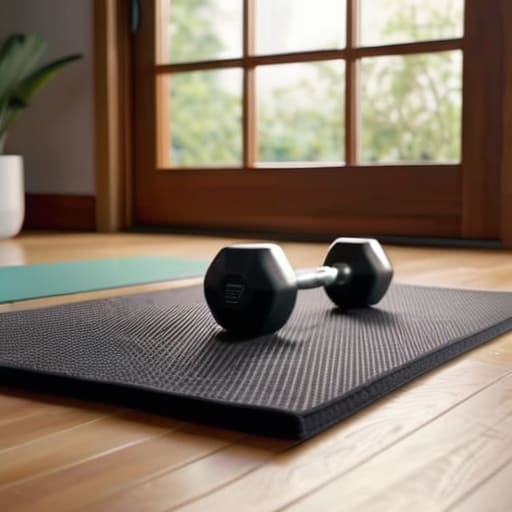
I was staring at my phone last Tuesday, scrolling through yet another subscription-based fitness app that promised “total body transformation” through a series of flashing lights and aggressive notifications. It felt less like a path to health and more like a second job I hadn’t applied for. We’ve been sold this idea that effective home workout routines require a high-tech ecosystem of smart mats, wearable sensors, and a monthly fee that rivals my utility bill. Honestly? It’s exhausting. We are constantly told that if we aren’t tracking every single heartbeat via a cloud-synced device, we aren’t actually working.
I’m not here to sell you on a digital revolution or a piece of equipment you’ll eventually use as a clothes rack. Instead, I want to talk about how to reclaim your movement without letting it become another source of digital noise. I’m going to share some uncomplicated, grounded strategies for building home workout routines that actually fit into a real, messy life. No hype, no expensive gadgets—just practical ways to move your body that prioritize your humanity over the algorithm.
Table of Contents
The Magic of a No Equipment Full Body Workout
The beauty of a no equipment full body workout lies in its refusal to complicate your life. I’ve spent years watching people buy expensive, bulky machines that eventually just serve as expensive laundry racks. We’ve been sold this idea that fitness requires a massive financial investment or a specialized studio, but that’s just more noise. When you strip away the gadgets, you’re left with the only tool that actually matters: your own body weight. It’s honest, it’s efficient, and it doesn’t require a monthly subscription to keep working.
Building a minimalist home gym setup doesn’t mean clearing out your spare room; it means reclaiming your living space. By focusing on functional movements like squats, lunges, and planks, you’re engaging in a form of strength training at home that translates directly to how you move in the real world. You aren’t just chasing a number on a screen; you’re building a foundation of stability. It’s about finding that sweet spot where movement feels like a way to ground yourself, rather than another digital chore to check off a list.
Building a Sustainable Beginner Home Fitness Plan
The trap most people fall into is treating a new fitness goal like a corporate product launch: they go all-in with expensive gear and a grueling schedule, only to burn out by week three. When I was in HR, I saw this “all or nothing” mentality destroy productivity and morale constantly. The same applies to your body. A successful beginner home fitness plan isn’t about the most expensive subscription or the fanciest gear; it’s about lowering the barrier to entry so significantly that you can’t find an excuse to skip it.
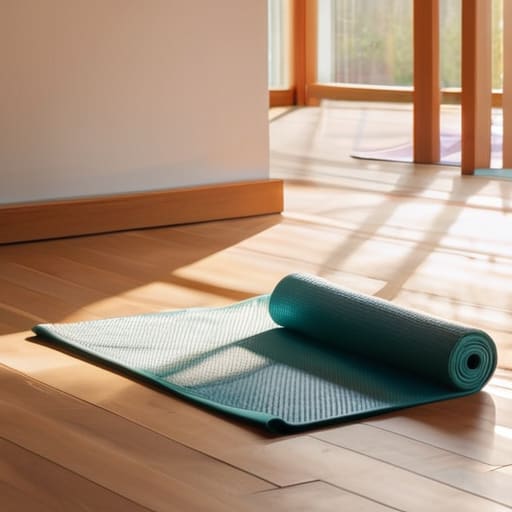
Start by looking at your actual life, not some idealized version of it. If you have twenty minutes between meetings, don’t try to squeeze in an hour of high-intensity interval training home. Instead, aim for consistency over intensity. I prefer a minimalist home gym setup—think just a yoga mat and a bit of floor space—because if your “gym” requires a trip to the garage or a complex setup, you simply won’t use it. Build a routine that feels like a quiet ritual rather than a digital chore, and you’ll actually stick to it.
Cutting Through the Noise: 5 Ways to Make it Stick
- Stop chasing the “perfect” routine you saw on Instagram. If a high-intensity HIIT video leaves you feeling depleted rather than energized, scrap it. The best routine is the one that respects your actual energy levels, not the ones influencers pretend to have at 5:00 AM.
- Create a physical boundary for your movement. Even if it’s just a specific corner of the living room or a particular rug, having a dedicated space tells your brain it’s time to shift from “work mode” to “human mode.” It’s about ritual, not just repetition.
- Audit your digital distractions. If you find yourself scrolling through emails or news feeds between sets, you aren’t working out; you’re just multitasking poorly. Put the phone on Do Not Disturb. Reclaim those thirty minutes as a sanctuary from the digital grind.
- Prioritize consistency over intensity. I’ve seen too many people burn out by trying to go from zero to sixty in a week. It’s much more effective to commit to twenty minutes of movement three times a week than to attempt a grueling hour-long session that you’ll inevitably quit by Thursday.
- Listen to your body, not the timer. We’ve become so obsessed with data—heart rate zones, calorie counts, precise intervals—that we’ve forgotten how to actually feel our own muscles. If your joints ache or you’re genuinely exhausted, take a rest day. Real progress isn’t a straight line upward.
Cutting Through the Digital Noise
Stop chasing the “perfect” algorithm-generated routine; the best workout is the one that actually fits into your real, messy life without causing more stress.
Focus on movement that builds functional strength rather than just chasing metrics on a smartwatch that tell you how you “should” feel.
Prioritize consistency over intensity—it’s better to move for twenty minutes on your terms than to burn out trying to mimic a fitness influencer’s high-tech regimen.
The Digital Trap of Fitness
We need to stop treating our bodies like hardware that requires a software update every Tuesday; a home workout should be a way to reconnect with yourself, not just another data point to feed into an algorithm.
Yvette Marchetti
Finding Your Own Rhythm
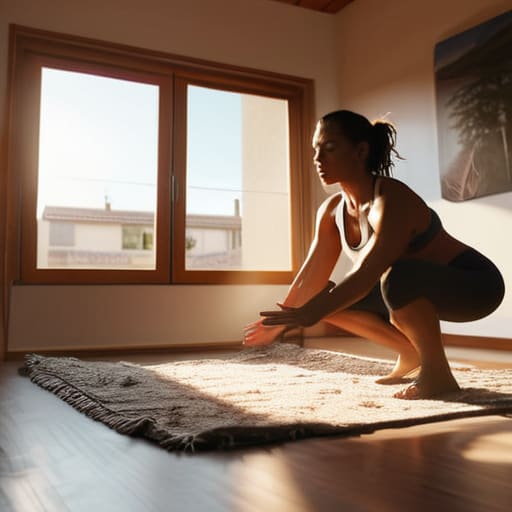
At the end of the day, building a home workout routine isn’t about mimicking a high-production fitness influencer or checking off every single box in a downloaded PDF. It’s about the practicalities we discussed: starting with the simplicity of a no-equipment circuit, setting a baseline that doesn’t leave you burnt out by Tuesday, and creating a plan that actually fits into the messy reality of your daily life. Whether you are using your living room floor or a corner of the spare bedroom, the goal is to strip away the unnecessary friction. You don’t need a subscription to a digital trainer to find movement; you just need the discipline to show up for yourself, even when the house is loud or the workday was longer than expected.
As we navigate this era of constant digital noise and “optimization” culture, I want to challenge you to view fitness as a way to reclaim your autonomy rather than another metric to track. Don’t let a smart watch or a streak counter become a source of anxiety. Real progress isn’t found in a data point; it’s found in the quiet strength you build when you decide to move simply because it makes you feel alive. Use these tools and routines to serve your body, not the other way around. After all, the best kind of movement is the one that leaves you feeling more capable of facing the world, not more tethered to a screen.
Frequently Asked Questions
How do I actually stay motivated when my living room feels more like a place to relax than a place to sweat?
The psychological friction is real. Your brain associates that rug with Netflix and takeout, not burpees. To fix this, stop trying to transform your entire living room into a gym; that’s a recipe for burnout. Instead, create a “sensory trigger.” Maybe it’s a specific playlist or even just clearing a very specific 4×4 patch of floor. You aren’t building a studio; you’re just reclaiming a small corner of your space.
Is it even worth investing in any gear, or am I just falling for another marketing gimmick?
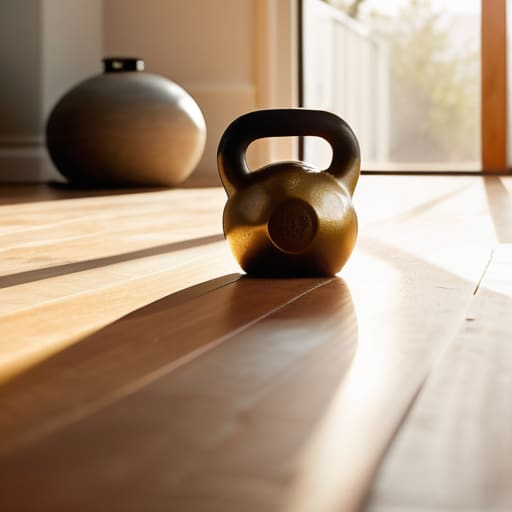
Look, I get the temptation. Every Instagram ad promises that a $2,000 smart bike will finally make you consistent. But most of the time, it’s just more digital noise. If you’re just starting, don’t buy into the hype. A few heavy books or a single kettlebell can do wonders. Invest in quality only when your body outgrows your space, not because a marketing algorithm told you that you’re “missing” something.
How do I know if I'm actually doing these movements correctly without a trainer staring me down?
It’s a valid fear. Without a trainer hovering over you, it’s easy to feel like you’re just flailing in your living room. My advice? Use your phone, but not for a mindless app. Record a quick video of yourself from the side and compare it to a professional demo. It’s a bit awkward, I know, but seeing your own alignment is more grounding than any digital coach’s voice. Listen to your joints, not just the hype.
