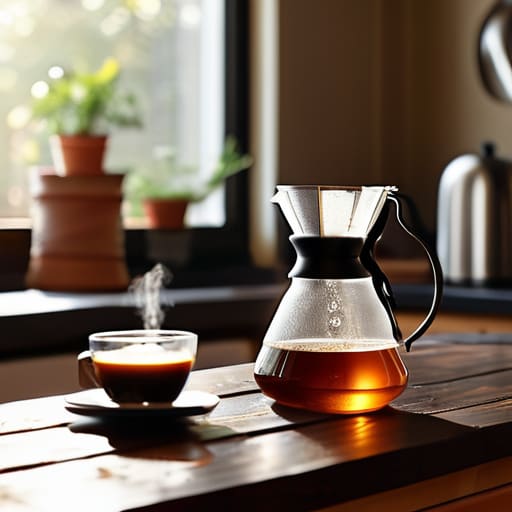
I was sitting in my kitchen last Tuesday, staring at a $600 smart espresso machine that promised to “revolutionize” my morning through an app-connected interface, and I felt nothing but pure irritation. We’ve reached this absurd point where we think we need more algorithms and more connectivity just to get a decent caffeine fix. The tech industry loves to sell us the idea that complexity equals quality, but when it comes to coffee brewing methods, most of these high-tech gadgets are just expensive noise designed to distract us from the actual craft. I don’t need a Bluetooth connection to tell me my beans are slightly over-extracted; I need a reliable process that respects the bean and my time.
I’m not here to sell you on the latest shiny gadget or a subscription service that claims to optimize your neurochemistry. Instead, I want to strip away the marketing fluff and look at how different coffee brewing methods actually function in a real, messy, human life. I’ll be sharing the practical, hands-on techniques I’ve honed over years of trial and error—the ones that prioritize flavor and ritual over unnecessary digital intervention. Let’s find the methods that actually give you a moment of peace, rather than just another device to manage.
Table of Contents
- The Pour Over Coffee Technique Slowing Down to Taste Life
- Mastering Optimal Coffee Grind Size for Intentional Flavor
- Five Ways to Reclaim Your Morning Ritual
- Reclaiming the Ritual: Why Your Morning Brew Matters
- The Friction of the Perfect Cup
- Reclaiming Your Morning Ritual
- Frequently Asked Questions
The Pour Over Coffee Technique Slowing Down to Taste Life
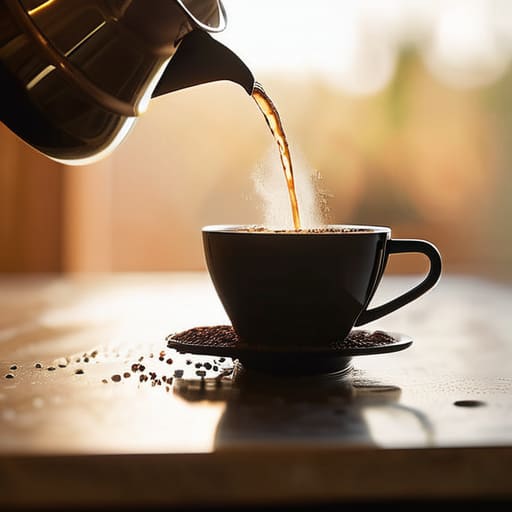
There is something deeply meditative about the pour over coffee technique that a programmable machine simply cannot replicate. When I’m standing in my kitchen, watching the water bloom through the grounds, I’m not just making a drink; I’m reclaiming a few minutes of my morning from the digital noise. It requires intention. You can’t just hit a button and walk away to check your emails. You have to be present, watching the steady stream, ensuring you hit that optimal coffee grind size to prevent a bitter, over-extracted mess.
It’s a lesson in patience that feels increasingly radical in our “instant gratification” culture. Unlike the heavy, sediment-filled body you get from a French press, a pour over offers a clarity of flavor that demands your full attention. You start to notice the subtle notes—the brightness of a Kenyan bean or the chocolatey undertones of a Brazilian roast. It’s about the nuance. In a world that feels like it’s constantly accelerating, mastering this slow ritual is my way of reminding myself that some things are actually better when they take a little more effort.
Mastering Optimal Coffee Grind Size for Intentional Flavor
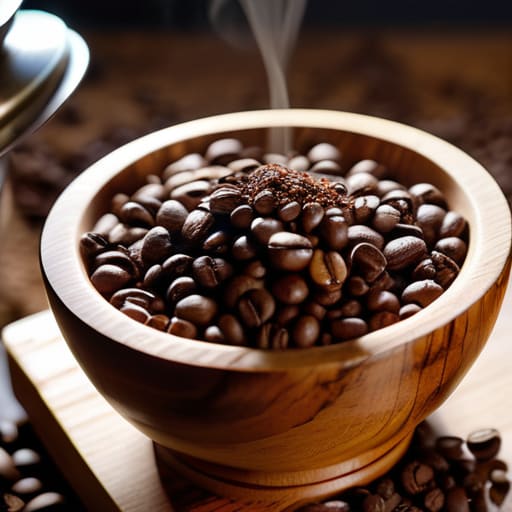
If you’ve ever felt cheated by a cup that tastes more like battery acid than a morning ritual, the culprit probably isn’t your beans—it’s your grind. We live in an era of “set it and forget it” automation, but if you want actual nuance, you have to get your hands a little dirty. Finding the optimal coffee grind size is where the science of the bean meets the art of the person. It’s a calibration of patience. If your grind is too fine, you’re essentially choking the water, leading to a bitter, over-extracted mess that ruins the delicate notes you paid for.
Conversely, if you go too coarse, you’re left with a thin, sour liquid that lacks any soul. I’ve found that treating the grind as a variable rather than a constant is what separates a mindless caffeine hit from a genuine experience. Whether you are navigating the complexities of a pour over coffee technique or experimenting with a French press, the texture of those grounds dictates your entire morning. It’s a small, tactile way to reclaim control in a world that’s increasingly decided for us.
Five Ways to Reclaim Your Morning Ritual
- Stop relying on pre-ground bags. If you want to actually taste the notes you’re paying for, buy a decent burr grinder and do the work yourself; the texture is worth the extra thirty seconds.
- Treat your water like an ingredient, not a utility. If your tap water tastes like a swimming pool, your expensive beans will too—use filtered water to let the actual flavor shine.
- Ditch the “set it and forget it” mindset. Whether you’re using a French press or a Chemex, pay attention to the bloom; watching the gases escape is the best cue that you’re doing it right.
- Get a digital scale and stop eyeballing it. We live in an era of precision, and honestly, guessing the ratio of coffee to water is just a recipe for a mediocre morning.
- Clean your gear like you mean it. There is nothing that kills a moment of zen faster than the bitter, rancid aftertaste of old oils clinging to a neglected carafe.
Reclaiming the Ritual: Why Your Morning Brew Matters
Stop viewing coffee as mere fuel to power through a spreadsheet; treat the brewing process as a necessary, tactile pause in an otherwise digital-heavy day.
Precision isn’t about chasing perfection for the sake of a trend, but about understanding how small, intentional adjustments—like your grind size—give you agency over your sensory experience.
Choose manual methods not because they are “easier,” but because they force you to engage with the physical world, providing a grounding counterweight to the constant noise of the tech age.
The Friction of the Perfect Cup
We’ve become so obsessed with the efficiency of a single button press that we’ve forgotten that the ritual is actually the point; choosing a manual brewing method isn’t just about the caffeine, it’s about reclaiming those five minutes of your morning from the digital noise.
Yvette Marchetti
Reclaiming Your Morning Ritual
At the end of the day, choosing a brewing method isn’t just about the caffeine hit; it’s about the intentionality behind the cup. Whether you’re meticulously timing a pour-over to catch those delicate floral notes or dialing in your grind size to ensure a balanced extraction, you are making a choice to engage with your environment. We’ve spent so much of our lives optimizing for speed and frictionless convenience that we’ve accidentally automated away the small, tactile joys that keep us grounded. Mastering these techniques allows you to move from being a passive consumer of a beverage to an active participant in your own morning.
As I sit here at my desk, looking at my paper planner and my half-finished Chemex, I’m reminded that technology and automation should serve us, not dictate our pace. We don’t need a smart machine to tell us when our coffee is ready; we need the patience to learn the craft ourselves. Don’t let the rush of the digital age rob you of these small, analog victories. Use your coffee ritual as a daily act of resistance against a world that demands you move faster than you were meant to. Sometimes, the most radical thing you can do is simply slow down and taste the moment.
Frequently Asked Questions
Is the extra effort of manual brewing actually worth the flavor difference, or is it just another way to complicate my morning?
Look, I get the skepticism. We’re already drowning in “optimized” workflows and digital noise; the last thing we need is a complicated chore before 8:00 AM. But there’s a massive difference between mindless automation and intentional ritual. Yes, the flavor profile is objectively cleaner, but the real payoff isn’t just the caffeine—it’s the friction. That minute of manual effort forces you to actually inhabit your morning instead of just scrolling through it.
How do I balance the desire for a precise, intentional ritual with the reality of a chaotic work week?
Look, I get it. Some mornings you have the headspace for a meticulous pour-over, and other mornings you’re just trying to survive a back-to-back Zoom marathon. Don’t let the pursuit of perfection become another chore on your to-do list. On the chaotic days, switch to a high-quality French press or a reliable AeroPress. It’s still a ritual, just a faster one. The goal isn’t the perfect cup; it’s reclaiming those five minutes for yourself.
At what point does investing in high-end manual gear stop being a tool for better coffee and start becoming just another piece of unnecessary tech clutter?
It becomes clutter the moment the gear starts managing you instead of the other way around. If you’re spending more time researching titanium burr sets or obsessing over Gooseneck goose-neck ergonomics than actually enjoying the quiet of your morning, you’ve crossed the line. High-end tools should serve your ritual, not become a second job. If the equipment adds friction rather than flavor, it’s just more digital-age noise masquerading as “optimization.”
