
I was sitting in my kitchen last Tuesday, trying to explain to my mother why her new “smart” pill dispenser kept chirping like a caffeinated bird, when it hit me: we are doing this all wrong. Most of the industry surrounding tech for aging seems obsessed with turning our elders into data points or, worse, making them feel like they’re living in a sci-fi movie they never auditioned for. We don’t need more flashing lights, complicated interfaces, or expensive gadgets that require a PhD to operate just to remind us to take an aspirin. We need tools that actually work without stripping away the dignity of the person using them.
In this post, I’m cutting through the marketing noise to look at what actually matters. I won’t be pitching you the latest shiny toy that will be obsolete by next Christmas; instead, I’m sharing a pragmatic look at how we can use technology to support independence rather than manage decline. My goal is to help you find the few, meaningful tools that offer genuine freedom—the kind that lets our loved ones stay in their homes longer without feeling like they’ve been replaced by a circuit board.
Table of Contents
Smart Home Devices for Elderly Safety Tools Not Tethers
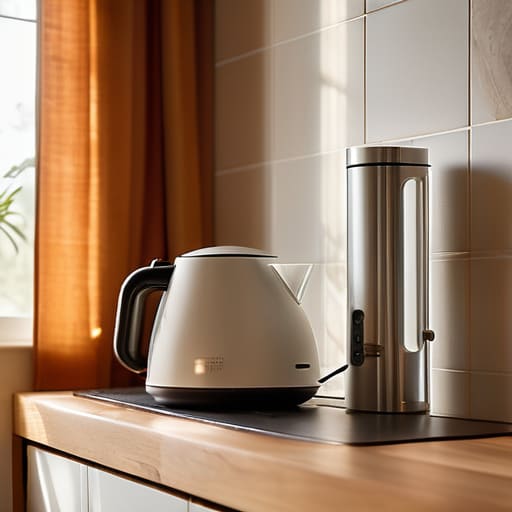
We’ve all seen the commercials: a sleek, glowing device that promises to watch over your parents while you’re at work. But there’s a fine line between a helpful tool and a digital leash. When we talk about smart home devices for elderly safety, the goal shouldn’t be to turn a living room into a high-tech surveillance hub. Instead, we should be looking at subtle interventions—like motion sensors that alert a caregiver if the kettle hasn’t been turned on by 10:00 AM, or smart lighting that prevents a midnight stumble. These are quiet safeguards, not intrusive monitors.
The real challenge lies in how we implement these aging in place technology solutions. It isn’t enough to just drop a tablet on a coffee table and call it progress. Without a focus on digital literacy for seniors, these gadgets often end up gathering dust or, worse, causing genuine anxiety. We need to ensure the tech serves the person, not the other way around. If a device requires a PhD to operate, it’s not a solution; it’s a burden. Real safety comes from tools that feel invisible until they are actually needed.
Aging in Place Technology Solutions That Respect Privacy

There is a fine line between a tool that assists and a device that surveils. When we talk about aging in place technology solutions, the conversation often veers toward constant monitoring, which can feel less like support and more like a digital leash. I’ve seen how easily the “safety” argument can be used to justify invasive cameras or sensors that strip a person of their dignity in their own living room. We have to ask: is this device helping them live more independently, or is it just making them easier to track?
The real magic happens when we lean into more discreet gerontechnology trends that prioritize autonomy. Instead of a camera pointed at the dining table, think about ambient sensors that detect changes in routine or fall-detection systems that don’t require a person to be “on” all the time. The goal should be to integrate unobtrusive support that respects their personal boundaries. We need to advocate for systems that offer peace of mind to families without turning a senior’s private sanctuary into a data-collection hub.
Five Ways to Integrate Tech Without Losing the Human Touch
- Prioritize “invisible” tech over flashy gadgets. The best tools are the ones that work in the background—like automatic pill dispensers or smart thermostats—rather than devices that demand constant attention or complex troubleshooting.
- Focus on connection, not just monitoring. Instead of just installing cameras that make people feel watched, prioritize high-quality video calling setups that make a weekly chat with a grandchild feel like a shared moment rather than a digital chore.
- Audit the “noise” before you buy. Before adding a new device to the mix, ask if it actually solves a problem or if it’s just another notification to manage. If a gadget adds more stress than it relieves, it’s not a solution; it’s a distraction.
- Keep the learning curve shallow. We often overestimate how much people want to “master” a new interface. Stick to devices with tactile buttons or intuitive voice commands that mimic natural conversation rather than complex menu systems.
- Ensure the human remains the decision-maker. Technology should provide the data, but the person living in the home should still hold the reins. Always ask: “Does this tool give them more autonomy, or does it just hand control over to a software developer?”
The Bottom Line: Tech with Intention
Prioritize tools that offer independence rather than constant surveillance; the goal is to support autonomy, not to turn a home into a high-tech monitoring station.
Always vet new gadgets through a human-centric lens to ensure they are solving real problems instead of just adding digital noise and complexity to daily routines.
Remember that technology is a supplement to, not a replacement for, human connection and the dignity that comes with managing one’s own life.
The Human Cost of Convenience
We have to stop asking if a device can monitor a person, and start asking if that device actually honors their dignity. A sensor that detects a fall is a lifeline, but a system that turns a living room into a data-collection hub is a cage. Technology for aging should be about expanding a person’s world, not shrinking it down to a series of alerts on a caregiver’s phone.
Yvette Marchetti
Finding the Balance

At the end of the day, we have to remember that a smart sensor or a simplified tablet is just a tool—it isn’t a substitute for a knock on the door or a long phone call. We’ve looked at how smart homes can provide safety nets and how privacy-focused tech can protect dignity, but the common thread is that these solutions only work if they serve the person using them. We shouldn’t be looking for the most advanced gadget on the market; we should be looking for the one that minimizes friction and maximizes a sense of normalcy. Tech should bridge the gap between independence and assistance, never acting as a barrier to the human elements of care.
As we move further into this digital era, my hope is that we stop asking how much technology can do for our aging loved ones and start asking how much it can get out of their way. Real progress isn’t found in a more complex interface or a louder notification; it’s found in the quiet confidence of a person who knows they can navigate their own home with ease. Let’s use these innovations to protect autonomy, ensuring that as our world becomes increasingly automated, our elders don’t feel more isolated, but rather more empowered to live on their own terms.
Frequently Asked Questions
How do we balance the need for safety monitoring with the very real fear of feeling like we're being watched in our own homes?
It’s a delicate line to walk. We have to stop treating safety like a surveillance state and start treating it like a support system. The trick is choosing “passive” tech over “active” monitoring. Instead of a camera that watches every move, think about motion sensors or smart plugs that tell you if the kettle was turned on. We need tools that signal presence without stripping away the dignity of privacy.
What are the actual costs of staying "connected" through these devices, and is the subscription fatigue worth the peace of mind?
Let’s be real: the “peace of mind” comes with a monthly invoice. Between hardware costs and those creeping subscription fees for cloud storage or premium monitoring, these tools can quickly turn into a second mortgage. I call it the “convenience tax.” Before you buy, map out the three-year cost, not just the sticker price. If the subscription feels like a leash rather than a safety net, it’s probably not worth the mental clutter.
How can we help older generations adopt these tools without making them feel like they're being patronized by a piece of software?
Stop treating them like they’ve lost their agency. The moment we frame a new device as a “safety net” for someone who still values their independence, we’ve already lost. Instead of saying, “This will monitor you,” try, “This handles the boring stuff so you can focus on what matters.” We need to pitch tech as a way to maintain control, not a way to surrender it. It’s about empowerment, not supervision.
