
I was sitting at my kitchen table last Tuesday, staring at a half-restored mid-century credenza and a blinking cursor, when I realized I was doing it again. I was checking my work email during my “off” time, convinced that being available at 9:00 PM was the only way to prove I was actually working. We’ve been sold this glossy, tech-driven myth that flexible working hours mean we can do it all, anytime, anywhere. But let’s be honest: most of the time, it just means the office has followed us into our living rooms, blurring the lines until there’s nothing left of our private lives but a sense of constant, low-grade anxiety.
I’m not here to give you another HR-approved manual on “optimizing productivity metrics” through digital scheduling tools. Instead, I want to talk about how we actually reclaim our agency. I’m going to share what I’ve learned from years in the corporate trenches and my time observing these shifts from the outside, focusing on how to use flexible working hours to build a life that feels genuinely sustainable. We’re going to strip away the hype and look at how to set boundaries that actually stick.
Table of Contents
- Reclaiming Autonomy Through Diverse Flexible Schedule Models
- The Real Work Life Balance Benefits of Human Centric Design
- Making Flexibility Work Without Losing Your Mind
- The Bottom Line: Making Flexibility Work for Humans, Not Just Metrics
- The Freedom Metric
- Finding the Balance in the Noise
- Frequently Asked Questions
Reclaiming Autonomy Through Diverse Flexible Schedule Models
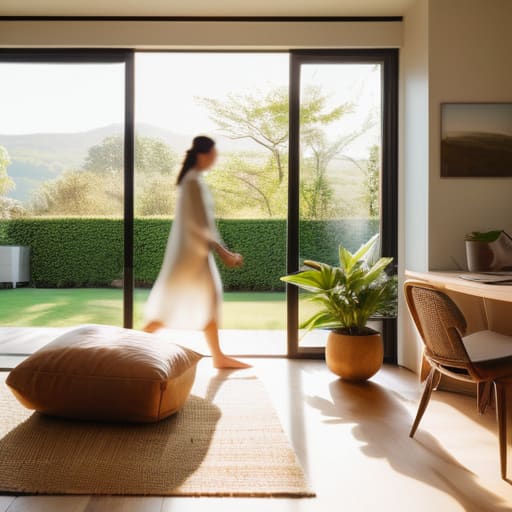
When we talk about flexibility, we often default to the idea of just “working from home.” But if we’re being honest, simply moving your desk from a corporate cubicle to your kitchen table isn’t true freedom if you’re still tethered to a rigid 9-to-5 digital leash. To truly reclaim our agency, we need to look at different flexible schedule models that prioritize output over presence. I’ve seen companies implement compressed workweeks or “core hours” where everyone is online for a few shared windows, leaving the rest of the day for deep work or, more importantly, for actually living.
This shift isn’t just about convenience; it’s about the fundamental link between employee engagement and autonomy. When a manager trusts me to handle my mid-century furniture restoration in the afternoon because I crushed my targets by noon, it changes the psychological contract of work. We stop performing “busyness” and start focusing on results. It’s a move away from the performative exhaustion that defines so much of modern office culture and toward a model that respects our capacity to be both productive professionals and multifaceted human beings.
The Real Work Life Balance Benefits of Human Centric Design

We need to stop treating “work-life balance” like a buzzword printed on a glossy corporate brochure and start treating it like a structural necessity. When companies design workflows around human rhythms rather than rigid 9-to-5 blocks, the results are tangible. It isn’t just about being able to pick up a child from school or squeeze in a gym session; it’s about the psychological relief of knowing your output matters more than your presence in a swivel chair. This shift toward remote work flexibility allows us to integrate our professional responsibilities into our lives, rather than forcing our lives to fit into the narrow gaps left by our jobs.
The true magic happens when we lean into asynchronous communication strategies to bridge the gap. When we stop demanding instant replies to every ping, we give people the mental bandwidth to actually think. This reduces the constant, low-grade anxiety of the “always-on” culture and fosters a deeper sense of trust. Ultimately, the impact of flexibility on retention isn’t just a metric for HR to track; it’s a sign that an organization actually respects the person behind the screen.
Making Flexibility Work Without Losing Your Mind
- Set hard boundaries for your “off” hours. Flexibility shouldn’t mean you’re perpetually on call; if you don’t define when you’re unavailable, the digital noise will bleed into your dinner and your sleep.
- Prioritize output over hours logged. We need to stop worshiping the “butt-in-seat” metric and start valuing the actual work produced. If the job gets done by 3 PM, let the person go enjoy their afternoon.
- Over-communicate your schedule. When you aren’t visible in a traditional office setting, clarity is your best friend. Use your status updates and calendars to tell people exactly when you’re reachable so no one feels ignored.
- Build “synchronous windows” into your day. Total autonomy is great, but we’re still social creatures. Carve out a specific block of time where everyone is online at once to prevent the frustration of endless, lagging email chains.
- Audit your tools regularly. Don’t let a new project management app become a digital leash. If a tool is adding more complexity than it’s solving, ditch it and go back to a system that actually serves your workflow.
The Bottom Line: Making Flexibility Work for Humans, Not Just Metrics
Flexibility shouldn’t be a corporate buzzword used to justify “always-on” expectations; it only works if it actually grants us the agency to step away from our screens.
True autonomy means moving past rigid, one-size-fits-all schedules and embracing models that respect the messy, unpredictable reality of being a person with a life outside of work.
We need to stop measuring success by how many hours we’re “available” digitally and start focusing on whether our work structures actually leave us with enough energy to live our real lives.
The Freedom Metric
“We need to stop treating flexible hours as a corporate perk to be managed and start seeing them for what they actually are: a fundamental tool for reclaiming our agency in a world that never stops pinging.”
Yvette Marchetti
Finding the Balance in the Noise

At the end of the day, implementing flexible working hours isn’t about chasing the latest productivity hack or checking a box for “company culture.” It’s about acknowledging that we are more than just nodes in a digital network. We’ve looked at how different scheduling models can restore a sense of agency and how designing work around human needs—rather than forcing humans to fit into rigid, outdated systems—actually creates a more sustainable way to live. When we stop treating flexibility as a luxury and start seeing it as a fundamental component of professional respect, we begin to fix the cracks that burnout has left in our lives.
We are currently standing at a crossroads where technology gives us the tools to work from anywhere, but it also threatens to make us available everywhere, all the time. My hope is that we use this era of flexibility to build boundaries, not to dissolve them. Let’s use these new tools to reclaim our time and our focus, ensuring that our jobs serve our lives rather than the other way around. Real progress isn’t found in a more efficient algorithm; it’s found in the freedom to be human in a world that often forgets we are.
Frequently Asked Questions
How do we stop "flexible hours" from just becoming an excuse for companies to expect us to be reachable 24/7?
We have to stop treating “flexibility” as a synonym for “availability.” If your contract says you work flexible hours, it shouldn’t mean you’re on call for the digital void. We need to set hard boundaries—actual, non-negotiable “off” times—and insist on clear communication protocols. If a company uses flexibility to erode your privacy, that’s not a perk; it’s a trap. Let’s demand tools that respect our downtime, not just our uptime.
Is it actually possible to maintain a sense of team culture and connection when everyone is working on their own clock?
It’s the question that keeps every manager up at night, isn’t it? We’ve been conditioned to believe that culture happens in the “watercooler moments”—those accidental collisions in a physical hallway. But culture isn’t a location; it’s a set of shared intentions. If we replace mindless presence with intentional, asynchronous connection, we don’t lose the bond. We just stop pretending that sitting in the same room for eight hours is the same thing as actually being a team.
How do I pitch this to a traditional boss who still thinks "real work" only happens between 9 and 5 at a desk?
Don’t pitch “freedom”—pitch results. Traditional bosses fear loss of control, so speak their language: metrics, output, and reliability. Instead of talking about your lifestyle, show them a pilot plan. Propose a trial period with clear, measurable KPIs to prove that your productivity doesn’t dip when you’re away from your desk. You aren’t asking for a favor; you’re proposing a more efficient way to hit their targets. Focus on the data, not the vibes.
