
Last weekend, I was hunched over my workbench, the scent of lemon oil and old teak filling the air, trying to stabilize the leg of a mid-century credenza. It’s a slow, tactile process, but there is something deeply satisfying about fixing what is broken. Then, I looked at my phone—the screen was flickering, a tiny, expensive glitch—and I felt that familiar, hollow frustration. We’ve been conditioned to believe that when a piece of technology falters, it’s “obsolete,” but that’s a lie designed to keep us spending. The fight for the right to repair isn’t just about getting a screwdriver or a replacement battery; it’s about refusing to be treated like a temporary tenant in our own lives.
I’m not here to give you a lecture on legislative jargon or tech industry hype. Instead, I want to pull back the curtain on how these systems actually work—and how they fail us. I promise to provide a pragmatic look at what it actually means to maintain your digital tools, moving past the marketing noise to help you reclaim your autonomy. We’ll explore how to navigate the friction between owning a device and actually controlling it.
Table of Contents
Unmasking the Truth of Planned Obsolescence Explained

We’ve all been there: your phone starts lagging just as the new model is announced, or a perfectly good laptop suddenly refuses to boot because of a minor battery issue. This isn’t a coincidence; it’s the core of planned obsolescence explained. For years, manufacturers have designed products with a built-in expiration date, often using proprietary screws or fragile components that make a simple fix nearly impossible. It’s a calculated cycle designed to keep us in a state of constant upgrading, turning our once-reliable tools into disposable junk.
The real sting, however, isn’t just the hardware—it’s the invisible barriers. We’re seeing a rise in software locks and digital rights restrictions that prevent even the most skilled technicians from accessing the code needed to fix a device. By gatekeeping repair information, companies effectively kill off independent repair shop access, forcing you back into their expensive, official ecosystems. It’s a frustrating loop that prioritizes quarterly earnings over the longevity of the products we rely on every single day.
Breaking Free From Software Locks and Digital Rights

It’s one thing when a physical hinge snaps on an old teak sideboard; you can find a replacement part or learn a new joinery technique. It’s an entirely different beast when your smartphone becomes a glorified paperweight because of a line of code. We’re increasingly seeing a trend where hardware is perfectly functional, but software locks and digital rights management act as a virtual padlock, preventing us from accessing the very tools we paid for. It feels less like protecting intellectual property and more like a modern form of digital feudalism, where we own the device but the manufacturer owns the permission to use it.
This shift toward “software-as-a-service” for everything from tractors to thermostats is a massive hurdle for the legislative right to repair movement. When companies use proprietary software to gatekeep repairs, they effectively kill independent repair shop access, forcing us into a closed loop of expensive, manufacturer-approved service centers. It’s a frustrating cycle that prioritizes recurring revenue over product longevity. We need to demand transparency—not just in how a device is built, but in how it is controlled long after it leaves the box.
How to Take Back Control (Before Your Tech Gives Up on You)
- Audit your purchases before they arrive. I’ve learned the hard way that if a company doesn’t provide a repair manual or sell replacement parts on their own site, they aren’t selling you a tool—they’re selling you a ticking clock.
- Prioritize modularity over sleekness. A thin, seamless smartphone might look great on a desk, but if the battery is glued in with industrial-strength adhesive, you’re essentially buying a disposable gadget. Look for devices that actually let you swap components.
- Build your own “analog” toolkit. You don’t need a lab, but having a decent set of precision screwdrivers and a bit of patience goes a long way. Don’t wait for a crisis to realize you don’t have the basic tools to open your own hardware.
- Support the legislation, even if it feels slow. It’s easy to feel cynical about policy, but the Right to Repair laws being fought in state capitals are the only thing standing between us and a total monopoly on maintenance.
- Join the community of makers. Whether it’s an online forum or a local repair cafe, don’t try to figure it out in a vacuum. There is a massive, quiet movement of people sharing knowledge that tech giants would much rather see kept under lock and key.
The Bottom Line: Why This Fight Matters for All of Us
We need to stop treating our gadgets like disposable paper plates; reclaiming the right to repair is about moving away from a culture of waste and back toward a culture of stewardship.
True ownership shouldn’t end the moment we swipe our credit cards; if we can’t access the tools or parts needed to fix what we bought, we don’t actually own it—we’re just renting it.
This isn’t just about saving a few bucks on a cracked screen; it’s about fighting for the autonomy to live our lives without being tethered to a manufacturer’s restrictive ecosystem and constant upgrade cycle.
The Cost of Convenience
“We’ve been sold this idea that disposability is progress, but there is nothing truly advanced about a world where we are forced to replace everything the moment a single screw turns or a software update fails. True ownership isn’t just having the receipt; it’s having the agency to keep our tools alive.”
Yvette Marchetti
The Choice is Ours
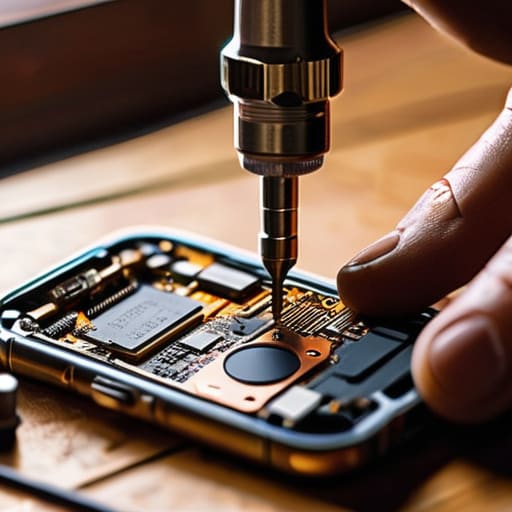
At the end of the day, the fight for the right to repair isn’t just about a cracked smartphone screen or a non-replaceable battery; it’s about resisting a culture of disposable living. We’ve spent the last decade being conditioned to accept planned obsolescence as an inevitability, trading our autonomy for the convenience of a shiny, seamless upgrade cycle. But once we peel back the layers of software locks and proprietary screws, we see the real cost: a loss of agency. We shouldn’t have to ask permission to maintain the tools we’ve already paid for, and we certainly shouldn’t be forced into a cycle of endless consumption just to keep our digital lives running.
As I sit here at my desk, looking at my half-restored teak sideboard, I’m reminded that there is a profound dignity in fixing things. It requires patience, a bit of grit, and a refusal to let something “broken” define its worth. We need to carry that same spirit into our digital lives. Let’s stop treating our technology like fragile, black-box mysteries and start treating it like the tools they are meant to be. True progress isn’t found in the next unboxing video; it’s found in the freedom to sustain what we own. Let’s reclaim our right to be more than just mere users—let’s be stewards of our own world.
Frequently Asked Questions
If I manage to fix my own device, am I going to void my manufacturer's warranty or lose out on official support?
Here’s the uncomfortable truth: the fear of “voiding your warranty” is often used as a scare tactic to keep you dependent. Legally, in many places, simply opening a device shouldn’t strip your rights, but manufacturers love to make the fine print murky. If you break something while tinkering, you’re on your own. My advice? Learn the limits before you dive in. Aim for repairs that respect the hardware without triggering those legal loopholes.
How much of this is actually about the environment, and how much is just companies protecting their profit margins?
Let’s be real: the environmental argument is often the shiny packaging used to sell a much colder reality. While it’s true that e-waste is a crisis, companies rarely lead the charge for sustainability unless it’s convenient for their bottom line. For them, “eco-friendly” rhetoric is a convenient shield to deflect from the fact that they’ve engineered these devices to die. It’s less about saving the planet and more about protecting their replacement cycle.
Is there a realistic way for the average person to learn these skills, or is "right to repair" mostly a battle for professional technicians?
Look, I’m not suggesting we all turn our dining tables into makeshift soldering stations. That’s overkill. But there is a massive middle ground between “professional technician” and “helpless consumer.” With sites like iFixit and a bit of patience, most of us can handle modular repairs—swapping a battery or a screen. It’s less about becoming an engineer and more about reclaiming the agency to fix what we actually own.
