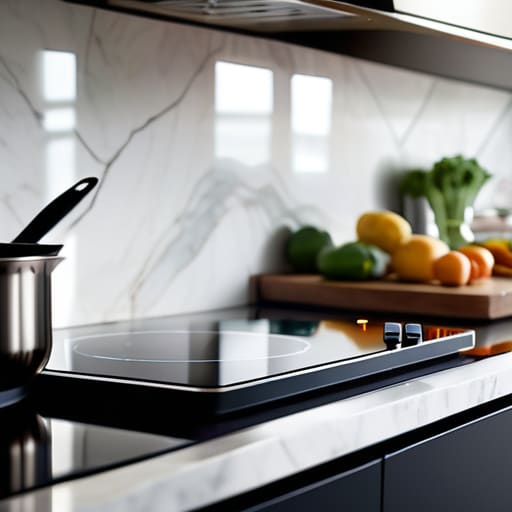
I was mid-way through stripping a vintage teak sideboard last weekend when my phone pinged with a notification from my “connected” oven, informing me that my preheat cycle was complete. I stared at the screen, a bit stunned, and realized I hadn’t even thought about dinner yet. It struck me then how much of the current obsession with smart kitchenware feels like we’re solving problems that don’t actually exist. We are being sold a vision of culinary perfection that relies on firmware updates and stable Wi-Fi, but I don’t need a Bluetooth-enabled spatula to tell me when my eggs are done; I need tools that respect my time and my intelligence.
In this piece, I’m stripping away the marketing gloss to look at what these gadgets actually bring to the table. I won’t be giving you a curated list of the flashiest new toys on the market; instead, I want to explore where technology actually serves the cook and where it just creates unnecessary friction. My goal is to help you decide which pieces of tech are worth your counter space and which ones are just expensive noise that will end up in a junk drawer by next year.
Table of Contents
- Precision Cooking Technology Reclaiming Control Through Data
- App Controlled Kitchen Tools Are We Losing Our Culinary Instincts
- How to Curate a Smart Kitchen Without Losing Your Soul
- The Bottom Line: Finding the Middle Ground
- The High Cost of Convenience
- Finding the Middle Ground
- Frequently Asked Questions
Precision Cooking Technology Reclaiming Control Through Data
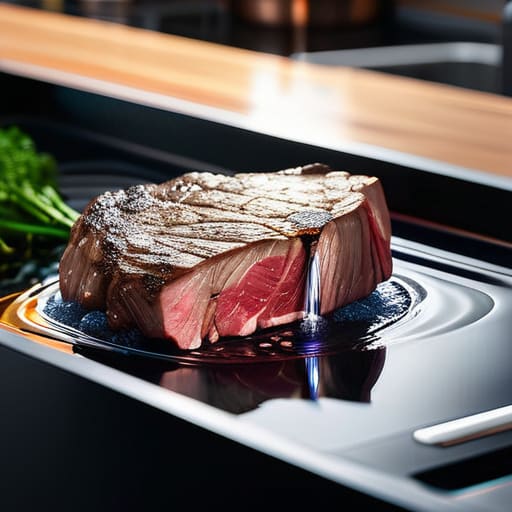
There is a specific kind of anxiety that comes with hosting a dinner party, the kind where you’re constantly hovering over a pan, terrified you’ve missed the window between “perfectly seared” and “inedible.” This is where I see the actual value in precision cooking technology. It isn’t about being lazy; it’s about removing the guesswork that leads to wasted food and ruined evenings. When I use an immersion circulator, I’m not outsourcing my culinary intuition to a machine—I’m using data to ensure that the protein I spent forty dollars on actually reaches the temperature I intended.
However, there is a fine line between a helpful tool and a digital distraction. While many app-controlled kitchen tools promise a seamless experience, I’ve found that the more “connected” a device becomes, the more it demands my attention via notifications. If I have to unlock my phone just to check if my sous-vide is still running, the technology has failed its primary purpose. Real precision should feel like a safety net, providing a quiet layer of reliability that allows me to actually engage with my guests instead of staring at a glowing screen.
App Controlled Kitchen Tools Are We Losing Our Culinary Instincts
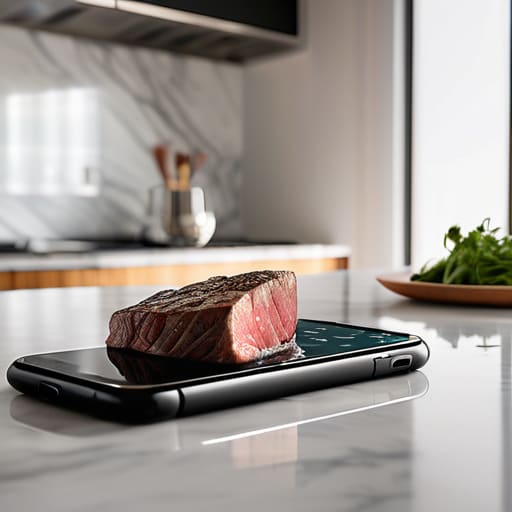
I recently found myself standing in my kitchen, staring at a notification on my phone telling me my sous-vide bath was at the perfect temperature. It felt absurd. I wasn’t cooking; I was merely supervising a piece of hardware. This is the central tension with the rise of app-controlled kitchen tools. On one hand, there is an undeniable convenience in being able to monitor a simmer from the living room, but on the other, I can’t help but feel we are slowly outsourcing our sensory intelligence.
When we lean too heavily on these connected kitchen ecosystems, we risk losing that intuitive “feel” for the craft. There is a specific, unquantifiable magic in knowing a steak is done by the resistance against your tongs or the way a sauce begins to thicken, rather than by a digital readout. If we let the software make every decision, we aren’t really cooks anymore—we’re just operators of automated systems. I worry that in our quest for perfect consistency, we are trading away the very soul of the culinary experience.
How to Curate a Smart Kitchen Without Losing Your Soul
- Prioritize function over connectivity. If a high-end sous vide machine helps you nail a perfect medium-rare every single time, buy it. If a smart salt shaker requires a Wi-Fi connection to season your steak, leave it on the shelf.
- Look for “dumb” backups. I never buy a piece of tech that doesn’t have manual overrides. If the app crashes or the server goes down, you should still be able to turn the stove on and cook dinner without a software update.
- Invest in longevity, not trends. The tech cycle moves at a breakneck pace, but a good cast iron skillet lasts a lifetime. Avoid gadgets that feel like they’ll be obsolete by next year’s model; aim for tools that integrate seamlessly into your existing workflow.
- Use data to learn, not to outsource. Treat smart thermometers and precision scales as training wheels, not a permanent crutch. The goal is to use the data to understand the why behind the cooking, so eventually, you can trust your own senses again.
- Audit your digital clutter. Before adding another app to your phone, ask yourself if that gadget is actually saving you time or just adding another notification to your day. A kitchen should be a place of focus, not another source of digital noise.
The Bottom Line: Finding the Middle Ground
Technology should serve as a sous-chef, not a replacement for your senses; use data to refine your skills, but don’t let an app tell you when the steak is done if your hands are telling you something else.
Prioritize durability and simplicity over connectivity; if a piece of cookware requires a firmware update just to boil water, it’s a gadget, not a tool.
True culinary progress isn’t about automation, it’s about using smart tools to remove the tedious friction of cooking so we can spend more time actually enjoying the meal and the people we’re sharing it with.
The High Cost of Convenience
“We have to ask ourselves if we’re actually mastering our kitchens or if we’re just outsourcing our intuition to an algorithm that doesn’t know the difference between a perfectly seared steak and a piece of meat that just hit a programmed temperature.”
Yvette Marchetti
Finding the Middle Ground
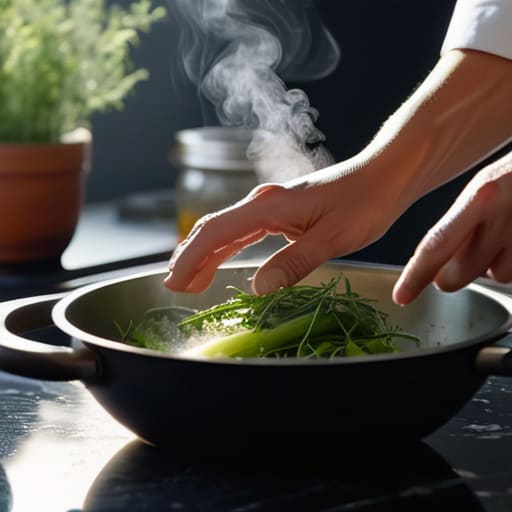
At the end of the day, smart kitchenware isn’t inherently good or bad; it’s just another tool in the drawer. We’ve looked at how precision sensors can take the guesswork out of a complex recipe, but we’ve also seen how over-reliance on an app can slowly erode the sensory intuition that makes cooking feel like an art rather than a chore. We don’t need to choose between being a technophobe or a gadget addict. Instead, we should aim for a curated kitchen—one where we use data to support our skills, not to replace the fundamental human experience of tasting, smelling, and feeling our way through a meal.
As I sit here at my desk, glancing at my paper planner and thinking about the mid-century sideboard I’m sanding this weekend, I’m reminded that the best things are often those that stand the test of time through simplicity. Let’s not let the “smart” revolution turn our kitchens into cold, automated laboratories. Let’s use these new technologies to strip away the friction and the frustration, leaving us with more space to actually enjoy the process. Technology should be the sous-chef that stays in the background, while you remain the chef.
Frequently Asked Questions
Is the upfront cost of these high-tech gadgets actually worth the long-term convenience, or am I just paying for a gimmick?
Let’s be honest: most of these gadgets are expensive distractions. If a smart sous-vide machine saves you from ruining a $50 steak, there’s real value there. But if you’re dropping a month’s grocery budget on a Wi-Fi-enabled spatula, you’re paying for the novelty, not the utility. Before you tap your card, ask yourself if the tech solves a genuine friction point in your life or if it’s just high-priced noise.
What happens to my kitchen setup when the manufacturer decides to stop supporting the app or pushes a buggy software update?
This is the part where my skepticism usually kicks in. When a manufacturer pulls the plug on an app or pushes a glitchy update, you aren’t just looking at a software bug; you’re looking at a bricked appliance. It’s a frustrating loss of agency. If your expensive new oven requires a cloud connection just to preheat, you haven’t bought a tool—you’ve entered a subscription service you never signed up for.
How do I balance using these data-driven tools without losing the basic, tactile skills that make cooking feel like an actual craft?
The trick is to treat these tools like a sous-chef, not a replacement for your own senses. Use the probe to confirm your intuition, not to override it. If the digital thermometer says the steak is ready, but your hands tell you it’s still too soft, trust your hands. Data should be a safety net, not a crutch. Keep the tactile connection—the smell, the sizzle, the texture—at the center of the process.
