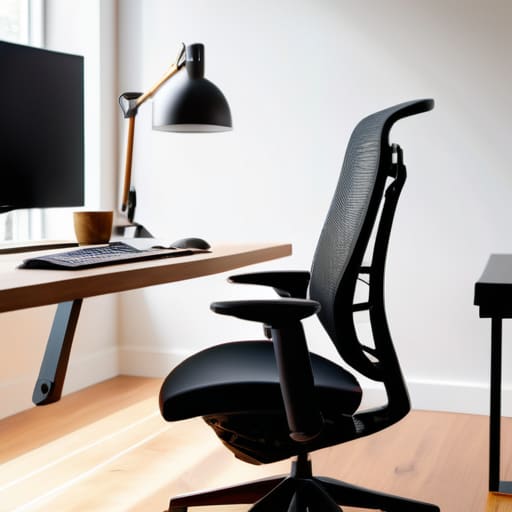
I spent fifteen years in corporate HR, and if there is one thing I learned, it’s how easily companies use “wellness” as a buzzword to mask systemic problems. Lately, I’ve seen a massive surge in marketing for high-tech, ultra-expensive ergonomic furniture that promises to fix your posture through a dozen different levers and digital sensors. It’s a racket. We’ve been sold this idea that if we just buy the right $1,200 chair with enough adjustable armrests, our chronic back pain will simply evaporate. But let’s be honest: a piece of equipment isn’t a magic wand, and no amount of expensive mesh can compensate for a workspace designed without actual human movement in mind.
I’m not here to sell you on the latest gadget or the “smart” desk that tracks your every move. Instead, I want to strip away the marketing noise and look at what actually works for a body that’s spent decades sitting in cubicles. I’m going to share what I’ve learned about choosing tools that actually support your biology rather than just feeding your tech-induced anxiety. We’re going to focus on practical, grounded ways to set up a space that respects your physical limits and, more importantly, gives you the freedom to work without paying a premium for hype.
Table of Contents
Investing in Musculoskeletal Health at Work

We often treat our bodies like secondary hardware, something that just needs to stay powered on while our brains do the heavy lifting. But after years in HR, I’ve seen too many professionals trade their long-term physical well-being for a temporary boost in output. Investing in your musculoskeletal health at work isn’t about buying the most expensive gear on the market; it’s about recognizing that your body isn’t designed to be a static object. When we ignore the physical toll of a desk job, we aren’t just dealing with a bit of stiffness—we are actively inviting chronic issues that can derail our careers and our quality of life.
The goal should be proactive, not reactive. Instead of waiting for a sharp pain in your wrist or neck to signal a crisis, look toward preventing repetitive strain injury through intentional movement and better tools. This might mean integrating adjustable standing desks to break up long bouts of sitting, or finally investing in a decent chair that offers real lumbar support. It’s about creating a setup that adapts to your anatomy, rather than forcing your spine to conform to a rigid, poorly designed workstation.
Lumbar Support Chairs Tools for Human Freedom
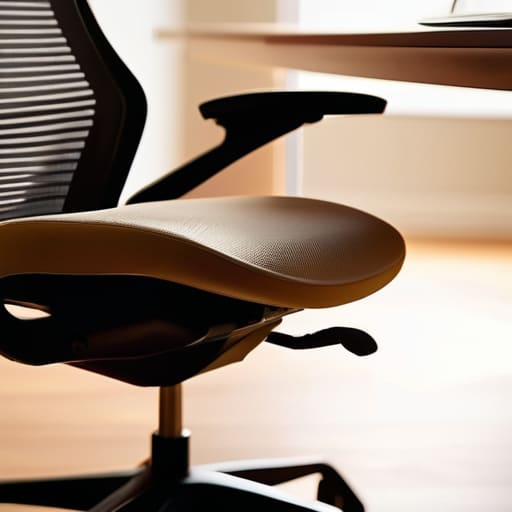
We’ve all been there—hunched over a laptop at 3:00 PM, feeling that dull, nagging ache in our lower backs that signals a long day of poor posture. The tech industry loves to sell us on the idea that a “smart” office is one filled with gadgets, but I’ve learned that true comfort is much more foundational. When we talk about lumbar support chairs, we aren’t just talking about buying a piece of expensive equipment; we are talking about providing our spines with the structural integrity they need to endure a workday. A chair that actually respects the natural curve of your back isn’t a luxury—it’s a tool for sustaining your focus without the constant distraction of physical discomfort.
However, a good chair is only one piece of the puzzle. You can buy the most sophisticated seat on the market, but if you remain frozen in one position for eight hours, you’re still fighting an uphill battle. I’ve found that the most effective way of preventing repetitive strain injury is to pair proper seating with intentional movement. It’s about creating a rhythm where your environment supports your biology rather than forcing you to adapt to a rigid, static setup.
Beyond the Sales Pitch: How to Actually Use Your Setup
- Stop treating your chair like a throne. No matter how much you spent on a high-end ergonomic model, if you’re slouching into a ball to reach a laptop on your lap, the engineering is wasted. Adjust the tension and height so your spine actually stays neutral, not just “supported” by a cushion you’re ignoring.
- The “Eye-Level Rule” isn’t a suggestion; it’s a necessity. If you’re staring down at a screen all day, you’re begging for neck strain. Get a monitor riser or a stack of old hardcovers to bring your display up. Your neck will thank you by the time you hit forty.
- Don’t get seduced by “active sitting” gadgets that demand constant movement. While some motion is good, you need stability to actually get deep work done. Choose a setup that allows you to find a steady rhythm rather than one that turns your desk into a fidget spinner.
- Your feet need to be part of the equation. If your chair is at the right height for your desk but your feet are dangling, you’re creating tension in your lower back that no lumbar pillow can fix. Use a footrest—even a sturdy box will do—to keep your weight distributed evenly.
- Listen to your body, not the manual. If a “perfectly ergonomic” setup feels restrictive or makes you feel stiff after twenty minutes, it’s wrong for you. Real ergonomics should feel like a quiet background supporter, not a cage that dictates exactly how you’re allowed to exist.
Cutting Through the Ergonomic Hype
Stop treating your office setup like a tech upgrade; prioritize physical support that respects your body’s natural movement over whatever gadget is currently trending.
Real ergonomic value isn’t found in a high price tag, but in how well a tool allows you to focus on your work without being distracted by physical discomfort.
Invest in furniture that promotes long-term health rather than quick fixes, ensuring your workspace supports your freedom to move instead of trapping you in a rigid routine.
Beyond the Marketing Hype
We need to stop treating ergonomic furniture like a status symbol or a productivity hack and start seeing it for what it actually is: a way to protect our physical autonomy in a world that demands we sit still for eight hours a day.
Yvette Marchetti
Finding the Balance Between Tech and Touch
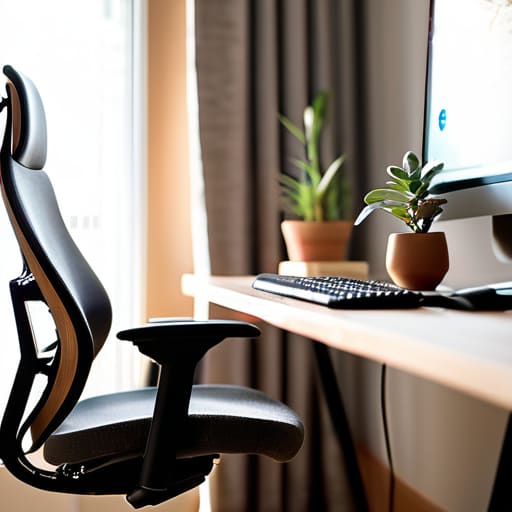
At the end of the day, investing in ergonomic furniture isn’t about chasing the latest high-tech gadget or buying a chair that looks like it belongs in a sci-fi film. It’s about recognizing that our bodies weren’t designed to be tethered to a desk for eight hours straight. Whether you’re adjusting your lumbar support or finally opting for a monitor stand that keeps your neck from aching, these aren’t just “office upgrades”—they are essential investments in your long-term mobility. We’ve spent years letting our workstations dictate our physical limits, but by choosing tools that respect our natural posture, we stop fighting against our own biology and start working with it.
As I sit here at my own desk, surrounded by a mix of modern tech and a few well-loved mid-century pieces, I’m reminded that the best setup is the one that fades into the background. Technology should serve us, not the other way around. Don’t let the marketing hype convince you that a thousand-dollar chair is a magic cure for a sedentary lifestyle; instead, use these tools to reclaim your physical agency. True productivity isn’t found in a perfectly optimized routine, but in the freedom to work deeply without being sidelined by preventable pain. Build a space that supports your life, not just your output.
Frequently Asked Questions
Is it actually worth the premium price tag to upgrade my home office setup, or is most of it just clever marketing?
Look, I get the hesitation. We’ve all seen the sleek, $1,500 chairs that look more like sculptures than tools. Most of it is marketing fluff designed to tap into our “optimization” anxiety. But here’s my take: don’t buy the brand, buy the mechanics. If a piece actually supports your posture and lets you work without that nagging ache in your neck, it’s an investment in your longevity. If it’s just aesthetic hype? Skip it.
How can I tell the difference between a chair that’s truly built for long-term health and one that just looks "high-tech" in a catalog?
Look past the chrome accents and the aggressive “gamer” aesthetics. A chair built for longevity doesn’t rely on flashy materials; it relies on adjustability that actually makes sense. If the levers feel flimsy or the “ergonomic” curves are fixed and unyielding, walk away. Real support means being able to fine-tune the tension and depth to fit your specific frame, not forcing your body to adapt to a designer’s idea of a silhouette.
If I’m working in a cramped space or a traditional desk setup, are there ways to improve my posture without completely replacing all my furniture?
Look, I get it. You can’t exactly drop a thousand dollars on a new setup just because your back is screaming. If you’re stuck with a standard desk, start small. Grab a decent lumbar roll or even a rolled-up towel to support that curve in your spine. Elevate your monitor with some sturdy books so you aren’t constantly hunching over. It’s about making small, intentional adjustments to reclaim your posture without a total overhaul.
