
I was sitting in my workshop last weekend, trying to strip the stubborn, dated varnish off an old teak sideboard, when I realized how much modern online community building feels like that—just layers of unnecessary, shiny coating hiding the actual wood. Every “guru” on my feed is currently peddling some expensive, automated platform or a complex algorithmic strategy, claiming that if you just buy the right software, people will magically flock to your digital doorstep. It’s exhausting. We’ve been sold this lie that community is something you manufacture with features and notifications, when in reality, those things are often just digital noise that drives people away.
I’m not here to sell you a subscription to a shiny new tool or a ten-step roadmap to “viral engagement.” Instead, I want to talk about the messy, unscalable, and deeply human work of actually connecting with people. I’m going to share what I’ve learned from years of watching corporate structures fail and real human networks thrive, focusing on how to build spaces that offer genuine stability rather than just more screen time. We’re going to strip away the hype and get back to the human core of why we seek each other out in the first place.
Table of Contents
Fostering Digital Connection Without Losing Our Humanity

When we talk about fostering digital connection, the temptation is to treat it like a math problem—optimizing for clicks, dwell time, or whatever metric the latest dashboard tells us matters. But people aren’t data points. If you approach your group with nothing but rigid community engagement strategies designed to juice numbers, you’ll end up with a hollow shell of a space. Real connection happens in the quiet, unscripted moments, not just in the high-traffic threads. To keep a space feeling alive, you have to prioritize intentionality over intensity.
This is where most people stumble. They mistake activity for intimacy. You can have a thousand members shouting into the void, but if no one is actually listening, you haven’t built a community; you’ve just built a crowded room. Effective moderation best practices shouldn’t just be about policing bad behavior; they should be about protecting the culture you’re trying to create. It’s about setting the tone so that when someone speaks, they feel heard, not just indexed. We need to stop building digital echo chambers and start building digital campfires.
Strategic Platform Selection for Online Groups That Matter
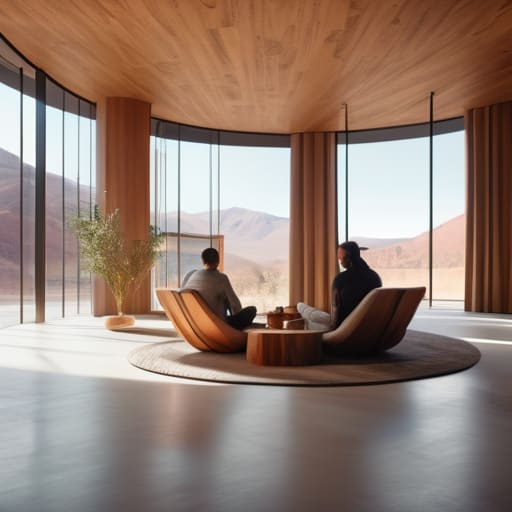
When you’re deciding where your group should live, the temptation is to go wherever the most people are currently congregating. But following the crowd is a quick way to end up with a loud, chaotic room where no one actually hears each other. Effective platform selection for online groups isn’t about maximizing raw numbers; it’s about finding a digital architecture that supports the specific type of intimacy you’re trying to cultivate. If you want deep, slow-burn discussions, a massive, fast-moving social feed is your enemy. You need a space that respects the pace of human thought, not one that rewards the loudest shout.
I’ve seen too many creators chase the high of a million followers only to realize they’ve built a stadium when they actually needed a living room. If the platform’s algorithm dictates who sees what, you aren’t actually building a community; you’re just renting space from a landlord who keeps changing the locks. Focus on tools that prioritize user retention in digital spaces by fostering meaningful, predictable interactions. Whether it’s a dedicated forum, a private messaging layer, or a niche platform, choose the one that allows your members to feel seen, rather than just indexed.
Five Ways to Keep the Soul in Your Digital Spaces
- Prioritize depth over reach. It’s easy to chase vanity metrics like follower counts, but a thousand bots or passive lurkers won’t help you. Aim for fifty people who actually show up, argue constructively, and support one another.
- Set boundaries that protect the vibe. Every community needs a “constitution”—not a legal document, but a clear sense of how we treat each other. If you don’t actively moderate against toxicity, the loudest, most aggressive voices will drown out the thoughtful ones.
- Build in “analog” moments. Even in a digital space, we need rituals that feel tactile and real. Whether it’s a monthly live video call or a prompt that asks people to share a photo of their actual workspace, give them something to anchor to outside the screen.
- Resist the urge to automate everything. I know, the temptation to use AI bots for every greeting and welcome message is massive. But nothing kills a sense of belonging faster than feeling like you’re talking to a script. Be present, be messy, and be human.
- Value the quiet contributors. In every group, there are the loud voices and the silent observers. Don’t just reward the people who post every hour; find ways to pull in the thinkers who take their time. Real community happens in the nuance, not just the noise.
The Human Bottom Line

Stop chasing engagement metrics and start chasing meaningful interactions; a group of ten people who actually talk to each other is worth more than a thousand silent followers.
Choose your tools based on the friction they create, not the features they boast—if an app makes it harder to be a person, it’s the wrong platform for your community.
Build systems that allow for organic connection rather than forced participation, because real community happens in the gaps between the scheduled posts and the automated notifications.
The Metric That Actually Matters
We keep obsessing over engagement rates and algorithm-friendly metrics, but a community isn’t a data set to be optimized; it’s a living room. If people aren’t feeling safe enough to be vulnerable and real, you haven’t built a community—you’ve just built a louder digital waiting room.
Yvette Marchetti
The Human Bottom Line
At the end of the day, building a digital community isn’t about mastering the latest algorithm or chasing engagement metrics that feel more like a high score in a video game than actual human interaction. We’ve talked about choosing the right platforms and protecting the soul of your group, but the core takeaway is this: tools are just tools. If you find yourself spending more time managing software than actually listening to your members, you’ve lost the plot. True community building requires us to prioritize intentionality over automation and depth over sheer volume. Don’t let the pursuit of “growth” turn your vibrant space into a hollow, algorithmic echo chamber.
As we move further into this era of rapid digital shifts, I want to challenge you to look past the hype. When you sit down to nurture your group, ask yourself if you are creating a space that actually grants people more freedom or just adds another layer of digital noise to their already crowded lives. We have the power to design digital spaces that feel like a warm living room rather than a sterile boardroom. Let’s commit to building something that serves the person behind the screen, ensuring that as our technology evolves, our sense of belonging stays firmly rooted in something real.
Frequently Asked Questions
How do I stop my community from feeling like a high-pressure networking event and actually make it feel like a space where people want to hang out?
Stop treating your community like a LinkedIn feed. If every interaction feels like a pitch or a “value-add” moment, people will burn out. You have to bake in “unproductive” time. Create spaces for low-stakes chatter, shared hobbies, or just venting about the week. When you prioritize the person over the professional outcome, you move from a transactional network to a genuine digital living room. Let people breathe, and they’ll actually stick around.
When does "engagement" stop being meaningful connection and start becoming just another metric I'm chasing to justify the platform's cost?
It stops being meaningful the moment you start looking at a dashboard instead of a person. If you’re checking “active users” or “click-through rates” to decide if a conversation was successful, you’ve already lost the plot. Real connection is messy, slow, and doesn’t always show up in a spreadsheet. When the metric becomes the goal, you aren’t building a community anymore; you’re just managing a digital zoo. Don’t mistake noise for impact.
How can I maintain a sense of real human intimacy when the algorithms of these platforms are constantly trying to push us toward shallow, viral content?
Stop chasing the dopamine hit of a viral post. Algorithms prioritize outrage and brevity because they’re designed to keep eyes glued to the screen, not hearts connected to people. To fight back, prioritize depth over reach. Instead of broadcasting to a crowd, create spaces for nuance—long-form discussions, small breakout groups, or even moving the real heavy lifting to a private thread. If it feels too polished or too fast, it’s probably just noise.
